- Language
- Brazil, the largest country in South America, is predominantly Portuguese-speaking, making it the only Portuguese-speaking nation in the Americas. This unique linguistic identity stems from its colonial history under Portugal. Portuguese in Brazil has evolved over centuries, incorporating indigenous, African, and other European linguistic elements, giving it distinct dialects and accents across the country. While Portuguese is the lingua franca, Brazil's linguistic landscape is diverse, with numerous indigenous languages still spoken by native communities, especially in remote areas like the Amazon. The acceptance and understanding of English and other major languages such as Spanish and French are more common in urban centers and among the younger, educated population, largely due to globalization and the country's growing role in international business, tourism, and academic exchanges. English is widely taught in schools as a second language and is essential in the professional and tourism sectors. Spanish, given Brazil's location surrounded by Spanish-speaking countries, is also relatively well understood. However, for the everyday traveler or business person, navigating Brazil with just English or another major global language can present challenges, making a basic grasp of Portuguese invaluable for deeper cultural immersion and smoother interactions.
- Best time to visit
- The best time to visit Brazil largely depends on the region you plan to explore, given its vast size and diverse climate zones. However, a generally favorable period is during the Brazilian spring and early summer (September to December) when the weather is pleasant, and the natural beauty is at its peak, especially in the Amazon and Pantanal regions. This period also avoids the heavy tourist influx of Carnival season (usually late February or early March) and the high temperatures of the peak summer months (December to February). For those looking to enjoy Brazil's famous beaches, late spring to early summer offers sunny days with less humidity. Meanwhile, the cooler months (June to September) are ideal for visiting the south of Brazil, including cities like São Paulo and Rio de Janeiro, where the weather is milder. Always consider local events and regional climate variations when planning your trip.
- Festivals
- Date: FebruaryFestival name: CarnivalCarnival is the most famous and anticipated festival in Brazil, celebrated with unparalleled enthusiasm, especially in Rio de Janeiro, Salvador, Recife, and Olinda. It's a lavish affair with spectacular parades, featuring samba dancers in extravagant costumes, elaborate floats, and pulsating music. The streets fill with music, dance, and parties, offering an immersive experience into Brazilian culture and joyous spirit. Travelers can enjoy samba school parades in the Sambadrome, street parties (blocos), and the electric atmosphere that pervades the country.
- Date: JuneFestival name: Festa JuninaFesta Junina, or the June Festival, is a traditional event honoring Saint Anthony, Saint John the Baptist, and Saint Peter. It features colorful costumes, quadrilha dances (a form of square dance), and outdoor fairs. Rural life is celebrated with decorations mimicking farm scenes, and attendees enjoy a variety of local foods like corn-based dishes, cakes, and mulled wine. The festival is particularly vibrant in the Northeastern regions but is celebrated across the country, providing travelers with a taste of Brazil's rich cultural diversity and community spirit.
- Local cuisine
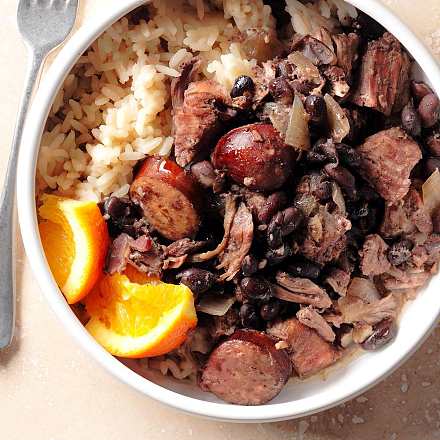
- Feijoada
- Feijoada is Brazil's hearty national dish, a rich stew of black beans and a variety of salted pork or beef parts, served with rice, collard greens, orange slices, and farofa (toasted cassava flour).
- Moqueca
- Moqueca is a fragrant Brazilian seafood stew, simmering fish or shrimp with tomatoes, onions, garlic, and coriander in dendê (palm oil) and coconut milk.
- Coxinha
- Coxinha is a beloved Brazilian snack, consisting of shredded chicken meat enveloped in dough, shaped like a drumstick, then breaded and deep-fried.
- Caipirinha
- Caipirinha, Brazil's national cocktail, mixes cachaça (a sugarcane hard liquor), sugar, and lime, offering a refreshing and potent taste of Brazilian spirit.
- Pão de Queijo
- Pão de queijo is a popular Brazilian cheese bread, small, round, and soft, made from cassava flour and Minas cheese.
- Packing
When packing for a trip to Brazil, it's essential to consider the country's diverse climates and activities. Lightweight, breathable clothing is ideal for the tropical weather, while comfortable shoes are a must for exploring cities and natural attractions. Don't forget to pack swimwear for enjoying Brazil's stunning beaches and sun protection such as hats, sunglasses, and sunscreen. Insect repellent is also essential, especially in regions with a higher risk of mosquito-borne diseases like Zika. For exploring the Amazon Rainforest, lightweight, long-sleeved clothing, sturdy shoes, and a rain jacket are necessary. Lastly, a travel adapter and a portable charger are handy for staying connected and charged up throughout your adventures in Brazil.
- Currency
The currency used in Brazil is the Brazilian Real (BRL), symbolized as R$. It comes in both coin and banknote forms. Coins are available in denominations of 5, 10, 25, 50 centavos, and 1 real, while banknotes come in denominations of 2, 5, 10, 20, 50, 100, and 200 reais. ATMs are widely available across the country, especially in urban areas and at banks, shopping centers, and airports. They usually offer language options for international travelers. However, it's important to inform your bank of your travel plans to avoid your transactions being flagged as suspicious. Credit and debit cards are commonly accepted in Brazil, particularly Visa and MasterCard, in hotels, restaurants, and shops, but it's always wise to have some cash on hand for smaller establishments or in more remote areas. Be mindful of ATM withdrawal limits and potential foreign transaction fees imposed by your bank or card issuer.
- Transport
Brazil boasts an extensive transportation network catering to both international visitors and domestic travel. Major international gateways include São Paulo-Guarulhos (GRU), Rio de Janeiro-Galeão (GIG), and Brasília International Airport (BSB), connecting Brazil with major cities worldwide. Within the country, air travel is a popular option for covering large distances quickly, with domestic airlines like LATAM, Gol, and Azul serving a wide range of destinations. For shorter distances or more scenic routes, Brazil offers a comprehensive bus system that is both affordable and reliable, connecting all major cities and many rural areas. Although trains are not a prevalent mode of transportation, there are a few scenic railway journeys available for tourists. In urban areas, metros and buses are efficient ways to navigate cities, particularly in São Paulo and Rio de Janeiro, which have extensive public transit systems. Renting a car can offer flexibility for exploring more remote areas, but be prepared for Brazil's driving conditions and traffic norms. When using taxis or ride-sharing apps like Uber, ensure the fare or route is clear before starting your journey. For navigating Brazil's diverse transportation options, it's advisable to plan ahead, be mindful of local advice, and always prioritize safety, especially in busy or unfamiliar areas.
- Emergency
Travelers to Brazil should be mindful of certain cultural taboos to ensure a respectful and enjoyable visit. One significant taboo is the use of the "OK" hand gesture, which can be considered offensive in Brazil, unlike its positive meaning in many Western countries. Additionally, discussions about politics, religion, and personal income should be approached with sensitivity or avoided in casual conversation, as these topics can be contentious. It's also wise to avoid making critical comments about Brazil or comparing it negatively to other countries, as this can be perceived as disrespectful to Brazilian national pride. In case of an emergency, travelers can dial the universal emergency number 190 for police assistance. For medical emergencies, the number is 192 for ambulances, and for fire emergencies, it's 193. These numbers can be dialed from any phone, and it's crucial to have them handy during your stay in Brazil.
- Power socket
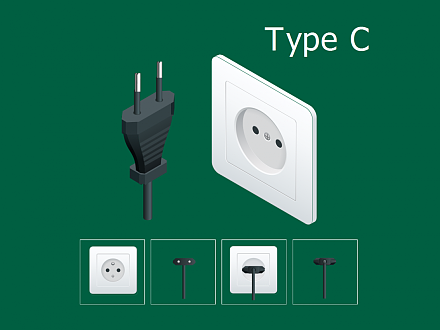
In Brazil, the standard voltage is 127/220V, with a frequency of 60Hz, although this can vary regionally between 110V and 220V. Therefore, travelers should verify the voltage specifics of their destination within Brazil before arrival. The country utilizes two types of power sockets, Type N (three-pin) and Type C (two-pin), the former being the most common.