Celebrating The Gambia's independence from Britain in 1965, this national holiday features military parades, cultural performances, and community events. Travelers can enjoy patriotic celebrations, music, dance, and fireworks, particularly in the capital, Banjul.
Planning a trip to Gambia?
Share your travel plans and get free itineraries and quotes from multiple trusted local operators.
10k+ travelers have submitted inquiries
Gambia - Travel Guide
4.0Must-see attractions, popular activities, and featured local operators
The Gambia, often referred to as the "Smiling Coast of Africa," offers a unique travel experience with its rich cultural heritage, stunning landscapes, and vibrant communities. Visitors can explore the capital city, Banjul, with its bustling markets and historical sites like the Arch 22. The country’s diverse ecosystems are showcased in the breathtaking landscapes of the River Gambia National Park and the scenic beaches of Kololi and Kotu. Cultural experiences abound, from traditional music and dance to the warm hospitality of the Gambian people. Travelers can also indulge in local cuisine, featuring dishes like domoda (peanut stew) and benechin (rice and fish). With its blend of wildlife, history, and culture, The Gambia promises an unforgettable adventure for all who visit.
Attractions
28 main attractions
View on mapLanguage
Gambia is a vibrant tapestry of languages, with over a dozen indigenous languages spoken across the country. The most widely spoken native language is Wolof, followed by Mandinka and Fula, reflecting the diverse ethnic groups that inhabit the region. English, as the official language, holds a prominent place in government, education, and business, making it accessible for international visitors. In addition to English, French is also recognized due to Gambia's geographical proximity to French-speaking countries.
Best Time to Visit
The best time to visit The Gambia is during the dry season, which runs from November to May. This period offers pleasant temperatures and minimal rainfall, making it ideal for exploring the country's stunning beaches, wildlife reserves, and vibrant culture. The peak tourist months are December to February, when the weather is particularly comfortable and a variety of festivals and events take place. However, visiting during the shoulder months of November and May can also provide a more tranquil experience, with fewer crowds and lower accommodation rates.
Festivals
A traditional festival celebrating the culture and heritage of The Gambia, particularly the Serer ethnic group. Visitors can experience vibrant performances, dances, and exhibitions showcasing the rich history and traditions of the Serer people.
This annual jazz festival attracts international and local artists, offering performances in various genres of jazz music. Travelers can enjoy open-air concerts and events in Banjul and other cities, experiencing The Gambia's growing arts and music scene.
Celebrating the Mandinka culture, this festival features traditional music, dances, and the ceremonial appearance of the Kankurang, a masked figure that is part of the initiation rites. Travelers can witness exciting cultural performances and explore the deep-rooted traditions of the Mandinka people.
Cuisine

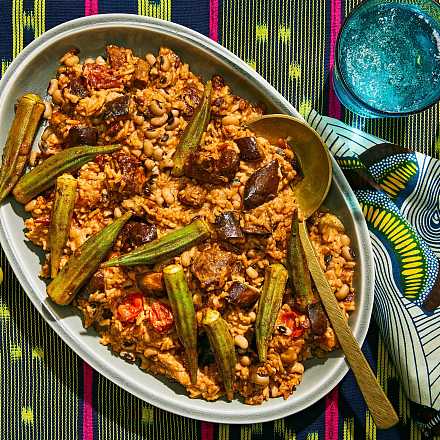
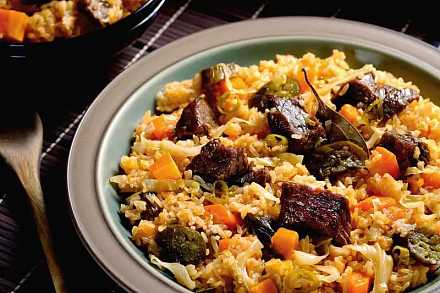
Benachin
A popular one-pot rice dish, often referred to as "Jollof rice," made with rice, tomatoes, onions, and a variety of spices, typically served with fish, chicken, or beef.

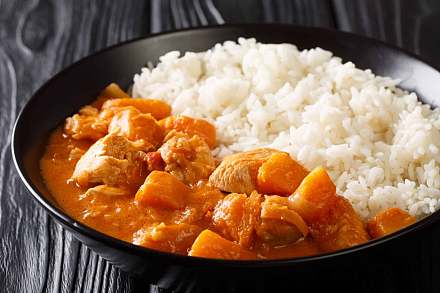
Domoda
A rich, peanut-based stew made with ground peanuts, vegetables, and meat (commonly chicken or beef), served over rice, offering a hearty and flavorful meal.

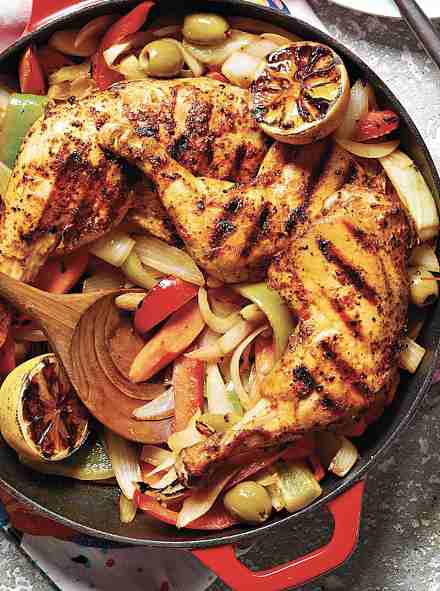
Yassa
A flavorful dish consisting of marinated and grilled chicken or fish, cooked in a sauce made from onions, mustard, and lemon, served with rice or couscous.

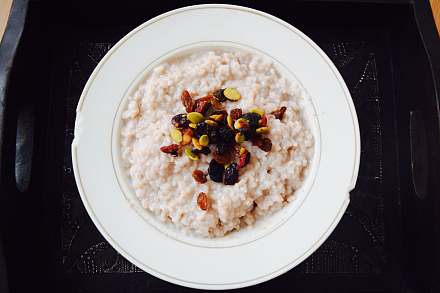
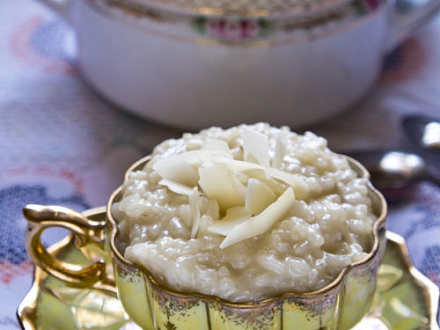
Chura
A traditional dish made from millet or rice, cooked with sugar and milk, often served as a breakfast or dessert, offering a sweet and creamy texture.

Mbahal
A type of meat or fish stew, made with a combination of tomatoes, onions, and spices, often served with rice or couscous, providing a savory and satisfying meal.

Sombi
A sweet drink made from millet or rice, fermented and flavored with sugar and spices, commonly served as a refreshing beverage.

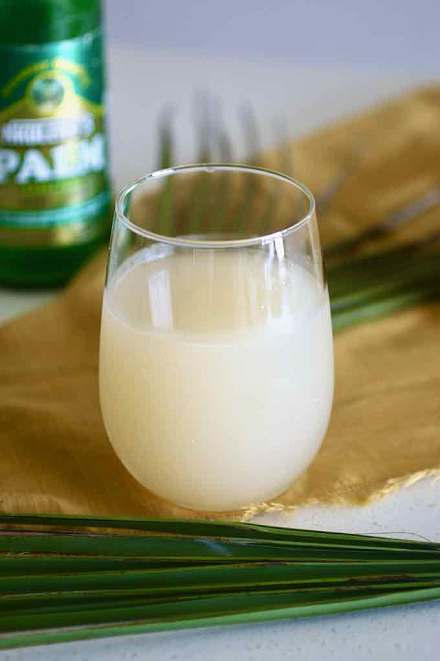
Palm Wine
A traditional alcoholic drink made from the sap of palm trees, offering a sweet, slightly fermented taste, and often consumed during social gatherings or ceremonies.

Ginger Beer
A spicy and sweet homemade beverage made with ginger, sugar, and water, typically served cold and known for its refreshing and tangy flavor.
Packing
When packing for a trip to The Gambia, prioritize lightweight, breathable clothing suitable for warm, humid weather. Opt for loose-fitting cotton or linen garments to stay comfortable during the day. Don't forget a wide-brimmed hat and sunglasses for sun protection. Sturdy sandals or walking shoes are essential for exploring both urban areas and nature. Include a light rain jacket, especially if traveling during the rainy season (June to October). Insect repellent is crucial to ward off mosquitoes, and a basic first-aid kit can be handy. Lastly, remember to pack sunscreen and a reusable water bottle to stay hydrated while enjoying the stunning landscapes and vibrant culture.
Currency
The official currency of The Gambia is the Gambian dalasi (GMD), which is subdivided into 100 bututs. Banknotes are available in denominations of 5, 10, 20, 50, 100, and 200 dalasi, while coins come in 1, 5, 10, 25, 50 bututs, and 1 dalasi. ATMs are widely available in urban areas, particularly in Banjul and Serrekunda, allowing for easy cash withdrawals, though fees may apply. While some hotels, restaurants, and shops accept major credit cards like Visa and Mastercard, it's advisable to carry cash for smaller establishments and rural areas where card acceptance may be limited. Always check for the latest exchange rates and keep some local currency on hand for convenience.
Transport
Gambia is served by Banjul International Airport (BJL), the main gateway for international travelers, located about 25 kilometers from the capital, Banjul. Once in the country, visitors can explore various transportation options, including private taxis, shared "sept-place" (a type of minibus), and local buses that connect major towns and cities. For a more intimate experience, consider renting a bike or hiring a local guide for day trips. While taxis are readily available, it's wise to negotiate fares beforehand. Additionally, be prepared for some road conditions to be less than ideal, so plan your travel times accordingly.
Emergency
One significant taboo is discussing religion or politics openly, as these topics can be sensitive and lead to uncomfortable situations. Additionally, public displays of affection are generally frowned upon, especially in rural areas. Dress modestly, particularly in villages, to show respect for local traditions. In case of emergencies, travelers should dial 999 for police assistance, while medical emergencies can be addressed by contacting local hospitals or clinics directly.
Power Sockets
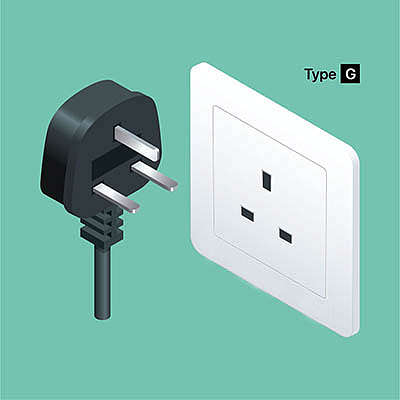
In Gambia, the standard voltage is 230V with a frequency of 50Hz. The country primarily uses Type G power sockets, which feature three rectangular prongs arranged in a triangular pattern.

Tours
View all toursNo featured routes yet
Route recommendations for this destination are coming soon.