- Language
- Indonesia is predominantly a Bahasa Indonesia-speaking nation, a language that acts as the unifying tongue amidst the country's vast array of ethnic groups and their languages. Bahasa Indonesia itself is a variant of Malay, which has been adapted and enriched by the various local languages and dialects across the archipelago. While the country is home to over 700 local languages, Bahasa Indonesia serves as the lingua franca, enabling communication and integration among the diverse populations. Regarding the acceptance and use of English, it is widely understood and spoken in major cities, tourist areas, and among the younger population, thanks to its inclusion in the educational curriculum and the influence of global media. Besides English, other major languages such as Mandarin, Arabic, and Dutch are known to some extent, primarily due to historical ties and economic connections. However, English remains the primary foreign language used for international communication and tourism.
- Best time to visit
- The best time to visit Indonesia is during the dry season, which runs from May to September. During these months, the weather is predominantly sunny and dry, offering ideal conditions for exploring the archipelago's breathtaking beaches, diving into its vibrant marine life, and hiking through its lush landscapes and volcanic terrains. This period is perfect for both adventure seekers and those looking to relax in the tropical climate. However, it's important to note that while these months see less rainfall, they are also the peak tourist season, so planning ahead and booking accommodations early is advisable. For those looking to avoid the crowds, the shoulder months of April and October can offer a good balance of pleasant weather and fewer tourists.
- Festivals
- Date: MarchFestival name: NyepiNyepi is the Balinese Hindu New Year, marked by a day of silence, fasting, and meditation. The island of Bali shuts down for 24 hours; streets are deserted, lights are off, and no work or travel is allowed. The day before Nyepi, travelers can witness colorful processions, traditional performances, and the Ogoh-Ogoh parade, where giant demonic effigies are carried through the streets and then burned to purify the environment.

- Date: MayFestival name: WaisakcCelebrated at Borobudur, the world's largest Buddhist temple, Waisak commemorates the birth, enlightenment, and death of Buddha. The festival is a spiritual experience, featuring prayers, meditation, and a spectacular lantern release at night, where thousands of lanterns are lit and sent floating into the sky, creating a mesmerizing sight.
- Local cuisine
- Nasi Goreng
- Often hailed as Indonesia's national dish, Nasi Goreng is a flavorful fried rice typically seasoned with sweet soy sauce (kecap manis), garlic, shallots, and chili, garnished with items like egg, prawns, or chicken. It's a staple dish that represents the Indonesian knack for transforming simple ingredients into a rich, satisfying meal.
- Rendang
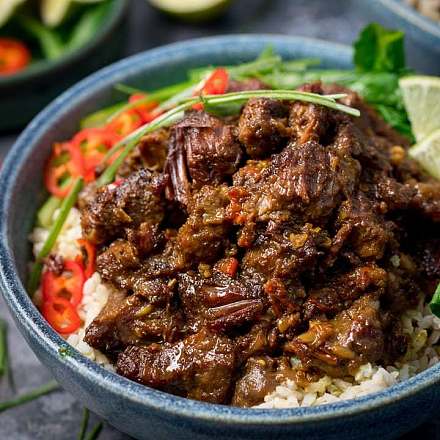
- Originating from the Minangkabau ethnic group of West Sumatra, Rendang is a slow-cooked dry curry deeply spiced with galangal, lemongrass, garlic, and chilies. Traditionally prepared for ceremonial occasions, Rendang symbolizes the Minangkabau's cultural heritage and communal spirit.
- Sate
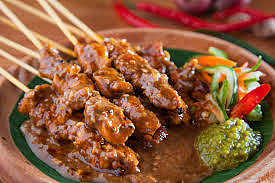
- Sate, skewered and grilled meat served with various sauces, is a popular street food found across Indonesia. The meat, which can be chicken, goat, beef, or pork, is marinated with a mixture of spices before being grilled. Each region has its own unique version, showing the diversity of Indonesian culinary practices.
- Gado-Gado
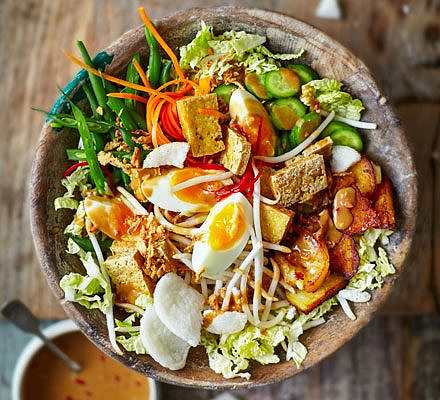
- A delightful Indonesian salad, Gado-Gado combines boiled vegetables, hard-boiled eggs, fried tofu, and tempeh, drenched in a rich peanut sauce. It's a testament to Indonesia's ability to create a harmonious dish from seemingly disparate ingredients, highlighting the nation's communal ethos.
- Bakso
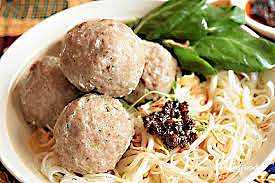
- A beloved Indonesian meatball soup, Bakso consists of beef meatballs, noodles, and sometimes tofu or boiled eggs, in a savory broth. Often sold by street vendors, Bakso is a comforting dish reflecting Indonesia's simple yet hearty culinary approach.
- Pempek
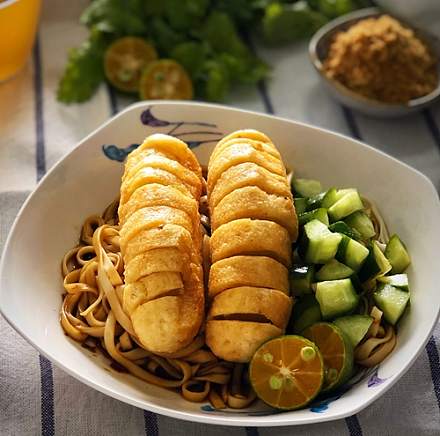
- Hailing from Palembang, South Sumatra, Pempek is a savory fishcake delicately made from fish and tapioca, served with a dark, rich sweet and sour sauce called cuko. This dish is a culinary representation of Palembang's riverine culture and its historic trade relationships.
- Babi Guling
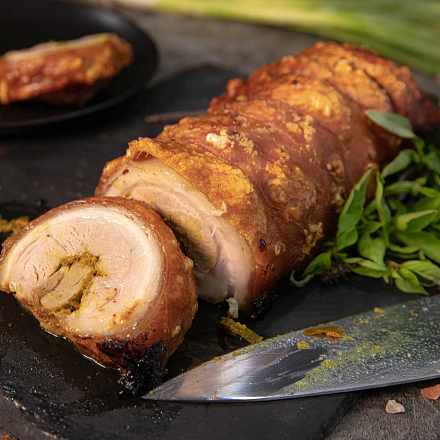
- A Balinese specialty, Babi Guling is a whole pig roasted with an intricate blend of turmeric and other spices. This festive dish is a cultural celebration, showcasing Bali's Hindu traditions and communal feasting practices.
- Es Cendol
- A popular dessert beverage, Es Cendol is made from green rice flour jelly, coconut milk, and palm sugar syrup, often served with additional toppings like red beans or glutinous rice. It's a refreshing treat that offers respite from the tropical heat, reflecting Indonesia's rich bounty of natural ingredients.
- Packing
When visiting Indonesia, packing smart is key due to its tropical climate and diverse activities. Start with lightweight, breathable clothing—think cotton or linen—to stay comfortable in the humidity. Include a mix of casual wear and conservative outfits for temple visits or cultural sites. A light rain jacket or a compact umbrella is essential, especially if you're traveling during the wet season. Don’t forget swimwear and reef-safe sunscreen for beach days. Comfortable walking shoes are a must for exploring, alongside flip-flops for beachside or casual wear. For highland areas, pack a sweater or light jacket, as evenings can be cool. Lastly, include a hat, sunglasses, and insect repellent to protect against the sun and mosquitoes. Adapting your packing list based on the specific regions you plan to visit and the activities you intend to undertake will enhance your experience in Indonesia.
- Currency
The currency used in Indonesia is the Indonesian Rupiah (IDR), symbolized as Rp. Denominations include coins ranging from 100 to 1,000 rupiahs and banknotes from 1,000 to 100,000 rupiahs. ATMs are widely available in cities and tourist areas, allowing for easy withdrawal of local currency using international debit or credit cards. Credit cards, particularly Visa and MasterCard, are accepted in many hotels, restaurants, and shops in urban and tourist destinations, though smaller establishments and rural areas may require cash. For the best exchange rates, it's advisable to exchange currency at reputable banks or authorized money changers upon arrival in Indonesia, avoiding airport and hotel exchanges where rates can be less favorable. Always ensure to have small denominations on hand for everyday purchases and be wary of counterfeit bills.
- Transport
Indonesia's transportation network caters to travelers with a variety of options, connecting its vast archipelago of over 17,000 islands. Major international gateways include Soekarno-Hatta International Airport in Jakarta, Ngurah Rai International Airport in Bali, and Juanda International Airport in Surabaya, serving as primary entry points for foreign visitors. Once in-country, domestic flights are a quick way to hop between islands, with airlines like Garuda Indonesia, Lion Air, and AirAsia operating extensive routes. For closer destinations or within islands, buses, trains (notably on Java and Sumatra), and ferries offer reliable services. In urban areas, app-based ride-hailing services like Gojek and Grab, along with traditional taxis, provide convenient city transportation. When navigating Indonesia, planning is key due to the geographical spread and diversity of transport options. It's advisable to book long-haul transport in advance, carry local currency for public transport costs, and always confirm the reliability and safety of any transportation method before travel.
- Emergency
Travelers to Indonesia should be mindful of cultural taboos to ensure respectful interactions. It's important to avoid using the left hand for eating or passing items, as it's considered impure. Physical contact, especially between men and women, should be minimized in public. Pointing with one's finger is rude; instead, use the thumb with a closed fist. Dress modestly, particularly when visiting religious sites, to show respect for local customs. It's also crucial to remember the national emergency number in Indonesia, which is 112. This number can be dialed from any phone for immediate assistance in urgent situations. Being aware of these cultural nuances and having the emergency number handy can significantly enhance the travel experience in Indonesia.
- Power socket
Travelers heading to Indonesia should be prepared for the country's specific power socket and voltage requirements. In Indonesia, the standard voltage is 230V with a frequency of 50Hz. The power sockets used are of type C and type F, which are the two-pronged round sockets commonly found in many European countries.