- Language
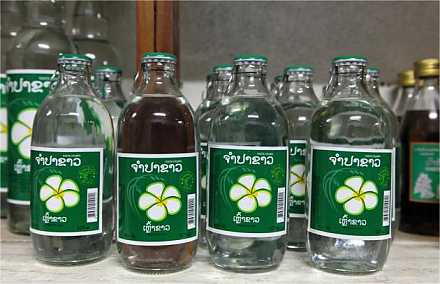
- Laos's linguistic landscape is predominantly characterized by Lao, the official language, serving as the lingua franca among the diverse ethnic groups within the country. Lao, a Tai-Kadai language, shares similarities with Thai and is written in its own script. While Lao is the heart of communication in most spheres of Laotian life, several ethnic languages and dialects enrich the country's cultural tapestry. English, gradually gaining ground, especially among the younger population and in tourist areas, is increasingly recognized as a vital tool for international communication and education. In urban centers and key tourist destinations, English proficiency is more common, facilitating easier interaction for travelers. Other major languages, such as French, also hold a presence due to Laos's colonial history, with French still being taught in some schools and used in government and tourism sectors. However, outside major cities and tourist spots, the prevalence of English and other foreign languages diminishes, underscoring the importance of Lao for deeper explorations into the country.
- Best time to visit
- The best time to visit Laos is during the dry season, from November to April, when the weather is warm and rain is minimal, making it ideal for exploring the country's stunning landscapes, vibrant cities, and numerous festivals. This period includes the cool months of November to February, offering comfortable temperatures for outdoor activities and sightseeing. March and April, while hotter, are perfect for experiencing the colorful Lao New Year celebrations. Traveling during this season allows visitors to fully enjoy Laos's rich cultural heritage, natural beauty, and outdoor adventures under the most favorable weather conditions.
- Festivals
- Date: AprilFestival name: Pi Mai LaoMarking the Lao New Year, this festival is the most significant and widely celebrated event in Laos. The streets come alive with parades, music, and traditional games. A highlight is the water throwing, which symbolizes washing away the sins and bad luck of the previous year. Travelers can immerse themselves in the joyous atmosphere, participate in the water fights, and enjoy the beauty of sand stupas decorated along the Mekong River.
- Date: MayFestival name: Boun Bang FaiThe Rocket Festival is a pre-rainy season celebration to encourage the heavens to provide ample rain for the rice planting season. Villages compete by launching homemade bamboo rockets into the sky. The event is filled with music, dance, and traditional costumes, providing a lively and colorful experience for visitors, who can witness the communal spirit and the spectacular sight of rockets soaring into the sky.
- Local cuisine
- Laap
- A fragrant salad made with minced meat (such as chicken, pork, or beef), seasoned with lime juice, fish sauce, chili, and toasted ground rice, Laap is celebrated as the national dish of Laos, embodying the harmony of fresh herbs and robust flavors in Laotian cuisine.
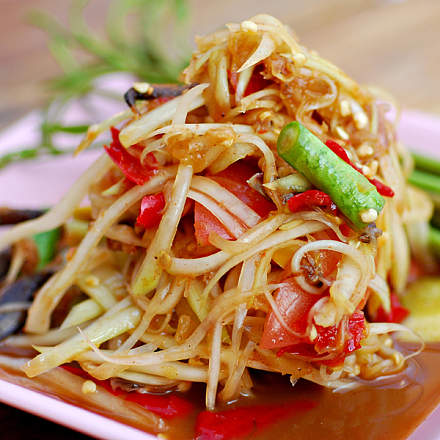
- Tam Mak Hoong
- Prepared with shredded green papaya, tomatoes, green beans, chili, lime juice, fish sauce, and peanuts, this dish is a staple at Laotian gatherings, showcasing the balance of sweet, sour, spicy, and umami flavors central to the country's culinary philosophy.
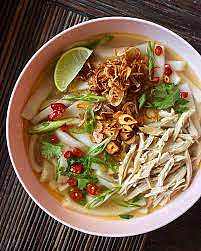
- Khao Piak Sen
- A comforting bowl of handmade rice noodles in a rich, aromatic chicken broth, seasoned with garlic, scallions, and cilantro, Khao Piak Sen is a testament to the simplicity and depth of Laotian home cooking.
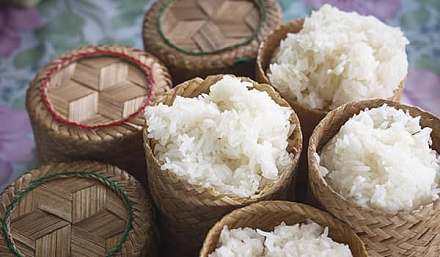
- Khao Niew
- As the staple food of Laos, sticky rice is steamed and served in small baskets, eaten by hand, and symbolizes the communal nature of Laotian meals, acting as the perfect accompaniment to nearly every dish.
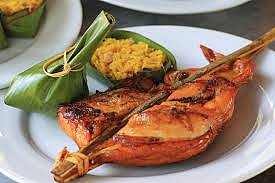
- Ping Kai
- Marinated in a mixture of lemongrass, garlic, and fish sauce, then grilled over an open flame, Ping Kai is a beloved street food in Laos, reflecting the country's love for grilled meats and communal eating experiences.
- Lao-Lao
- A traditional homemade rice whiskey, Lao-Lao is a potent spirit that plays a vital role in Laotian ceremonies and social gatherings, symbolizing hospitality and community bonds.
- Beerlao
- The national beer of Laos, Beerlao is brewed with indigenous jasmine rice and German hops, offering a crisp, refreshing taste that pairs excellently with the country's spicy cuisine and embodies the fusion of local and international influences.
- Lao Coffee
- Grown in the Bolaven Plateau, Lao coffee is robust and flavorful, typically served strong and sweet with condensed milk, reflecting Laos's burgeoning coffee culture and the importance of coffee production to the local economy.
- Packing
When visiting Laos, packing should be tailored to the season and activities planned. For the dry and cooler months (November to February), bring lightweight clothing for the day and a jacket or sweater for cooler evenings. Comfortable walking shoes are a must for exploring temples and natural sites. During the hot season (March to May), opt for light, breathable fabrics, a wide-brimmed hat, sunglasses, and strong sunscreen to protect against the sun. In the wet season (June to October), include waterproof clothing, such as a light rain jacket or poncho, and consider quick-dry fabrics and sturdy, waterproof footwear to navigate rainy conditions. Regardless of the season, a reusable water bottle, insect repellent, and basic first aid kit are essential. Additionally, modest clothing is recommended for visiting religious sites, including long pants or skirts and tops that cover the shoulders.
- Currency
In Laos, the official currency is the Lao kip (LAK), with denominations ranging from 1,000 to 100,000 kip in banknotes. While ATMs are widely available in urban and tourist areas, dispensing primarily kip and occasionally US dollars, their presence dwindles in remote locations, making it essential to carry cash, preferably in smaller denominations for everyday transactions. Credit card acceptance is limited, mainly to upscale establishments in larger cities. For currency exchange, visitors can utilize banks, official exchange counters at airports, and major hotels, although rates may vary. It's advisable to exchange some currency to kip upon arrival for immediate needs, especially since local transactions predominantly rely on cash.
- Transport
Laos's transportation system offers a range of options for travelers, from air travel to road and river transport. Major international airports such as Wattay International Airport in Vientiane and Luang Prabang International Airport serve as primary gateways for foreign visitors, connecting Laos with regional hubs in Asia. For in-country travel, buses and minivans are widely used for long-distance journeys, offering an affordable way to explore the country, though road conditions can vary. In more remote areas, riverboats on the Mekong and its tributaries provide a scenic, albeit slower, alternative. Tuk-tuks and motorbike rentals are popular for short distances and city tours, offering flexibility and a local experience. To navigate Laos efficiently, plan ahead for longer journeys, be prepared for flexible travel schedules, and consider a mix of transportation modes to experience both the country's landscapes and its vibrant culture.
- Emergency
When traveling to Laos, it's important to be mindful of cultural taboos to respect local traditions and avoid offense. One significant taboo involves the head, which is considered the most sacred part of the body; thus, touching someone's head is highly disrespectful. Similarly, pointing your feet at people or religious objects is considered rude, as feet are seen as the lowest and dirtiest part of the body. Public displays of affection are frowned upon, and modest dress is expected, especially when visiting temples. It's also customary to remove your shoes before entering someone's home or a temple. Regarding emergency assistance, travelers in Laos can dial the general emergency number 191 for police, 195 for fire services, and 195 or 021-251-128 for medical emergencies. Keeping these cultural norms and emergency numbers in mind will help ensure a respectful and safe visit to Laos.
- Power socket
Laos operates on a 230V supply voltage and 50Hz. The country primarily uses two types of power sockets: Type A (two flat parallel pins) and Type C (two round pins), which is common in many European countries.