Compare Top Local Operators
100% Free

Planning a trip to Lesotho?

Share your travel plans and get free itineraries and quotes from multiple trusted local operators.

Itineraries tailored to your travel plans Compare quotes from multiple local operators Connect directly with trusted local operators
Get Free Quotes

10k+ travelers have submitted inquiries

Lesotho - Travel Guide

4.5

Must-see attractions, popular activities, and featured local operators

Southern Africa

Nestled within the heart of South Africa, Lesotho is a high-altitude, landlocked kingdom wrapped in breathtaking mountainous terrain, making it a paradise for adventurers and culture enthusiasts alike. Known as the "Kingdom in the Sky," Lesotho offers unique travel experiences, from exploring the rugged beauty of the Maloti Mountains on horseback to skiing or snowboarding at Afriski Mountain Resort, one of the only ski resorts in southern Africa. The country's cultural tapestry is vibrant, with traditional Basotho music, dance, and the iconic Basotho blanket visible in everyday life. Landmarks such as the Maletsunyane Falls, one of the highest single-drop waterfalls in Africa, and the ancient rock art at Ha Baroana, provide a glimpse into both the natural beauty and the rich history of this unique nation. Whether you're trekking through the Lesotho Highlands or experiencing the warmth of its people, Lesotho offers an unforgettable journey into a country where modern life and ancient traditions blend seamlessly.

Attractions

Language

Sesotho (also known as Southern Sotho), the national language, resonates deeply within the daily lives and cultural expressions of the Basotho people, serving as a unifying force and a vibrant medium for folklore, music, and traditional ceremonies. English, recognized as an official language alongside Sesotho, plays a crucial role in government, business, and education, reflecting Lesotho's colonial past and facilitating its engagement with the global community.

Best Time to Visit

The best time to visit Lesotho is during its warm summer months from October to April, when the weather is pleasant, with temperatures ranging between 15°C to 30°C (59°F to 86°F). This period is ideal for outdoor activities such as hiking, pony trekking, and bird watching, allowing visitors to fully enjoy Lesotho's stunning landscapes and rich cultural experiences. While Lesotho is renowned for its clear skies and sunny days, it's important to note that evenings can get chilly, especially in the highlands, so packing layers is advisable. Additionally, for those interested in experiencing Lesotho's winter wonderland, the months of June to August offer snowfall in the mountain regions, making it a perfect time for skiing and snowboarding at Afriski Mountain Resort.

Month
Weather Overview
January
The heart of Lesotho's summer, January experiences warm temperatures averaging between 15°C to 30°C. It's also the peak of the rainy season, with frequent afternoon thunderstorms. Humidity levels are relatively high during this time.
February
Similar to January, February remains warm and wet, with temperatures ranging from 15°C to 28°C. Rainfall starts to decrease slightly, but afternoon thunderstorms are still common.
March
The transition month towards autumn, March sees a gradual decrease in temperature (13°C to 25°C) and rainfall. The landscape remains lush, and the weather is generally pleasant, with lower humidity.
April
Marking the onset of autumn, April offers cooler temperatures (10°C to 20°C) and significantly less rainfall. The weather is mild and enjoyable, with crisp mornings and evenings.
May
Temperatures continue to drop in May (7°C to 17°C), signaling the approach of winter. Rainfall is minimal, and the air is dry. Nights can be particularly chilly.
June
The beginning of winter, June sees cold conditions with temperatures ranging from 3°C to 15°C. Precipitation is rare, but morning frost is common, especially in high-altitude areas.
July
July is the coldest month, with temperatures hovering between 0°C and 14°C. Snowfall is possible in the highlands. The air is very dry, and clear, sunny days are typical.
August
Still within the winter season, August experiences slight warming (2°C to 16°C). Snow can still occur in elevated regions. The weather remains dry and clear.
September
Spring starts to make its presence felt in September, with temperatures increasing to between 5°C and 20°C. Rainfall is still scarce, but the landscape begins to revive.
October
A noticeable shift towards warmer weather, October sees temperatures ranging from 8°C to 22°C. The rainy season starts to kick in, with occasional showers becoming more frequent.
November
A warmer month with temperatures between 10°C to 24°C, November marks the return of the rainy season in full swing. Thunderstorms in the afternoon are common, and the humidity starts to rise.
December
Kicking off the summer, December features warm temperatures (13°C to 26°C) and high humidity. Rainfall is abundant, with thunderstorms and occasional heavy showers.

Festivals

Month:3
Festival:Moshoeshoe Day

This day commemorates Lesotho's founder, King Moshoeshoe I, celebrating his leadership and the unity he brought to the nation. It's marked by cultural events, parades, and speeches across the country, particularly in the capital, Maseru.

Month:10
Festival:Independence Day

Lesotho celebrates its independence from Britain on this day in 1966. The festivities include military parades, cultural performances, and speeches by government officials, reflecting on the country's history and achievements.

Month:9
Festival:Morija Arts & Cultural Festival

Typically held in September or October, this festival is one of the most significant cultural events in Lesotho, taking place in the historic town of Morija. It showcases a wide array of Lesotho's arts, including music, dance, poetry, and crafts, drawing participants and spectators from across the country and beyond.

Month:9
Festival:Lesotho Sky Mountain Bike Race

Usually occurring in September, this is a week-long mountain biking event that attracts riders from around the world. The race covers various terrains across Lesotho's breathtaking landscapes, highlighting the country's natural beauty and challenging topography.

Month:5
Festival:Royal Agricultural Show

Held annually in May or June in Maseru, this event focuses on agriculture, one of Lesotho's key sectors. It features livestock shows, agricultural product exhibitions, and demonstrations of traditional farming techniques, celebrating the nation's farming heritage and innovations.

Cuisine

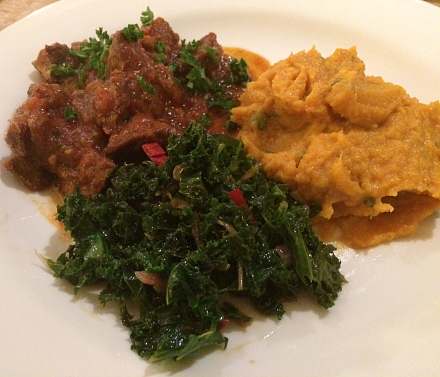
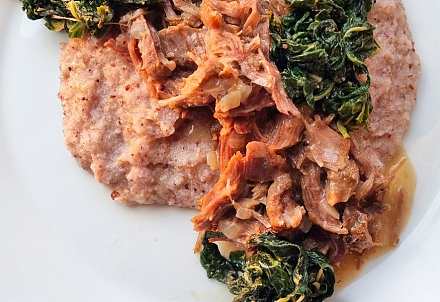
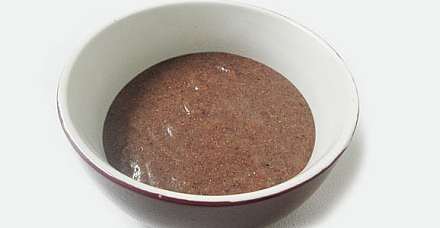
Papa

Papa

A staple food made from maize or sorghum flour, water, and salt, resulting in a smooth, porridge-like consistency. It's often served as a side dish with meat or vegetable stews.

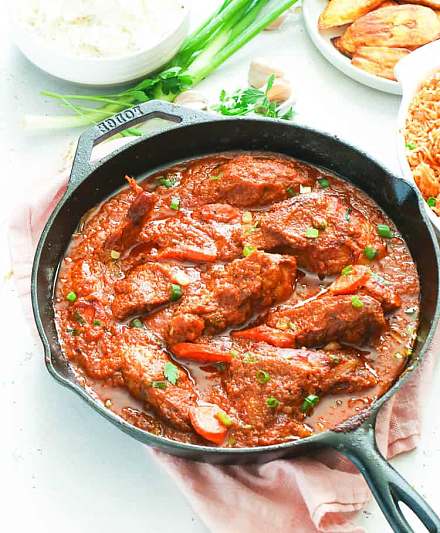
Sesotho Chicken Stew

Sesotho Chicken Stew

A comforting dish featuring chicken pieces slowly cooked with onions, garlic, tomatoes, and local spices, often thickened with a bit of maize meal for extra heartiness.

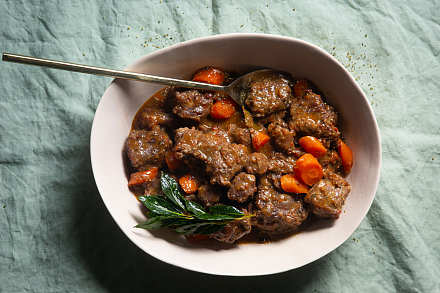
Oxtail Stew

Oxtail Stew

This rich stew is made by slow-cooking oxtail pieces with beans, vegetables, and spices until tender, offering a deep, meaty flavor that's perfect for cold nights.

Moroho

Moroho

A nutritious green vegetable similar to spinach, cooked with onions and tomatoes, and sometimes mixed with papa for a wholesome meal.

Ting

Ting

A fermented sorghum porridge with a tangy flavor, served as a refreshing breakfast or snack. It's made by mixing sorghum flour with water and allowing it to ferment for a few days.

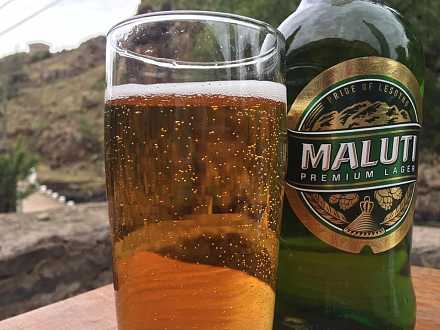
Maluti Beer

Maluti Beer

Named after the famous Maluti Mountains, this local beer is brewed using traditional methods and local barley, offering a unique taste that's deeply rooted in Lesotho's brewing heritage.

Motoho

Motoho

A traditional alcoholic beverage made from fermented sorghum, water, and yeast. It has a slightly sour taste and is a popular social drink in Lesotho.

Packing

When packing for a trip to Lesotho, especially during its warm season from October to April, prioritize versatile and layerable clothing due to the varying temperatures between day and night. Include lightweight shirts, comfortable pants, and a sturdy pair of hiking shoes to navigate the diverse terrains comfortably. Don't forget a warm jacket or sweater for the cooler evenings and early mornings. Sun protection is crucial, so pack sunglasses, a wide-brimmed hat, and sunscreen. For the adventurous who might explore Lesotho's natural beauty through activities like hiking or horseback riding, consider bringing a durable backpack, a water bottle, and perhaps binoculars for bird watching. Lastly, if you're visiting during the winter months (June to August) for activities like skiing at Afriski Mountain Resort, ensure to pack thermal wear, gloves, and a hat to stay warm.

Currency

Lesotho's official currency is the Lesotho Loti (LSL), which is pegged to the South African Rand (ZAR) and can be used interchangeably. The Loti comes in notes of 10, 20, 50, 100, and 200 LSL, and coins of 1, 2, 5 Maloti, and smaller values called lisente. ATMs are common in cities and major towns for easy cash withdrawals with international bank cards, but carrying some cash is wise, as ATMs may be rare in remote areas. While credit card acceptance is increasing in urban hotels, restaurants, and stores, it remains limited in rural regions. Visa and MasterCard are the most widely accepted. Travelers should carry multiple payment options and sufficient cash for small purchases and areas with limited card acceptance.

Transport

For international travelers, Moshoeshoe I International Airport, located near the capital, Maseru, serves as the primary gateway, providing flights to and from select destinations, mainly in Africa. Once in the country, visitors can navigate through a mix of transportation modes. Road travel is predominant, with minibuses and shared taxis being popular and economical choices for getting around cities and reaching remote areas. However, the mountainous regions may necessitate the use of 4x4 vehicles, which are available for rent in major cities. For a more local experience, pony trekking is not only a traditional means of transport but also an adventurous way to explore Lesotho's breathtaking landscapes. Visitors are advised to plan their routes in advance, especially when heading to isolated locations, and to always have local currency on hand for public transport fares, as digital payments may not be widely accepted outside major urban centers.

Emergency

One significant cultural aspect is the importance of dress code, wearing revealing clothing is generally frowned upon, especially in rural areas. Public displays of affection are also considered inappropriate. It's advisable to greet people with a handshake and wait for a local to initiate any further physical contact. In case of emergencies, travelers should dial the universal emergency number for Lesotho, which is 112. This number can be used to access medical, fire, and police assistance. Being aware of these cultural nuances and knowing the emergency number can greatly enhance the safety and quality of your visit to Lesotho.

Power Sockets

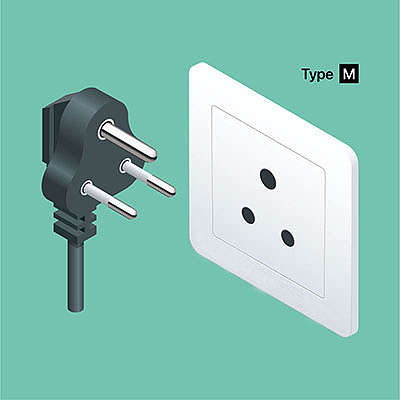
Lesotho utilizes Type M power sockets, characterized by their three round pins in a triangular pattern. Visitors should note that the standard voltage in Lesotho is 220-240V with a standard frequency of 50Hz.

Socket sample 1

Tours

View all tours

No featured routes yet

Route recommendations for this destination are coming soon.

Tour operators

View all operators