Compare Top Local Operators
100% Free

Planning a trip to Malawi?

Share your travel plans and get free itineraries and quotes from multiple trusted local operators.

Itineraries tailored to your travel plans Compare quotes from multiple local operators Connect directly with trusted local operators
Get Free Quotes

10k+ travelers have submitted inquiries

Malawi - Travel Guide

4.5

Must-see attractions, popular activities, and featured local operators

Southern Africa

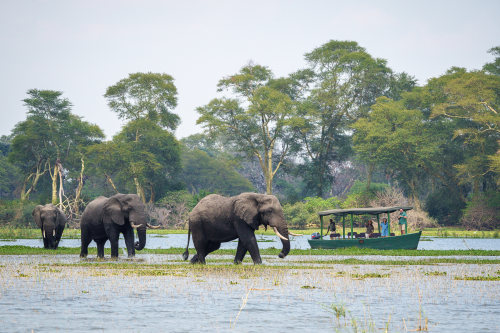
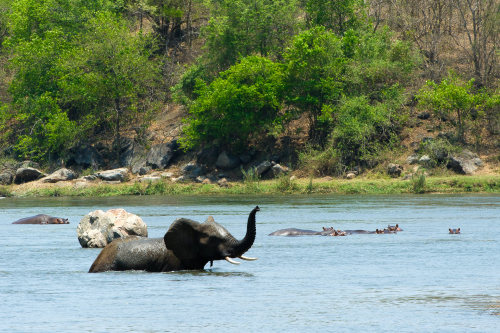
Malawi, affectionately known as "The Warm Heart of Africa," offers travelers an unparalleled blend of natural beauty, rich culture, and genuine hospitality. This landlocked gem is home to the majestic Lake Malawi, one of the world's largest freshwater lakes, known for its crystal-clear waters and vibrant aquatic life, making it a paradise for snorkeling, diving, and kayaking enthusiasts. Beyond the lake, Malawi's diverse landscapes range from lush mountains and forests in the north to the rolling hills and tea estates of the south. Wildlife enthusiasts are drawn to Liwonde National Park and Majete Wildlife Reserve, where the Big Five and other wildlife are making a remarkable comeback. Culturally, visitors can immerse themselves in the local life through village tours, traditional dances, and markets, showcasing Malawi's rich heritage and craftsmanship. Despite its modest size, Malawi's blend of natural wonders and welcoming communities offers a deeply enriching and authentic African experience.

Attractions

Language

Chichewa is the national language and the mother tongue of the majority, spoken widely across the country. In addition, English, as another official language, is extensively used in education, government, and business sectors, with most Malawians being fluent or at least understanding English. This offers a significant convenience for English-speaking travelers.

Best Time to Visit

The best time to visit Malawi is during its dry season, from May to October. This period offers sunny days and cooler temperatures, ideal for wildlife viewing, especially in July and August when animals gather around water sources. The landscape is also lush and green, particularly at the beginning of the dry season, providing stunning backdrops for photography. Additionally, this time is perfect for exploring Lake Malawi, as the water is calm and clear, offering excellent conditions for snorkeling and diving. While the dry season is the peak time for tourists, planning your visit during these months ensures a more comfortable and rewarding experience in exploring Malawi's natural beauty and cultural richness.

Month
Weather Overview
January
Characterized by hot temperatures and high humidity, January falls within the rainy season. Expect average temperatures around 26-30°C with frequent, heavy rainfall, especially in the northern regions.
February
Similar to January, February continues with hot, humid conditions and regular rainfall. Temperatures usually range from 25-30°C. This month sees one of the highest precipitation levels, particularly in the north and central parts of Angola.
March
March marks the end of the rainy season, with temperatures slightly starting to decrease but still remaining warm (24-29°C). Rainfall begins to lessen, especially towards the end of the month.
April
Transitioning into the dry season, April offers more comfortable weather with lower humidity levels. Temperatures average between 23-28°C, and the frequency of rain significantly drops.
May
The start of the dry season brings pleasant weather conditions, with average temperatures ranging from 20-25°C. May sees a sharp decrease in rainfall and humidity, making it an ideal time for outdoor activities.
June
Cool and dry, June features some of the most comfortable weather conditions of the year. Expect average temperatures around 18-23°C with minimal rainfall and low humidity levels.
July
July is the coolest month, with temperatures ranging from 16-21°C. It's characterized by dry conditions and clear skies, offering excellent visibility for sightseeing.
August
Similar to July, August maintains cool temperatures (17-22°C) and dry weather. This month marks the peak of the dry season, ideal for wildlife viewing and exploring natural landscapes.
September
As spring approaches, temperatures begin to rise slightly (19-24°C), yet the weather remains dry with low humidity, making it a pleasant month for travel.
October
Transitioning back into the rainy season, October sees an increase in temperatures (22-27°C) and the return of occasional showers, especially towards the end of the month.
November
Rainfall becomes more frequent in November, signaling the start of the wet season. Temperatures stay warm, ranging from 24-29°C, with increasing humidity levels.
December
December is characterized by hot, humid weather with regular rain showers. Temperatures often hover between 25-30°C, making it one of the warmest months.

Festivals

Month:9
Festival:Lake of Stars Festival

This internationally acclaimed music festival takes place on the shores of Lake Malawi, featuring a diverse lineup of local and international artists spanning various genres. Attendees can enjoy live music, DJ sets, cultural performances, and workshops against the backdrop of one of Africa's largest lakes.

Month:10
Festival:Blantyre Arts Festival

Held in Blantyre, Malawi's commercial capital, BAF celebrates Malawian arts and culture through music, dance, theater, and visual arts. It attracts performers and artists from across the country and beyond.

Month:7
Festival:Zomba City Festival

This festival highlights the cultural and historical heritage of Zomba, a former capital of Malawi. It includes traditional music, dance, food, and a showcase of local crafts and products.

Month:7
Festival:Mulanje Porters Race

This unique event is a race up Mount Mulanje, Malawi's highest mountain. It originated with the porters who carry goods up the mountain but now attracts international runners and tourists as well.

Cuisine

Nsima

Nsima

A staple food made from white maize flour (cornmeal) mixed with water, cooked to a thick, porridge-like consistency. Nsima is typically served with meat, fish, or vegetable relishes known as "ndiwo".

Chambo

Chambo

Chambo refers to a type of fish found in Lake Malawi, often grilled, fried, or cooked in a light, tomato-based curry. It's a national delicacy, celebrated for its tender flesh and served alongside nsima or rice.

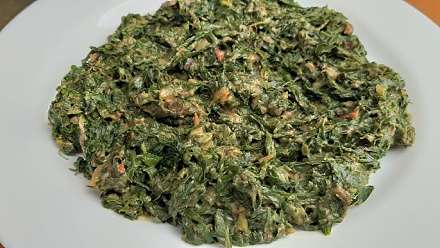
Nkhwani with Groundnut Flour

Nkhwani with Groundnut Flour

A nutritious dish made from pumpkin leaves (nkhwani) cooked until tender, then mixed with groundnut (peanut) flour, creating a creamy, spinach-like side dish often accompanied by nsima.

Kachumbari

Kachumbari

A fresh, spicy salad made with tomatoes, onions, chili peppers, and sometimes avocado. It's seasoned with salt, lemon juice, or vinegar, providing a refreshing contrast to richer dishes.

Masamba Saka

Masamba Saka

Cassava or mustard leaves cooked with onions, tomatoes, and sometimes groundnuts or coconut milk, creating a hearty, flavorful side dish that complements nsima well.

Mowa

Mowa

A homemade beer brewed from maize or sorghum, with a slightly sour taste. Mowa is a popular traditional drink enjoyed during celebrations and community gatherings.

Thobwa

Thobwa

A non-alcoholic, fermented beverage made from maize and millet, known for its sweet and sour flavor profile. Thobwa is enjoyed as a refreshing drink, often consumed to cool down on hot days.

Malawi Gin

Malawi Gin

Distilled in Malawi, this gin is enjoyed both locally and internationally. It's often served with tonic water and a slice of lemon or lime, showcasing a unique blend of botanicals.

Packing

When packing for a trip to Malawi, prioritize lightweight, breathable clothing to stay comfortable in its warm climate. Include a mix of long sleeves and pants to protect against mosquitoes, especially if you're visiting wildlife areas or during the evening. A sturdy pair of walking shoes is essential for exploring Malawi's diverse landscapes. Don't forget your swimwear for enjoying Lake Malawi's waters, alongside a high-SPF sunscreen and a wide-brimmed hat for sun protection. A high-quality camera and binoculars will enhance your wildlife viewing experience. Lastly, pack a basic first-aid kit, including any personal medication, and a reliable insect repellent to safeguard against malaria.

Currency

The official currency of Malawi is the Malawian Kwacha (abbreviated as MWK). The coins are available in denominations of 1, 2, 5, 10, 20, and 50 Kwacha, while the banknotes are available in denominations of 20, 50, 100, 200, 500, 1000, and 2000 Kwacha. ATMs are relatively common in large cities and tourist areas in Malawi, where they dispense Kwacha, but may be sparse in more remote areas. As for credit cards, major hotels, restaurants, and stores generally accept international credit cards such as Visa and MasterCard, but cash transactions are more common in smaller shops or markets. Therefore, it is advisable for travelers to carry a certain amount of cash, especially when visiting more remote areas.

Transport

Malawi's main gateway for international travelers is the Lilongwe International Airport (Kamuzu International Airport), situated near the capital, Lilongwe, with Blantyre's Chileka International Airport serving as another significant entry point. These airports connect Malawi to major cities in Africa and beyond. Within the country, transportation options vary from buses and minibuses, which are the most common and affordable means for long-distance travel, to car rentals for those seeking flexibility and comfort. The road network is extensive, but conditions can vary, so caution is advised when driving. For scenic travel, consider the limited but memorable train services or boat trips on Lake Malawi. It's essential to plan ahead, as remote areas might have less frequent services. Engaging with local transportation providers or tour operators can also offer valuable insights and facilitate smoother travel experiences in Malawi.

Emergency

When traveling to Malawi, it's important to adhere to local customs to avoid causing offense. Public displays of affection, especially between same-sex couples, are frowned upon due to conservative societal norms. Pointing at people or objects with one finger is considered rude; use an open hand instead. Avoid discussing politics or criticizing the government in public. Dress modestly, particularly in rural areas, as revealing clothing may be seen as disrespectful. For emergencies, dial 997 for the police, 998 for an ambulance, and 999 for the fire department.

Power Sockets

In Malawi, the standard voltage is 230 V, and the frequency is 50 Hz. Travelers will encounter type G power sockets, which are the three-pin rectangular plug sockets similar to those used in the United Kingdom.

Socket sample 1

Tours

View all tours

Tour operators

View all operators