+8 Photos

Mexico - Travel Guide / 4.5
Must-See Attractions, Top Activities & Tour Operators

North America
Mexico, a country of vibrant colors, rich history, and diverse landscapes, offers a plethora of unique travel experiences that cater to every kind of adventurer. From the stunning beaches of Cancun and the majestic ruins of Chichen Itza on the Yucatan Peninsula, to the bustling streets of Mexico City with its blend of modernity and tradition, Mexico is a treasure trove of discoveries. The country's rich cultural heritage is evident in its celebrated traditions such as Dia de los Muertos (Day of the Dead), its world-renowned cuisine recognized by UNESCO as an Intangible Cultural Heritage, and the warmth of its people. Adventure seekers can dive into the cenotes of Tulum, surf the waves of Puerto Escondido, or explore the Copper Canyon, a natural wonder larger and deeper than the Grand Canyon. Art and history enthusiasts will be captivated by the murals of Diego Rivera, the ancient city of Teotihuacan, and the colonial beauty of cities like Oaxaca and Guanajuato. Mexico's unique blend of indigenous and Spanish influences has created a rich cultural tapestry that, combined with its natural beauty and warm hospitality, makes it a compelling destination for travelers from around the globe.
Language
Best time to visit
Festivals
Cuisine
Packing
Currency
Transport
Emergency
Power socket
Language
Mexico is predominantly Spanish-speaking, with Spanish serving as the official language and the primary means of communication across the country. This rich linguistic landscape is further diversified by the presence of 68 national languages, which include various indigenous languages such as Nahuatl, Maya, and Mixtec, among others. These languages are not only spoken by the indigenous communities but are also officially recognized, highlighting Mexico's commitment to preserving its cultural heritage. Despite the dominance of Spanish, English is widely accepted, especially in tourist areas, major cities, and business sectors, making it relatively easy for English-speaking visitors to communicate. Other major languages, such as French or German, may be spoken or understood in certain educational or tourist contexts, but their prevalence is significantly lower compared to English. The acceptance of English and efforts to preserve indigenous languages reflect Mexico's diverse linguistic landscape and its openness to both international visitors and its own cultural roots.
Best time to visit
The best time to visit Mexico largely depends on your preferences for weather, crowds, and regional activities. Generally, the peak season, from December to April, offers the most favorable weather conditions across the country, with minimal rainfall and comfortable temperatures, making it ideal for beach vacations and cultural exploration. However, this period also sees the highest influx of tourists and higher prices. For those looking to avoid the crowds and find better deals, the shoulder seasons of late April to June and September to November can be excellent choices, though it's worth noting that these months may bring hotter temperatures or the rainy season, particularly in coastal areas. Additionally, visiting during specific events like the Day of the Dead in early November or the whale watching season (December to April) in Baja California can provide unique experiences. Ultimately, choosing the best time to visit Mexico hinges on balancing your interests with the climatic and seasonal considerations of your desired destinations within the country.
Festivals
Date: November
Festival name: Día de los Muertos
This festival honors deceased loved ones in a colorful and joyous manner. Families create altars (ofrendas) decorated with marigolds, photos, favorite foods, and belongings of the departed. Public spaces are filled with decorations, music, and processions. Travelers can witness elaborate face painting, traditional dances, and the unique blend of indigenous and Christian practices.
Date: May
Festival name: Cinco de Mayo
This holiday commemorates the Mexican victory over the French at the Battle of Puebla in 1862. While it's a relatively minor holiday in Mexico, primarily celebrated in Puebla with military parades and reenactments, it's recognized globally as a celebration of Mexican culture and heritage, featuring traditional foods, music, and dancing.
Local cuisine
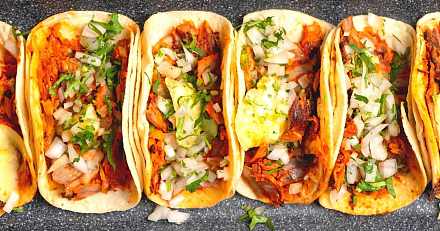
Tacos
The quintessential Mexican dish, tacos consist of small hand-sized corn or wheat tortillas topped with a variety of fillings such as beef, pork, chicken, seafood, beans, vegetables, and cheese. They are often garnished with salsa, cilantro, onions, and lime. Tacos embody the fusion of indigenous and Spanish influences, making them a staple of Mexican street food.
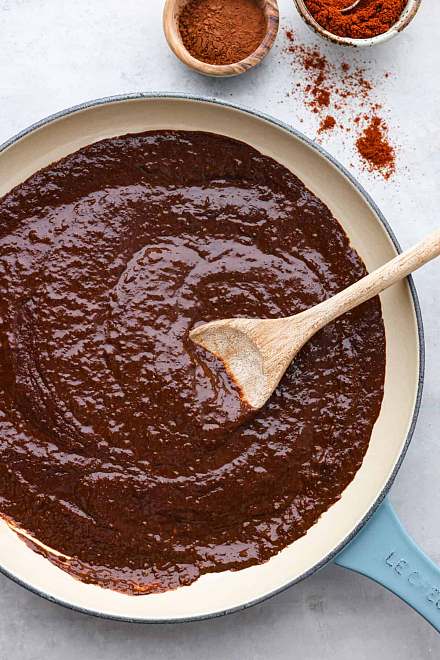
Mole
A rich, complex sauce made from a blend of chilies, spices, nuts, chocolate, and more, served over meat, most commonly chicken. Each region in Mexico boasts its own variation of mole, with Puebla and Oaxaca being the most famous for their versions. Mole is a festive dish, often reserved for special occasions, symbolizing the blending of Mexico's diverse culinary traditions.
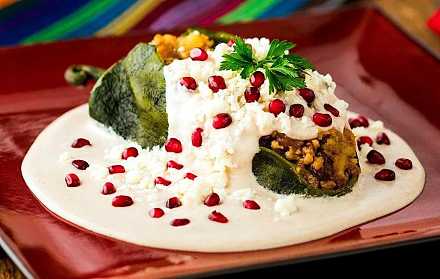
Chiles en Nogada
A patriotic dish featuring poblano chiles stuffed with picadillo (a mixture of meat, fruits, and spices), topped with a walnut-based cream sauce, and garnished with pomegranate seeds. This dish represents the Mexican flag with its green chiles, white sauce, and red pomegranate, and is traditionally served in August and September to celebrate Mexico's Independence Day.
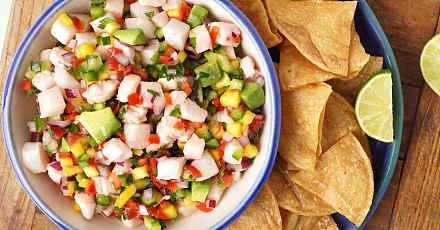
Ceviche
A coastal favorite, ceviche is made from fresh raw fish cured in citrus juices, predominantly lime, and spiced with chili peppers. It's typically garnished with onions, cilantro, and tomatoes. Ceviche showcases the freshness of Mexico's extensive coastline and is a testament to the country's ability to blend simple ingredients into extraordinary dishes.
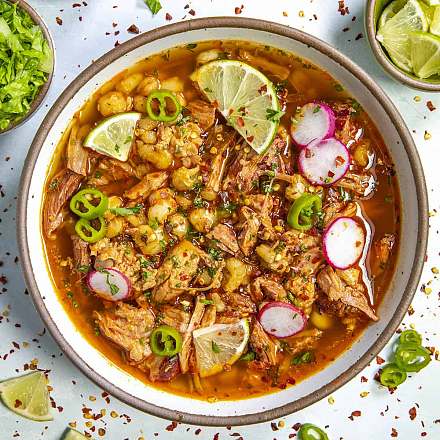
Pozole
A hearty soup made from hominy, meat (usually pork, chicken, or turkey), and can be seasoned and garnished with lettuce, radish, onion, lime, and chili. Pozole is a dish with pre-Hispanic roots, traditionally consumed during special occasions and festivities, symbolizing a blend of indigenous and colonial cultures.
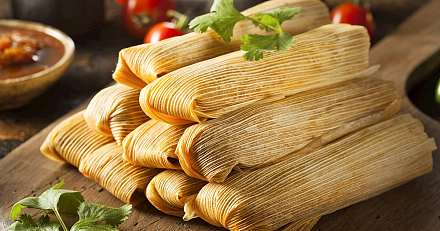
Tamales
Corn dough (masa) stuffed with various fillings (meats, cheeses, fruits, or vegetables), wrapped in corn husks or banana leaves, and steamed. Tamales are a Mesoamerican dish dating back thousands of years, often enjoyed during celebrations such as Day of the Dead and Christmas.
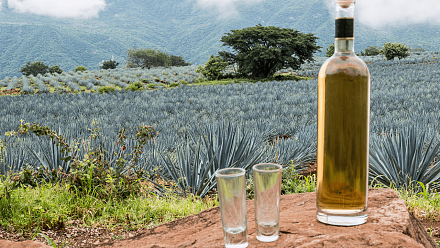
Tequila
A distilled beverage made from the blue agave plant, primarily in the area surrounding Tequila, a town in the state of Jalisco. Tequila is Mexico's national liquor and a key component of Mexican identity, celebrated worldwide.
Mezcal
Similar to tequila but distilled from any type of agave plant. Mezcal is known for its smoky flavor, which comes from the traditional method of roasting agave hearts in pit ovens. Its cultural significance lies in its artisanal production and deep roots in Oaxacan tradition.
Packing

When visiting Mexico, your packing list should be versatile to accommodate diverse climates and activities. Start with lightweight, breathable clothing for the warm coastal and lowland areas, including T-shirts, shorts, and sundresses, paired with a wide-brimmed hat and sunglasses for sun protection. For cooler evenings and higher elevations, such as in Mexico City or the central highlands, include a light jacket or sweater. Comfortable walking shoes are a must for exploring ancient ruins and colonial towns, while flip-flops are perfect for beach destinations. Don’t forget swimwear for Mexico’s beautiful beaches and pools. A reusable water bottle, sunscreen, and insect repellent are essential for staying hydrated and protected against the sun and mosquitoes. If visiting during the rainy season (June to October), a lightweight, waterproof jacket or poncho and a small umbrella will keep you dry during sudden showers. Additionally, pack a daypack for day trips and a secure crossbody bag or money belt to keep your valuables safe while on the go.

Currency

The official currency of Mexico is the Mexican Peso, denoted as MXN or sometimes simply with the "$" sign. Denominations include coins of 10, 20, and 50 centavos (cents), as well as 1, 2, 5, 10, and 20 pesos, and banknotes in denominations of 20, 50, 100, 200, 500, and 1000 pesos. ATMs are widely available in cities and tourist areas, offering a convenient way to withdraw pesos using international debit or credit cards. Most businesses in urban and popular tourist destinations accept major credit cards, but it's wise to carry some cash for smaller purchases, especially in remote areas. For exchanging currency, it's generally recommended to do so at banks, authorized money exchange offices, or withdraw directly from ATMs for more favorable exchange rates compared to airports or hotels.

Transport

Mexico's transportation infrastructure is well-developed, catering to both international visitors and domestic travelers. The country is served by numerous international airports, with the largest and busiest ones being Mexico City International Airport (Aeropuerto Internacional Benito Juárez), Cancún International Airport, and Guadalajara International Airport. These gateways offer flights to and from major cities worldwide. Within the country, travelers can choose from a variety of transportation options. Long-distance bus services are efficient, comfortable, and cover extensive routes connecting major cities and tourist destinations; first-class buses are recommended for longer trips for their amenities and comfort. Domestic flights are a quick way to traverse long distances, connecting major cities and popular tourist spots, operated by airlines such as Aeroméxico, Volaris, and Interjet. For more local travel, taxis and ride-sharing apps like Uber are widely available in larger cities, offering convenient and reasonably priced services. In some tourist areas, you might also find unique local transportation such as "colectivos" (shared minibuses) and "peseros" (small buses). When navigating Mexico's transportation system, it's advisable to plan ahead, especially for bus and air travel, to secure tickets during peak travel times, and always keep an eye on personal belongings, particularly in crowded or tourist-heavy areas.

Emergency

Travelers to Mexico should be mindful of several cultural taboos to ensure respectful and positive interactions. It's important to avoid sensitive topics such as politics, religion, and issues related to illegal drugs and immigration during conversations with locals, as these subjects can be considered controversial. Additionally, punctuality can be more relaxed in social settings, so patience is appreciated. When it comes to gestures, using the "thumbs up" sign is generally acceptable, but avoid using the "OK" sign, as it can be considered offensive. Respect for family and religious values is paramount, so always approach these topics with sensitivity. In case of emergency, travelers can dial the universal emergency number in Mexico, 911, which is the same as in the United States and Canada. This number can be used to access immediate assistance for police, medical, and fire services. It's advisable to have this number saved on your mobile device and to know the address or the name of your location to expedite the help process.

Power socket

In Mexico, the standard power supply voltage is 127V with a frequency of 60Hz, which aligns closely with the North American standard. The country primarily uses two types of power sockets, Type A and Type B. Type A sockets are two-pronged without a grounding pin, while Type B sockets come with an additional grounding pin.

FindTourGuide-index
Home
FindTourGuide-tour
Tours
Send Inquiry
FindTourGuide-operators
Operators
FindTourGuide-destinations
Destinations