+6 Photos

Nepal - Travel Guide / 4.6
Must-See Attractions, Top Activities & Tour Operators

Asia
Nepal is a Himalayan country in South Asia, renowned for its spectacular mountains, diverse landscapes, and rich Hindu and Buddhist heritage. Home to Mount Everest and legendary trekking regions such as Everest and Annapurna, Nepal offers everything from the historic Kathmandu Valley and scenic Pokhara to high-altitude Himalayan trails and wildlife-rich national parks in the south. Combining mountain adventure, cultural heritage, wildlife, and natural beauty, Nepal is a popular destination for trekking, mountaineering, photography, and immersive cultural travel.

Language
Best time to visit
Festivals
Cuisine
Packing
Currency
Transport
Emergency
Power socket
Language
The official language of Nepal is Nepali, written in the Devanagari script. As a multilingual and multicultural country, Nepal is also home to many regional languages, including Maithili, Bhojpuri, and Tharu. English is widely spoken in major tourist areas such as Kathmandu and Pokhara, particularly among hotel staff, guides, tour operators, and other tourism professionals, making communication relatively easy for international travelers.
Best time to visit
Nepal can be visited year-round, but October to May is generally considered the best period for travel. October and November offer clear skies, excellent visibility, and ideal conditions for trekking and Himalayan views, while March to May brings mild temperatures and blooming flowers, making it another popular trekking season. December to February can be cold in the mountains but remains suitable for cultural sightseeing at lower elevations. June to September is the monsoon season, bringing frequent rainfall and less favorable trekking conditions in some mountain areas, although the landscapes are at their greenest.
Festivals
Date: September
Festival name: Dashain
Dashain is the longest and the most significant festival in Nepal, celebrated by Nepalese of all castes throughout the country. It marks the victory of good over evil. For travelers, Dashain presents an opportunity to witness the whole country come alive with kite flying, bamboo swings, and elaborate pujas. Families reunite, and homes are filled with joy and festivity.
Date: October
Festival name: Tihar
Known as the festival of lights, Tihar is celebrated for five days. It honors animals such as crows, dogs, and cows for their special relationship with humans. The entire country glows under the lights of diyas (oil lamps), and the skies burst with fireworks. Visitors can experience the warm hospitality of Nepalese people, as homes are opened and cultural dances and songs fill the air.
Local cuisine
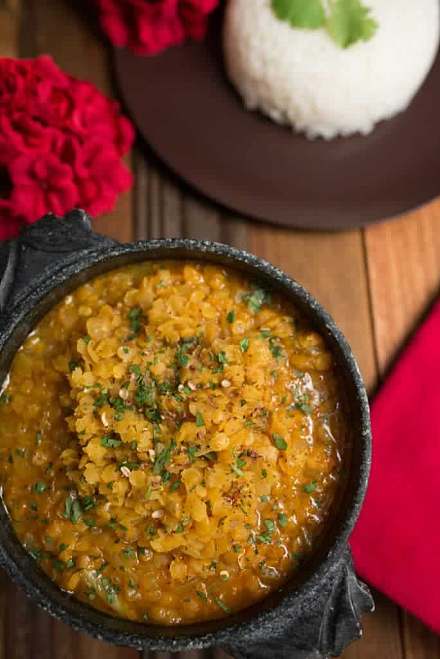
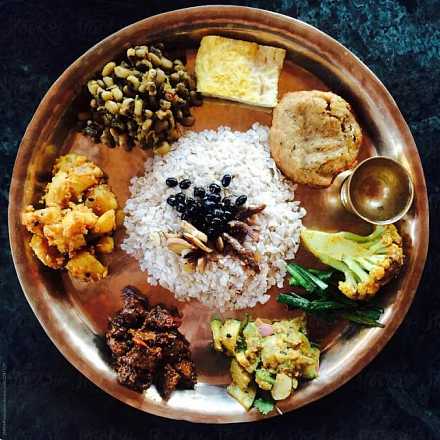
Dal Bhat
A staple meal in Nepal, consisting of steamed rice (bhat) and lentil soup (dal). It's often accompanied by vegetable curries, pickles, and sometimes meat dishes. Dal Bhat is a symbol of Nepalese hospitality and is eaten twice daily by most Nepalese, embodying the saying "Dal Bhat power, 24-hour."
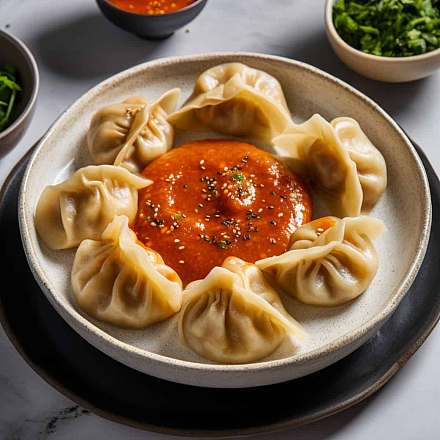
Momo
Nepali-style dumplings that are filled with either meat or vegetables, steamed or fried, and served with a dipping sauce called achar. Momos are a beloved snack or meal across Nepal, reflecting the cultural amalgamation of Tibetan and Nepalese culinary practices.
Gundruk
A fermented leafy green vegetable dish that's often served as a side dish with meals. Gundruk is made from mustard, radish, or cauliflower leaves, which are dried and then fermented. It's a traditional way to preserve vegetables and is a significant source of nutrients during the off-season in rural areas.
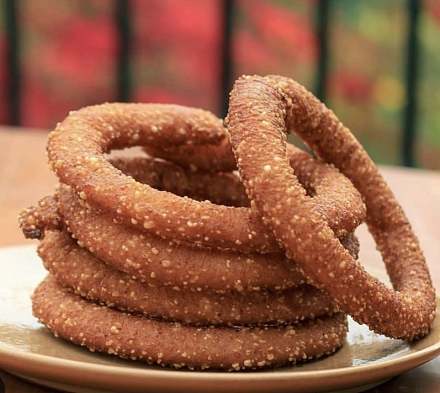
Sel Roti
A traditional homemade, sweet, ring-shaped rice bread/doughnut. It's made from rice flour, water, sugar, and spices, deep-fried to a golden color. Sel Roti is commonly prepared during Tihar, Nepal's festival of lights, symbolizing the celebration and joy.
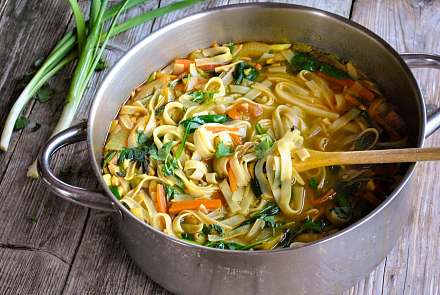
Thukpa
A Tibetan noodle soup that has become popular across Nepal, especially in mountainous regions. It's made with meat or vegetables, noodles, and a flavorful broth, serving as a warming and filling meal that reflects the blend of Tibetan and Nepalese culinary cultures.
Newari Cuisine
An integral part of Newar culture in Kathmandu Valley, this cuisine includes a variety of unique dishes like Bara (savory rice-flour pancakes), Yomari (sweet dumplings filled with jaggery and sesame seeds), and Choyela (spiced grilled buffalo meat). Newari cuisine is a testament to the rich cultural heritage and culinary innovation of the Newar community.
Raksi
A traditional Nepali alcoholic beverage distilled from rice, millet, or grains. It's a potent drink, often consumed during festivals and celebrations, symbolizing joy, hospitality, and the spirit of communal gatherings.
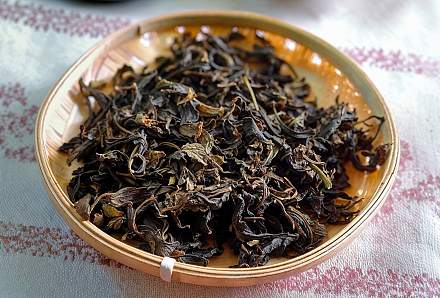
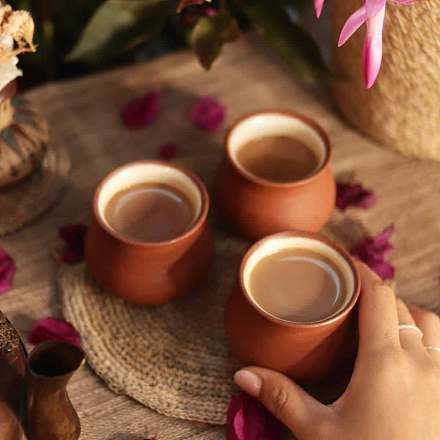
Chiya
Nepali tea that's brewed with spices such as cardamom, ginger, and cloves, often served with milk. Chiya is more than just a beverage in Nepal; it's a daily ritual and a symbol of hospitality, shared between friends, family, and visitors alike.
Packing

When traveling to Nepal, pack according to the season, destination, and altitude of your trip. For general sightseeing, bring comfortable clothing and walking shoes, sunscreen, sunglasses, a hat, and any personal medications. For mountain trips and trekking, pack warm layers, a waterproof and windproof jacket, sturdy trekking shoes, a warm hat, and gloves; specialized equipment may be required for high-altitude treks. During the monsoon season, a waterproof jacket, shoe covers, and dry bags are useful. When visiting temples and religious sites, pack modest clothing that covers the shoulders and knees. A reusable water bottle, power bank, travel adapter, passport, and travel insurance documents are also recommended.

Currency

The official currency of Nepal is the Nepalese Rupee (NPR), commonly written as Rs. or रू, and 1 rupee is divided into 100 paisa. Banks, authorized exchange counters, and ATMs are available in major cities, and Visa and Mastercard are generally accepted at major hotels, restaurants, and shops. However, travelers should carry enough Nepalese rupees when visiting remote areas or trekking regions, where card payments and ATMs may be limited. Foreign currency should be exchanged through banks, hotels, or licensed money changers, and it is advisable to keep your exchange receipts in case they are required when converting unused Nepalese currency before departure.

Transport

The most commonly used international gateway to Nepal is Tribhuvan International Airport (KTM) in Kathmandu, the country's main international aviation hub. Pokhara International Airport (PKR) and Gautam Buddha International Airport (BWA) are also operating international airports. For travel within Nepal, domestic flights and road transportation are the main options. Popular destinations such as Kathmandu, Pokhara, Chitwan, and Lumbini can be reached by domestic flights or long-distance tourist buses, while remote mountain areas and trekking trailheads often require a combination of road travel and short domestic flights. Within cities, travelers can use taxis, buses, three-wheelers, or private cars. Nepal currently has no railway network connecting its major cities. Domestic flights are generally the most time-efficient option, while tourist buses and private vehicles are popular choices for travelers who prefer scenic road journeys or greater flexibility.

Emergency

When traveling in Nepal, visitors should respect local religious beliefs and cultural customs. Remove your shoes before entering temples, stupas, or private homes, and follow local rules at religious sites, some of which may restrict entry to non-believers. Ask for permission before photographing local people, religious ceremonies, or temple interiors. Walk clockwise around temples and stupas, and avoid touching people or religious objects with your feet. Dress modestly when visiting temples and traditional areas, avoid excessive public displays of affection, and use your right hand or both hands when giving or receiving items. During trekking, follow local guidelines, respect the environment, and keep passports and valuables secure. In an emergency, call 1144 (Tourist Police), a free hotline that assists tourists with safety issues, theft, lost documents, and other travel-related problems; 100 is for Nepal Police, and 103 is for Traffic Police.

Power socket

Nepal uses Type C, Type D, and Type M power sockets, with a standard voltage of 230V at 50Hz. Socket types can vary between hotels and accommodations, so international travelers are advised to bring a universal travel adapter. Most phone, camera, and laptop chargers support 100–240V and generally only require a plug adapter, while single-voltage appliances should be checked for compatibility with Nepal’s 230V supply and may require a voltage converter. When traveling to remote areas or trekking at high altitude, carrying a power bank is also recommended in case charging facilities are limited or power interruptions occur.

FindTourGuide-index
Home
FindTourGuide-tour
Tours
Send Inquiry
FindTourGuide-operators
Operators
FindTourGuide-destinations
Destinations