Compare Top Local Operators
100% Free

Planning a trip to Niger?

Share your travel plans and get free itineraries and quotes from multiple trusted local operators.

Itineraries tailored to your travel plans Compare quotes from multiple local operators Connect directly with trusted local operators
Get Free Quotes

10k+ travelers have submitted inquiries

Niger - Travel Guide

4.0

Must-see attractions, popular activities, and featured local operators

West Africa

Niger, a landlocked country in West Africa, offers travelers a rich tapestry of unique experiences, from the vast Sahara Desert to vibrant cultural traditions. Notable landmarks include the ancient city of Agadez, famous for its striking mud-brick architecture and the UNESCO-listed Aïr Mountains, where adventurers can explore stunning landscapes and diverse wildlife. Visitors can immerse themselves in the colorful festivals and markets, where traditional crafts, music, and cuisine come alive, showcasing the country's rich cultural heritage. The Niger River also provides opportunities for river cruises and birdwatching, making it a destination that blends natural beauty with cultural depth.
Attractions

Language

Niger is a multilingual country with over ten indigenous languages spoken, the most prominent being Hausa, which serves as a lingua franca in many regions. Other significant local languages include Djerma and Tamajeq. While French is the official language, a remnant of colonial influence, English is increasingly being taught in schools and appreciated, especially among the younger population and in urban areas. However, due to limited exposure, fluency in English remains relatively low.

Best Time to Visit

The best time to visit Niger is during the cooler months from November to February. During this period, temperatures are more manageable, ranging from 20°C to 30°C (68°F to 86°F) during the day, making it ideal for exploring the country's stunning landscapes and rich cultural heritage. This season also coincides with the dry season, minimizing rainfall and enhancing outdoor activities.

Month
Weather Overview
January
The weather is pleasantly cool, with daytime temperatures ranging from 20°C to 30°C (68°F to 86°F). Nights can be chilly. Precipitation is minimal, and humidity levels are low, making it an ideal time for outdoor exploration.
February
Temperatures begin to rise, reaching 25°C to 35°C (77°F to 95°F) during the day. Rainfall remains scarce, and humidity stays low, creating comfortable conditions for travel.
March
The heat intensifies, with daytime temperatures soaring to 30°C to 40°C (86°F to 104°F). Precipitation is still low, but humidity starts to increase slightly, making afternoons quite warm.
April
This month sees the peak of the heat, with temperatures often exceeding 40°C (104°F). Rain is rare, but the humidity begins to rise, particularly towards the end of the month, leading to a more oppressive atmosphere.
May
Temperatures remain high, averaging 30°C to 42°C (86°F to 108°F). The onset of the rainy season begins late in the month, with occasional showers, but humidity levels are still significantly elevated.
June
The rainy season is in full swing, with temperatures ranging from 28°C to 38°C (82°F to 100°F). Humidity levels increase, and rainfall becomes more frequent, transforming the landscape.
July
This is one of the wettest months, with cooler temperatures between 25°C and 35°C (77°F to 95°F). Humidity is high, and daily thunderstorms are common, offering relief from the heat.
August
Similar to July, temperatures remain mild at 25°C to 33°C (77°F to 91°F). Rainfall continues, with high humidity levels. The landscape flourishes during this time.
September
As the rainy season starts to taper off, temperatures range from 25°C to 35°C (77°F to 95°F). Humidity remains high, but the rainfall decreases significantly.
October
The weather begins to cool, with temperatures ranging from 20°C to 30°C (68°F to 86°F). Precipitation is minimal, and humidity levels drop, making it a comfortable time for travel.
November
Temperatures continue to drop, averaging 20°C to 30°C (68°F to 86°F). This is a dry month with low humidity, perfect for outdoor activities and sightseeing.
December
The weather is cool and dry, with temperatures ranging from 15°C to 25°C (59°F to 77°F). This is one of the best months for travel, as humidity levels are low and conditions are very pleasant.

Festivals

Month:11
Festival:Niger Independence Day

Celebrated on December 18, Niger's Independence Day marks the country's independence from France in 1960. Travelers can experience vibrant parades, national ceremonies, and cultural performances that reflect Niger's pride and historical journey.

Month:8
Festival:Festival of the Nomads

Held in August, the Festival of the Nomads takes place in the desert region and celebrates the culture of the Tuareg and other nomadic peoples of Niger. Visitors can enjoy traditional music, dance, camel races, and cultural exchanges in a unique desert setting.

Month:12
Festival:Festival of Niger

The Festival of Niger, typically held in December, celebrates the rich cultural heritage of Niger through music, dance, and art. Travelers can enjoy performances by local musicians, traditional dances, and crafts, offering a deep dive into Niger's artistic traditions.

Cuisine

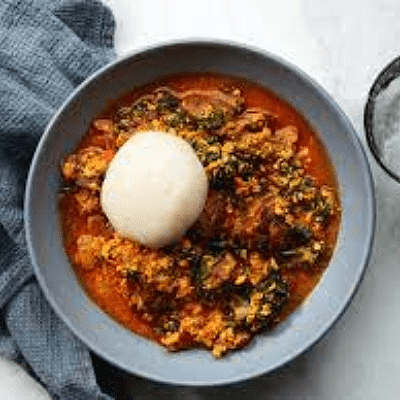
Fufu

Fufu

Made from pounded yams or cassava, this starchy dish is typically served with rich stews made from meat, fish, or vegetables.

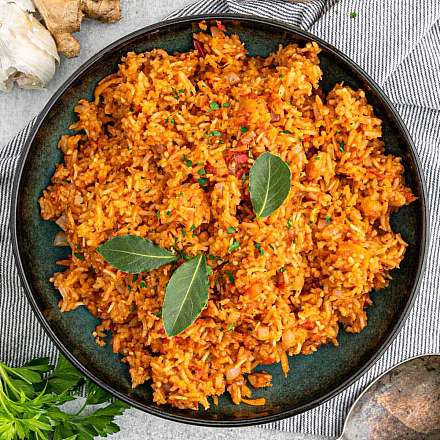
Jollof Rice

Jollof Rice

A popular West African dish made with rice, tomatoes, onions, and spices, often accompanied by grilled chicken or beef.

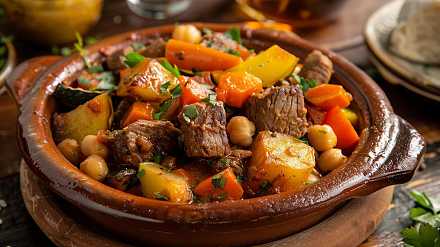
Tajine

Tajine

A slow-cooked stew made with meat (often goat or lamb), vegetables, and aromatic spices, typically served with couscous or bread.

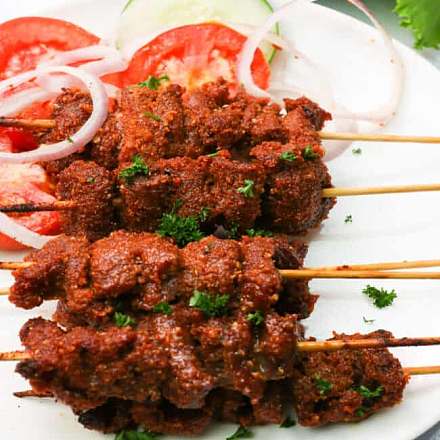
Nigerian-style Suya

Nigerian-style Suya

Grilled skewers of spiced beef, chicken, or lamb, often served with onions, tomatoes, and spicy pepper sauce as a popular street food.

Chakery

Chakery

A traditional dessert made from millet, sugar, and milk, often served chilled, providing a refreshing and sweet end to a meal.

Hibiscus Drink

Hibiscus Drink

A tangy, sweet beverage made from hibiscus petals, sugar, and water, often served chilled and enjoyed as a refreshing drink.

Gari

Gari

Made from grated cassava that is dried and turned into a fine flour, gari is typically eaten with stews, soups, or as a snack.

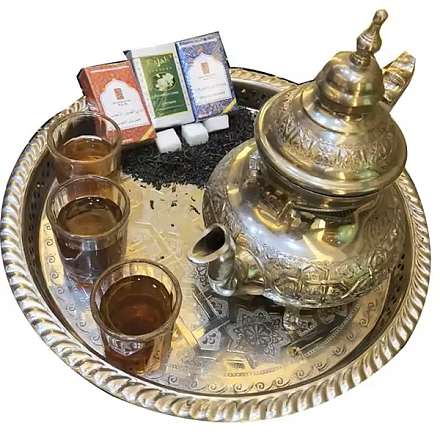
Tea

Tea

A popular drink in Niger, often made with black tea, sugar, and sometimes mint, offering a refreshing and energizing experience.

Packing

When packing for a trip to Niger, prioritize lightweight, breathable clothing suitable for warm, humid weather. Opt for loose-fitting cotton or linen garments to stay comfortable during the day. Don't forget a wide-brimmed hat and sunglasses for sun protection. Sturdy sandals or walking shoes are essential for exploring both urban areas and nature. Include a light rain jacket, especially if traveling during the rainy season. Insect repellent is crucial to ward off mosquitoes, and a basic first-aid kit can be handy. Lastly, remember to pack sunscreen and a reusable water bottle to stay hydrated while enjoying the stunning landscapes and vibrant culture.

Currency

Niger uses the West African CFA franc (XOF) as its official currency, which is pegged to the euro. The currency comes in denominations of 1, 5, 10, 25, 50, 100, 500, 1,000, 2,000, 5,000, and 10,000 franc notes, as well as various coins. While ATMs are available in major cities like Niamey, they may be limited in rural areas, and withdrawing cash with a debit or credit card is often possible but can come with fees. Credit card acceptance is generally restricted to larger hotels, restaurants, and some shops, so it's advisable to carry sufficient cash for smaller transactions and in less urbanized regions.

Transport

Niger's major international airport is Diori Hamani International Airport in Niamey, which connects to several regional and international destinations. Within Niger, transportation options include buses, taxis, and shared minibuses known as "sept-place," which are commonly used for intercity travel. While road conditions can vary, buses and taxis are generally affordable and can be found in urban areas. For navigating the transportation system, it's advisable to negotiate taxi fares in advance and be prepared for longer travel times due to road conditions. Additionally, travelers should consider booking domestic flights for longer distances to save time.

Emergency

When traveling to Niger, one significant taboo is the prohibition of public displays of affection, which are considered inappropriate in many communities. Additionally, dressing conservatively, especially in rural areas, is crucial to show respect for local traditions. Travelers should also be mindful of religious practices, particularly during Ramadan, when eating or drinking in public during daylight hours may be frowned upon. In case of emergencies, the local emergency number is 18 for police assistance, while medical emergencies can be reached through 15.

Power Sockets

In Niger, the standard power socket types are C and E, which are commonly used across Europe. The voltage level is typically 220 volts, with a frequency of 50 Hz.

Socket sample 1Socket sample 2

Tours

View all tours

No featured routes yet

Route recommendations for this destination are coming soon.

Tour operators

View all operators