Celebrated by the Sawa people along Cameroon's coastal region, Ngondo honors ancestors with river rituals, boat races, traditional dances, and cultural displays. Travelers can witness vibrant processions, spiritual ceremonies by the Wouri River, and indulge in coastal cuisine.
Planning a trip to Cameroon?
Share your travel plans and get free itineraries and quotes from multiple trusted local operators.
10k+ travelers have submitted inquiries
Cameroon - Travel Guide
4.3Must-see attractions, popular activities, and featured local operators
Cameroon, often referred to as "Africa in Miniature," offers a stunning snapshot of the continent's geographical and cultural diversity. From the bustling markets and vibrant music scenes of its cities like Douala and Yaoundé to the serene beauty of its landscapes, Cameroon is a country that captivates. It boasts an impressive array of natural wonders, including the breathtaking Mount Cameroon, the highest peak in West Africa, and the lush, expansive Waza National Park, a haven for wildlife enthusiasts. The country's cultural tapestry is equally rich, with over 250 ethnic groups weaving a vibrant mosaic of traditions, languages, and crafts. Not to be missed is the Seme Beach, where golden sands meet the Atlantic in a serene embrace, and the Dja Faunal Reserve, a UNESCO World Heritage site, offering a glimpse into Central African biodiversity. Cameroon's unique blend of natural beauty, wildlife, and cultural heritage makes it a compelling destination for travelers seeking an authentic and diverse African experience.
Attractions
45 main attractions
View on mapLanguage
Cameroon, with its linguistic richness, serves as a microcosm of Africa's diverse languages. The country boasts over 250 local languages, reflecting its complex colonial past with French and English as the official languages. While both languages are widely spoken, French is more prevalent. Indigenous languages like Fulfulde, Ewondo, and Duala also play a crucial role, especially in rural areas, preserving the country's vibrant cultural and linguistic heritage.
Best Time to Visit
The best time to visit Cameroon is during the dry season, which spans from November to February. During these months, the weather is most favorable for exploring the diverse landscapes, from bustling cities and lush rainforests to serene beaches and the picturesque highlands. The dry season offers comfortable temperatures, lower humidity, and minimal rainfall, making it ideal for wildlife viewing in national parks, hiking, and cultural tours. Additionally, this period coincides with several vibrant festivals, providing visitors with a unique opportunity to experience Cameroon's rich cultural heritage.
Festivals
This Bamoun cultural festival in Foumban showcases Cameroon's rich heritage through royal rituals, traditional wrestling, and mask dances. Visitors experience the grandeur of the Sultan's palace and lively parades celebrating unity and history.
The Mount Cameroon Race of Hope is an annual, thrilling endurance race that challenges participants to ascend and descend Mount Cameroon, Africa's highest active volcano, testing both physical and mental strength.
A week-long music festival in Yaoundé celebrating Bikutsi, a traditional dance and music style. Visitors can enjoy electrifying performances from local and international artists while diving into Cameroon's rhythmic culture.
Cuisine

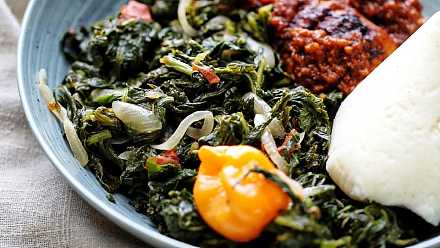
Ndolé
A rich stew made with bitter leaves (ndolé leaves), peanuts, and spices, often served with fish, meat, or shrimp. The leaves are boiled to reduce bitterness, then combined with a creamy peanut paste and sautéed onions for a flavorful dish.

Ekwang
A delicacy of grated cocoyam wrapped in cocoyam leaves and cooked with palm oil, crayfish, spices, and sometimes smoked fish or meat. The rolls are simmered in a seasoned broth for a hearty, savory meal.

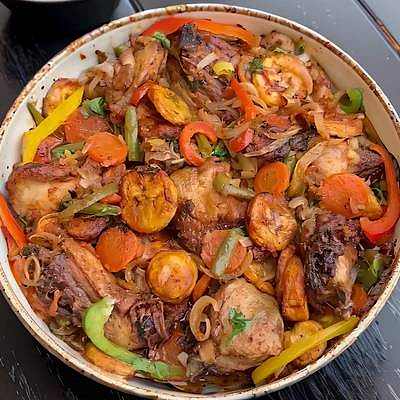
Poulet DG
A luxurious dish of chicken sautéed with plantains, vegetables, and spices. The chicken is marinated, fried, and then stewed with the fried plantains and a medley of carrots, onions, and tomatoes.

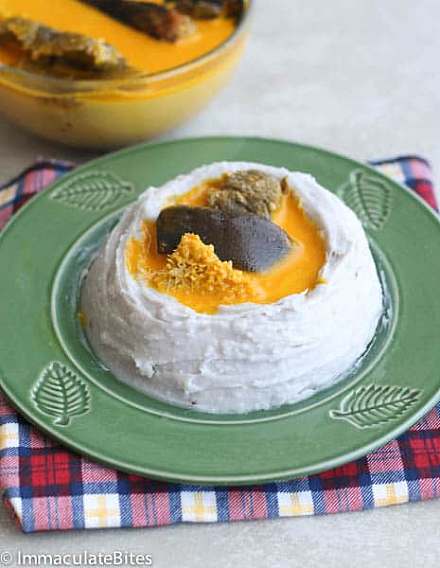
Achu Soup
A vibrant yellow soup made from cocoyams, palm oil, limestone (kanwa), and a blend of spices, traditionally eaten with pounded cocoyam. The soup has a tangy, rich flavor and is a staple among the Bamenda people.

Kati-Kati
Grilled chicken prepared with traditional spices and served with fufu corn and huckleberry leaves sautéed with palm oil. The chicken is flame-grilled for a smoky flavor, making it a favorite in the northwest region.

Palm Wine
A naturally fermented drink tapped from palm trees. Slightly sweet and tangy, it is often enjoyed fresh for its subtle effervescence.

Matango
Another form of palm wine from the raffia palm, it's slightly stronger and has a more earthy flavor profile, commonly served during traditional ceremonies.

Foléré Juice
A refreshing drink made from hibiscus leaves (foléré), sugar, and sometimes ginger or pineapple. The leaves are boiled to extract their deep red color and tangy flavor, then sweetened to taste.

Millet Beer
A fermented beverage made from millet grains, water, and yeast. It is popular in the northern regions and has a slightly sour, earthy taste.

Top Aloe
A Cameroonian soda made from aloe vera and sweetened with sugar, offering a unique blend of sweetness and slight bitterness.
Packing
When visiting Cameroon, essentials include lightweight, breathable clothing for the warm days, along with a sturdy pair of walking shoes for exploring its diverse landscapes. Don't forget a warm layer, such as a light jacket or sweater, for cooler evenings and higher altitudes. Sun protection is crucial, so pack sunglasses, a wide-brimmed hat, and sunscreen. Include insect repellent to guard against mosquitoes, especially in forested and rural areas. A reusable water bottle is recommended for staying hydrated during your adventures.
Currency
The currency used in Cameroon is the Central African CFA franc (XAF), which is shared with several other countries in the region. Banknotes come in denominations of 500, 1,000, 2,000, 5,000, and 10,000 francs, while coins are available in denominations of 1, 2, 5, 10, 25, 50, 100, and 500 francs. ATMs are relatively widespread in larger cities and towns, but their availability decreases in rural areas. It's advisable to carry cash as a backup, especially outside urban centers. Credit cards, particularly Visa and MasterCard, are accepted in major hotels, restaurants, and businesses in the cities but are less commonly used in smaller towns and rural areas. It's always a good idea to have a mix of payment options and to notify your bank of your travel plans to avoid any issues with card usage in Cameroon.
Transport
Cameroon is served by several major international airports, with Douala International Airport and Yaoundé Nsimalen International Airport being the primary gateways for international travelers, connecting Cameroon to various destinations across Africa, Europe, and beyond. Once inside the country, travelers can navigate through a combination of domestic flights, which offer a quick way to cover large distances between major cities; rail services that provide a scenic but limited route mainly between Douala and Yaoundé, and extensive road networks. Road travel is the most common and versatile way to explore Cameroon, with options ranging from buses for longer distances to shared taxis and motorcycle taxis for shorter trips or more local exploration. However, road conditions can vary, and during the rainy season, some areas might be less accessible. For a smooth travel experience, it's advisable to plan ahead, be flexible with travel arrangements, and always consider local advice on the best means of transportation for your intended journey.
Emergency
One significant cultural taboo in Cameroon involves the avoidance of direct eye contact with elders and people of high social status, as it's considered disrespectful, instead, a lowered gaze is a sign of respect. Additionally, using the left hand to eat or pass items is frowned upon, as it is traditionally associated with unclean tasks. When it comes to emergencies, travelers should remember the universal emergency number for Cameroon is 112.
Power Sockets
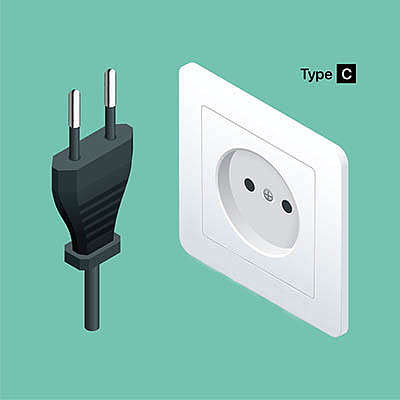
In Cameroon, the standard voltage is 220V with a frequency of 50Hz, the types of power sockets predominantly used in Cameroon are type C and type E.


Tours
View all toursNo featured routes yet
Route recommendations for this destination are coming soon.