Compare Top Local Operators
100% Free

Planning a trip to Comoros?

Share your travel plans and get free itineraries and quotes from multiple trusted local operators.

Itineraries tailored to your travel plans Compare quotes from multiple local operators Connect directly with trusted local operators
Get Free Quotes

10k+ travelers have submitted inquiries

Comoros - Travel Guide

4.2

Must-see attractions, popular activities, and featured local operators

Southern Africa

Comoros, nestled in the Indian Ocean, is a hidden gem known for its pristine beaches, lush rainforests, and vibrant marine life. The archipelago is home to the active Mount Karthala volcano, offering stunning views and exciting hikes. Its culture is a blend of African, Arab, and French influences, showcased in its traditional music, dance, and cuisine. Key attractions include the historic town of Moroni, with its ancient medina and Grand Comore Mosque. Despite its small size, Comoros offers a rich and unforgettable travel experience.

Attractions

Language

The native local language, Comorian (Shikomori), is a Bantu language infused with Arabic influences, reflecting the archipelago's historical ties. French also plays a significant role as a legacy of colonial history, serving as an official language alongside Comorian and Arabic.

Best Time to Visit

The best time to visit Comoros is during the dry season, which spans from May to October. During these months, the archipelago boasts mild temperatures, lower humidity, and reduced rainfall, making it ideal for exploring the lush landscapes, beautiful beaches, and engaging in outdoor activities such as hiking and snorkeling. This period also coincides with the whale-watching season, offering visitors a unique opportunity to witness these majestic creatures.

Month
Weather Overview
January
Warm with high humidity, temperatures range from 23°C to 31°C. This is one of the wettest months, with frequent, heavy showers.
February
Similar to January, February is warm and very humid, with temperatures between 23°C and 31°C. Expect significant rainfall during this month.
March
March sees the end of the rainy season, with temperatures ranging from 23°C to 31°C. Rainfall begins to decrease, but humidity remains high.
April
Transitioning towards drier weather, April offers temperatures between 22°C to 30°C. Rainfall reduces further, and humidity levels start to become more comfortable.
May
The dry season begins, with lower humidity and temperatures ranging from 20°C to 29°C. Rain is infrequent, making it a pleasant time to visit.
June
Cooler and dry, June has temperatures from 19°C to 28°C. This is one of the most comfortable months weather-wise, with low humidity.
July
July is similar to June, with cool temperatures (19°C to 27°C) and low humidity. It's among the coolest and driest months.
August
The cool, dry weather continues, with temperatures between 18°C and 27°C. Humidity remains low, making it an ideal time for outdoor activities.
September
Slightly warmer, September sees temperatures of 19°C to 28°C. The dry weather persists, though humidity starts to increase slightly towards the end of the month.
October
Marking the start of the wet season, October brings warmer temperatures (20°C to 29°C) and increasing rainfall, especially in the latter half. Humidity begins to rise.
November
Warmer and more humid, November has temperatures ranging from 22°C to 30°C. Rainfall increases, signaling the return of the wet season.
December
December is warm and very humid, with temperatures between 23°C and 31°C. It's a wet month, with frequent showers, especially in the second half.

Festivals

Month:7
Festival:Independence Day

This is the most significant national holiday in Comoros, commemorating the country's independence from France in 1975. Festivities include parades, speeches, cultural performances, and various public events across the islands, reflecting national pride and heritage.
Month:4
Festival:Maore Day

Celebrated on the island of Mayotte, Maore Day marks the 1841 date when the island became a protectorate of France. The day is observed with cultural events, traditional dances, and various public celebrations, though it's more prominent in Mayotte than in the other islands of Comoros.

Cuisine

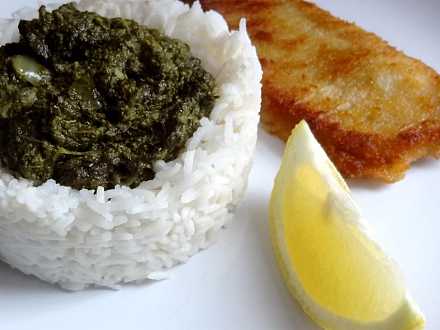
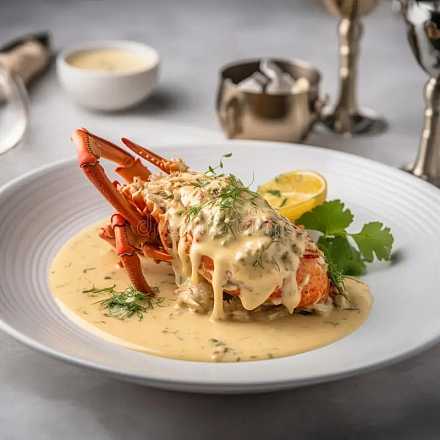
Langouste a la Vanille

Langouste a la Vanille

This luxurious dish features fresh lobster bathed in a creamy sauce made from local vanilla, coconut milk, and a blend of spices, showcasing the island's rich vanilla cultivation.

Mkatra Foutra

Mkatra Foutra

A staple in Comorian cuisine, this fluffy flatbread is made from flour, coconut milk, and yeast, and is often served with curries or grilled meats.

Pilao

Pilao

Reflecting the island's Arab influences, Pilao is a fragrant rice dish cooked with cloves, cardamom, cinnamon, and sometimes chicken or meat, embodying a rich blend of spices.

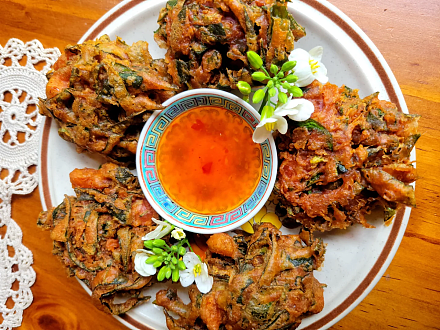
Samoussas

Samoussas

Borrowed from Indian cuisine but with a Comorian twist, these deep-fried pastries are filled with spiced meat, fish, or vegetables, perfect for a savory snack.

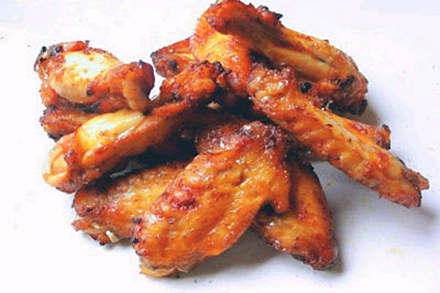
Mabawa

Mabawa

Marinated in a mixture of spices and then grilled or fried, these chicken wings are a popular street food item, enjoyed for their crispy skin and tender meat.

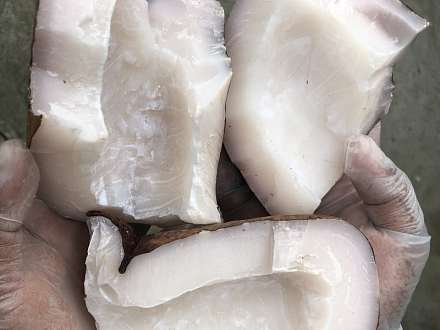
Coco de Mer

Coco de Mer

This rare and unique fruit is often used in desserts or eaten fresh, offering a subtle, sweet flavor that's unlike any other coconut variety.

Rougail de Tomate

Rougail de Tomate

A spicy tomato-based sauce that often accompanies grilled meats or fish, made with crushed tomatoes, chili, garlic, and spices, adding a fiery kick to any meal.

Mofo Anana

Mofo Anana

Sweet bananas are battered and deep-fried, creating a crispy exterior with a soft, sweet interior, often sprinkled with sugar or drizzled with honey.

Madaba

Madaba

Rice is cooked with coconut milk and spices, then wrapped in banana leaves to steam, infusing it with a subtle aroma and flavor.

Dabo Kolo

Dabo Kolo

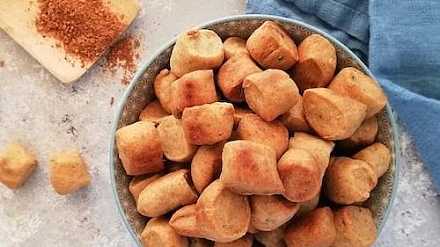
A crunchy snack made from roasted nuts and chickpeas, seasoned with chili powder and salt, offering a perfect balance of heat and crunch.

Ladu

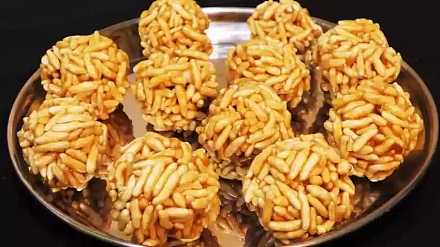
Ladu

A traditional fermented drink made from grated cassava and coconut, offering a slightly tangy and refreshing flavor, typically consumed during special occasions.

Sweet Banana Wine

Sweet Banana Wine

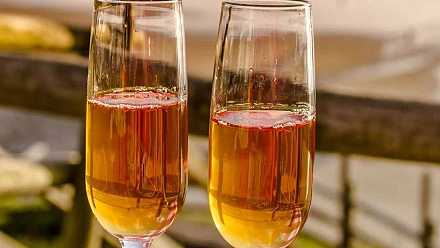
Made from fermented bananas, this homemade wine is sweet, with a unique flavor that captures the essence of Comoros' abundant bananas.

Packing

When visiting Comoros, pack light, breathable clothing suitable for tropical weather, such as shorts, t-shirts, and a wide-brimmed hat for sun protection. Include swimwear for enjoying the beautiful beaches and snorkeling, as well as a lightweight rain jacket for unexpected showers. Don’t forget sunscreen, insect repellent to protect against mosquitoes, and comfortable walking shoes for exploring.

Currency

In Comoros, the currency is the Comorian franc (KMF), available in banknotes of 500, 1,000, 2,000, 5,000, and 10,000 francs, and coins of 25, 50, 100, and 250 francs. While ATMs are present in larger towns and airports, their reliability can vary, so it’s best to carry cash as a backup. Credit card use is limited to larger hotels and businesses, with Visa being the most widely accepted. Therefore, bring sufficient cash, preferably in smaller denominations, for everyday expenses.

Transport

The country's main gateway for international visitors is Prince Said Ibrahim International Airport in Moroni, with smaller airports like Ouani Airport on Anjouan and Mohéli Bandar Es Eslam Airport serving regional and inter-island flights. In-country travel primarily relies on shared taxis and rental cars, as there are no formal public bus services. The islands are connected by a combination of ferries and small aircraft, making inter-island travel an adventure in itself. For ease of navigation, it's advisable to arrange transportation through hotels or local contacts, and always confirm the schedule and availability of inter-island transport in advance, as services can be irregular and subject to weather conditions.

Emergency

As a predominantly Muslim country, dress conservatively, especially women, by covering shoulders and legs. Public displays of affection are frowned upon, and during Ramadan, eating, drinking, or smoking in public during daylight hours is considered disrespectful. Photography of military sites, government buildings, and locals without permission is taboo. Regarding emergencies, the universal emergency number in Comoros is 17 for police, 18 for fire services, and 773-26-04 for medical emergencies. Always verify these numbers upon arrival, as infrastructure changes can occur.

Power Sockets

In Comoros, the standard voltage is 220-240 volts, and the frequency is 50 Hz, aligning with many other countries across Africa and Europe. Travelers should note that the country primarily uses two types of power sockets: types C and E.

Socket sample 1Socket sample 2

Tours

View all tours

No featured routes yet

Route recommendations for this destination are coming soon.

Tour operators

View all operators