Compare Top Local Operators
100% Free

Planning a trip to Eritrea?

Share your travel plans and get free itineraries and quotes from multiple trusted local operators.

Itineraries tailored to your travel plans Compare quotes from multiple local operators Connect directly with trusted local operators
Get Free Quotes

10k+ travelers have submitted inquiries

Eritrea - Travel Guide

4.1

Must-see attractions, popular activities, and featured local operators

East Africa

Eritrea, located in the Horn of Africa, is a captivating country that boasts a rich array of cultural and natural attractions. The capital, Asmara, is a UNESCO World Heritage Site, renowned for its unique blend of Italian Modernist and Art Deco architecture. The city offers a vibrant urban experience with bustling markets, exquisite coffee shops, and rich historical landmarks such as the Imperial Palace. Eritrea's coastline along the Red Sea is a paradise for divers, with the Dahlak Archipelago offering pristine coral reefs and shipwrecks. Inland, visitors can explore the lush Filfil Rainforest, known as Eritrea's "Green Belt", or the ancient ruins of Qohaito, echoing the pre-Axumite civilization.
Attractions

Language

Tigrinya and Arabic are the most widely spoken languages, with Tigrinya being the de facto national language and Arabic holding a recognized status. Other languages such as Saho, Bilen, Tigre, and Afar are also spoken by various ethnic groups. As for foreign languages, English and Italian are commonly understood and spoken, mainly due to historical ties.

Best Time to Visit

Eritrea, located in the Horn of Africa, experiences a warm climate throughout the year. However, the best time to visit is during the cooler months from October to March. During this period, temperatures are relatively mild, making it an ideal time to explore the country's diverse landscapes, ranging from the stunning Red Sea coast to the highlands and the deserts. It's also a good time to witness Eritrea's rich cultural heritage, including its Italian colonial architecture and traditional festivities. Be aware that the rainy season typically occurs from June to September, which can make certain regions less accessible.

Month
Weather Overview
January
Average highs of 24°C (75°F). Minimal rainfall.
February
Average highs of 25°C (77°F). Still very little rainfall.
March
Temperatures rise to around 27°C (81°F). Rainfall remains low.
April
Temperatures continue to increase, reaching highs of 28°C (82°F). Slight increase in rainfall.
May
Average highs of around 30°C (86°F). Rainfall begins to increase, especially in highland areas.
June
High temperatures can reach 30°C (86°F). Rainfall continues to rise.
July
Peak of the rainy season with heavy rain, especially in highlands. Temperatures remain high, averaging around 28°C (82°F).
August
Still wet, particularly in the highlands. Temperatures around 27°C (81°F).
September
The end of the rainy season with temperatures averaging around 26°C (79°F).
October
Rain subsides, and temperatures start to drop, averaging around 25°C (77°F). Humidity also decreases.
November
Average highs of 24°C (75°F). Very little rainfall.
December
Similar to November with average highs of 24°C (75°F) and minimal rainfall.

Festivals

Month:5
Festival:Independence Day

Eritrea's most significant national holiday celebrates the country's independence from Ethiopia in 1991. Festivities include parades, cultural performances, speeches, and various public and private events throughout the country.

Month:6
Festival:Martyrs' Day

This solemn occasion commemorates the tens of thousands of Eritreans who lost their lives during the 30-year struggle for independence. The day is marked by candlelit vigils, prayers, and moments of silence.

Month:9
Festival:Revolution Day

Celebrated on the first day of September, this holiday marks the start of the Eritrean armed struggle for independence in 1961. It is commemorated with political speeches and small-scale local celebrations.

Month:2
Festival:Fenkil Celebration

This festival commemorates the liberation of the port city of Massawa during the Eritrean War of Independence. Events include a reenactment of the battle, street carnivals, and music concerts.

Month:1
Festival:Eritrean Orthodox

Like many Orthodox Christian countries, Eritrea celebrates Christmas on January 7th. The holiday is marked by religious ceremonies, feasting, and the exchange of gifts.

Cuisine

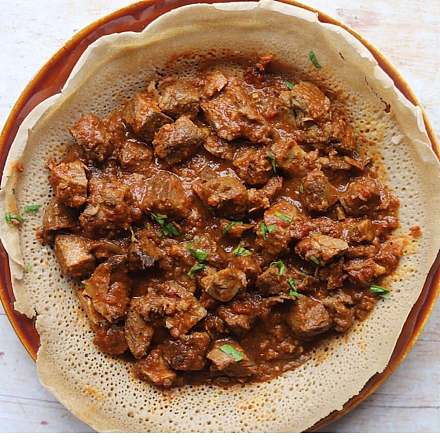
Zigni

Zigni

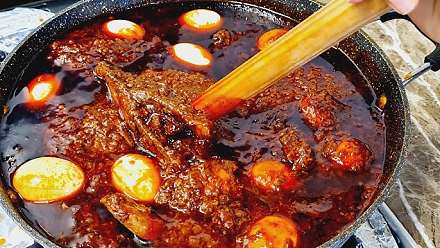
Zigni is Eritrea's most famous dish, often served as a stew. It's typically made with beef, tomatoes, berbere spice mix, onions, and garlic, slowly simmered to perfection.

Injera

Injera

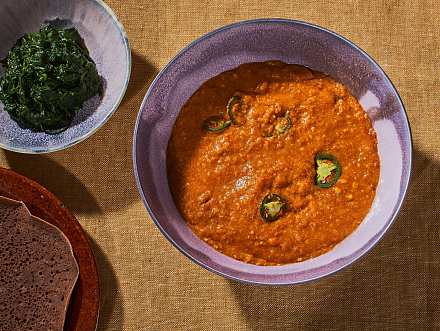
A staple in Eritrean cuisine, Injera is a sourdough flatbread made from fermented teff flour. It's often served as a base for stews and salads.

Shiro

Shiro

This is a popular dish made from powdered chickpeas or broad bean meal. It's combined with spices, onions, and tomatoes and served with Injera or bread.

Ful Medames

Ful Medames

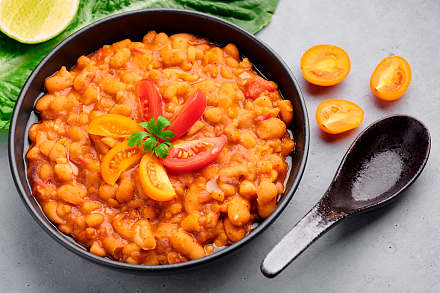
A common breakfast meal, Ful Medames is made from fava beans cooked with onions, tomatoes, and spices, served with bread or Injera.

Tsebhi Dorho

Tsebhi Dorho

This is a spicy chicken stew prepared with berbere spice, onions, tomatoes, and served with Injera.

Suwa

Suwa

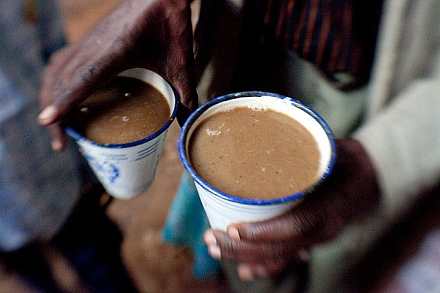
Eritrea's traditional alcoholic beverage, Suwa, is made from fermented barley and gesho, a local plant used for brewing.

Asmara Beer

Asmara Beer

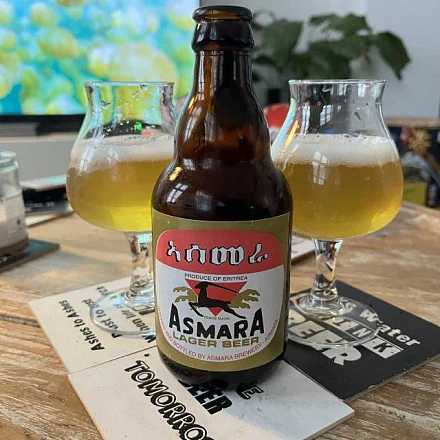
Named after the capital city, Asmara Beer is a locally brewed lager and a popular choice among Eritreans.

Eritrean Coffee

Eritrean Coffee

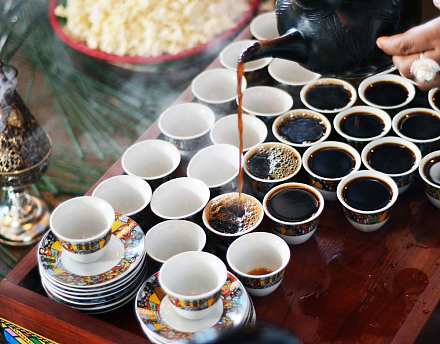
Eritrea is well known for its coffee, which is typically prepared in a traditional coffee ceremony, using locally grown coffee beans, sugar, and sometimes spices.

Araki

Araki

A traditional Eritrean liquor, Araki is made by distilling fermented sorghum, maize, or millet. It's often consumed during celebrations.

Packing

When packing for Eritrea, it's important to consider the country's climate, which varies from hot and arid in the coastal regions to a cooler, wetter climate in the highlands. Lightweight, breathable clothing is essential for the heat, but don't forget a warmer layer or two for the cooler evenings and highland regions. A raincoat or umbrella would be useful if you're visiting during the rainy season. Comfortable walking shoes are a must, as you'll likely be exploring on foot. Sun protection, including a hat, sunglasses, and sunscreen, is also crucial due to the strong sun. As a conservative country, modest clothing is recommended, especially for women.

Currency

The official currency of Eritrea is the Nakfa (ERN), available in various denominations in both coins and banknotes. Eritrea primarily operates on a cash-based economy, with limited acceptance of credit cards and traveler's checks. ATMs are not common, and those present may not accept foreign cards. Visitors are advised to carry sufficient cash, preferably in Nakfa, as it is illegal to exchange currency outside authorized dealers. US Dollars and Euros may be accepted in some tourist-focused businesses.

Transport

Eritrea's primary international gateway is the Asmara International Airport, located in the capital city, Asmara. The country's transportation infrastructure consists of buses, taxis, and trains. Buses are the most common form of public transportation, connecting major cities and towns. Taxis are also available in urban areas, but they might not run on meters, so it's advisable to negotiate fares beforehand. Eritrea also has a unique historical railway system, the Eritrean Railway, which is popular with tourists but has limited functionality for regular commuting. For intercity travel, car rental services are available, but roads can be rough outside urban areas, and driving standards may be different from what visitors are used to. Given the limited public transportation and challenging road conditions, hiring a local driver or joining a guided tour can be a safer and more convenient option.

Emergency

Eritrea, a nation rich in culture, values modesty in dress, especially at religious sites, and politeness in behavior, with eating with the left hand, direct pointing, and touching someone's head seen as impolite. Public displays of affection are generally not accepted due to the conservative nature of society. The emergency number is 2911, but services may be slow, particularly outside Asmara.

Power Sockets

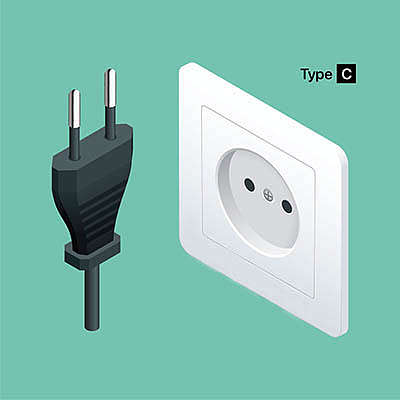
Eritrea operates on a 230V supply voltage and 50Hz. The country primarily uses Type C and Type L power sockets.

Socket sample 1Socket sample 2

Tours

View all tours

No featured routes yet

Route recommendations for this destination are coming soon.

Tour operators

View all operators