Compare Top Local Operators
100% Free

Planning a trip to Ethiopia?

Share your travel plans and get free itineraries and quotes from multiple trusted local operators.

Itineraries tailored to your travel plans Compare quotes from multiple local operators Connect directly with trusted local operators
Get Free Quotes

10k+ travelers have submitted inquiries

Ethiopia - Travel Guide

4.8

Must-see attractions, popular activities, and featured local operators

East Africa

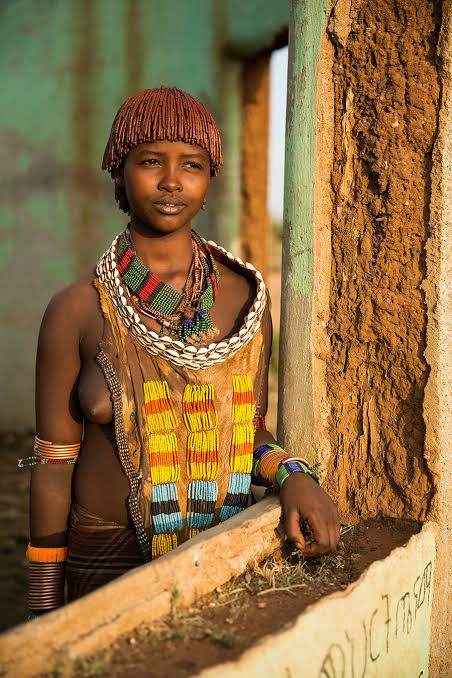
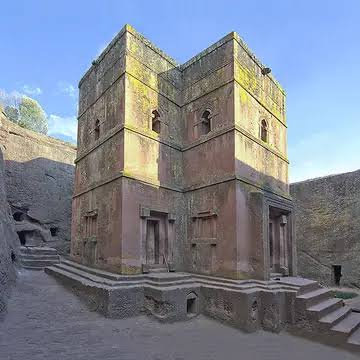
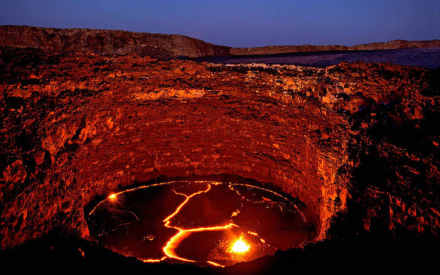
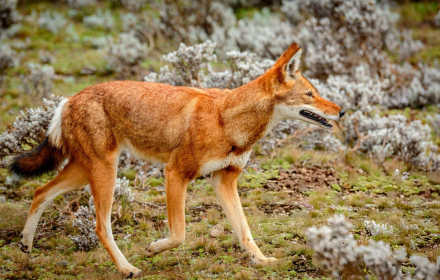
Ethiopia, known as the "Land of Origins," boasts a rich tapestry of history, culture, and natural wonders. From the ancient rock-hewn churches of Lalibela to the mystical castles of Gondar, Ethiopia's landmarks showcase the country's vibrant heritage. Travelers can explore the Simien Mountains, a UNESCO World Heritage Site, home to unique wildlife and breathtaking landscapes. The Omo Valley offers a glimpse into traditional tribal cultures, while the Danakil Depression unveils otherworldly landscapes of sulfur springs and salt flats. Ethiopian cuisine, with its diverse flavors and aromatic spices, tantalizes the taste buds, while the country's welcoming people and colorful festivals provide an immersive cultural experience unlike any other.

Attractions

Language

In Ethiopia, Amharic stands as the country's official language and is widely spoken across various regions. It serves as a unifying language among Ethiopia's diverse ethnic groups. However, Ethiopia is linguistically diverse, with over 80 different languages spoken throughout the country, reflecting its rich cultural tapestry. English holds significant importance as a second language, especially in urban areas, government, and business sectors.

Best Time to Visit

The best time to visit Ethiopia is during the dry season, which typically runs from October to March. This period offers pleasant weather, with cooler temperatures and minimal rainfall, making it ideal for exploring the country's diverse landscapes and cultural heritage. January is particularly vibrant due to the Timkat festival, celebrating Epiphany, while the spring months of March and April are perfect for trekking in the Simien Mountains or visiting the ancient rock-hewn churches of Lalibela. For wildlife enthusiasts, the dry season also enhances visibility in national parks. Overall, planning your trip within these months ensures a more enjoyable and enriching experience in Ethiopia.

Month
Weather Overview
January
This month is part of the dry season, with temperatures ranging from 10°C to 25°C (50°F to 77°F). Humidity is low, making it a pleasant time for travel. Light rainfall is rare, particularly in the highlands.
February
Similar to January, temperatures remain mild, averaging 12°C to 26°C (54°F to 79°F). Rainfall is infrequent, and humidity levels are still low, making it ideal for outdoor activities and exploration.
March
Temperatures begin to rise slightly, with averages of 13°C to 28°C (55°F to 82°F). The dry season continues, though occasional light showers may occur, particularly towards the end of the month.
April
This month marks the transition to the rainy season. Temperatures remain warm, averaging 14°C to 28°C (57°F to 82°F), but rainfall increases significantly, especially in the highlands, leading to higher humidity levels.
May
May sees even more rainfall, with temperatures ranging from 14°C to 27°C (57°F to 81°F). Humidity is high, making the atmosphere feel warmer. This month can be less favorable for travel due to the wet conditions.
June
The rainy season continues, with temperatures between 13°C and 25°C (55°F to 77°F). Heavy rains can occur, particularly in the western regions, contributing to a humid environment.
July
This is one of the wettest months, with temperatures averaging 12°C to 24°C (54°F to 75°F). Expect frequent rain showers and high humidity, particularly in the southern and western areas.
August
Rainfall remains high, with temperatures similar to July, ranging from 12°C to 24°C (54°F to 75°F). The humidity is also high, making travel challenging due to muddy conditions.
September
Rainfall begins to decrease, but the weather remains cool and damp, with temperatures ranging from 11°C to 25°C (52°F to 77°F). Humidity levels are still elevated, but conditions improve towards the end of the month.
October
October marks the start of the dry season. Temperatures range from 10°C to 26°C (50°F to 79°F), with low humidity and minimal rainfall, making it a great time for travel.
November
Weather remains pleasant, with temperatures averaging 10°C to 25°C (50°F to 77°F). Low humidity and clear skies provide excellent conditions for exploring Ethiopia’s landscapes and cultural sites.
December
Similar to November, temperatures range from 10°C to 24°C (50°F to 75°F), with low precipitation and humidity. This month is an ideal time for outdoor activities and enjoying the festive atmosphere.

Festivals

Month:1
Festival:Timkat

Timkat celebrates the baptism of Jesus in the River Jordan. This festival is marked by processions, music, and dancing, as replicas of the Ark of the Covenant are paraded through the streets. Travelers can experience the fervent religious devotion of Ethiopians, witness colorful processions, and enjoy the festive atmosphere that pervades the country.

Month:9
Festival:Meskel

Meskel commemorates the discovery of the True Cross by Queen Helena (the mother of Constantine the Great). The highlight is the lighting of a massive bonfire (Demera) in Meskel Square in Addis Ababa. Visitors can join locals in the celebration, enjoy traditional songs and dances, and witness the spectacular bonfire ceremony.

Month:9
Festival:Enkutatash

Enkutatash marks the end of the rainy season and the beginning of the New Year in Ethiopia. It is celebrated with singing, dancing, and the exchange of bouquets of flowers. Travelers can enjoy the festive mood, with children in new clothes and families visiting friends and relatives, offering a unique insight into Ethiopian family traditions.

Month:1
Festival:Genna

Genna is a time for attending church services, feasting, and playing traditional games, one of which is similar to hockey and is played by the men of the community. For travelers, Genna offers a chance to experience a Christmas celebration unlike any other, characterized by unique traditions, special foods, and communal joy.

Cuisine

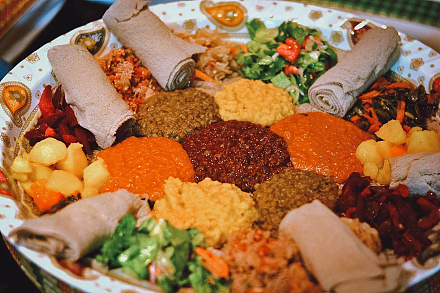
Injera

Injera

A staple of Ethiopian cuisine, Injera is a sourdough flatbread made from teff flour, characterized by its spongy texture and slightly sour taste. It's prepared through a fermentation process and cooked on a large circular griddle, serving not only as a dish but also as an edible utensil for scooping up other foods, symbolizing the communal aspect of Ethiopian dining culture.

Doro Wat

Doro Wat

A spicy chicken stew, is a beloved Ethiopian delicacy made with chicken, hard-boiled eggs, and a rich sauce of onions, berbere spice, and niter kibbeh. This slow-cooked stew is a festive centerpiece, reflecting the warmth and hospitality of Ethiopian traditions, often enjoyed during special occasions and holiday.

Kitfo

Kitfo

Kitfo is a traditional Ethiopian dish consisting of minced raw beef seasoned with mitmita and niter kibbeh. It can be served raw or slightly cooked, often accompanied by kocho and ayibe, embodying Ethiopia's pastoralist heritage and highlighting the cultural significance of cattle in social and festive gatherings.

Tej

Tej

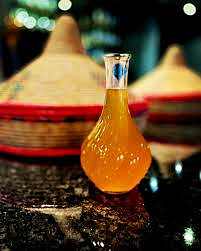
Tej is an ancient Ethiopian honey wine, made from fermented honey and water infused with gesho leaves for bitterness. This homemade mead is traditionally served in a berele, representing nobility and the essence of Ethiopian festivities, and is deeply intertwined with the country's cultural expressions of hospitality and friendship.

Packing

When visiting Ethiopia, it's essential to pack clothing suitable for both warm days and cool evenings, especially if traveling to higher altitudes. Lightweight, breathable fabrics are ideal for daytime exploration, while a jacket or sweater is advisable for cooler evenings, particularly during the dry season. Comfortable walking shoes are essential, especially for exploring historical sites and trekking in the highlands. Sun protection, including hats, sunglasses, and sunscreen, is crucial due to Ethiopia's high altitude and strong sun. Additionally, packing insect repellent and basic medical supplies is recommended, as well as a reusable water bottle to stay hydrated. Depending on the activities planned, such as trekking or visiting religious sites, modest clothing that covers shoulders and knees may be required.

Currency

In Ethiopia, the official currency is the Ethiopian Birr (ETB). ATMs are commonly found in major cities and towns, dispensing Birr, although they may not always be reliable, particularly in rural areas. Credit card acceptance is limited outside of major hotels, restaurants, and tourist establishments, so it's advisable to carry cash, preferably in smaller denominations, for day-to-day transactions. Travelers should also exchange currency at authorized banks or exchange bureaus to ensure fair rates.

Transport

Ethiopia's transportation system offers several options for travelers exploring the country. For international visitors, the main entry point is Addis Ababa Bole International Airport, which serves as the primary hub for both domestic and international flights. Within the country, travelers can choose from various transportation modes, including domestic flights, long-distance buses, minibusses (known as "blue taxis"), and traditional taxis. Rental cars are also available in major cities for those seeking more independence. When navigating Ethiopia's transportation network, it's essential to plan ahead, as schedules for buses and flights can vary. Additionally, travelers should be prepared for potentially long travel times, particularly when traversing the country's diverse landscapes. It's advisable to book domestic flights and long-distance buses in advance, especially during peak travel seasons, and to confirm departure times and routes with reliable sources.

Emergency

When traveling to Ethiopia, one significant taboo is the use of the left hand for eating or passing objects, as it is considered unclean; always use your right hand instead. Public displays of affection between couples are frowned upon, especially in rural areas. It's also considered impolite to refuse an offer of coffee, as coffee ceremonies are a cornerstone of Ethiopian hospitality. Additionally, when visiting religious sites, dress conservatively and remove your shoes before entering churches or mosques. As for emergencies, the general emergency number in Ethiopia is 911, which can be dialed for immediate assistance.

Power Sockets

Ethiopia utilizes a 220V supply voltage and 50Hz for its electricity. The country predominantly uses two types of plug sockets: Type C (Europlug) and Type F (Schuko). The Type C plug, also known as the Europlug, is characterized by two round pins, while the Type F, or Schuko plug, has two round pins and two earth clips on the side.

Socket sample 1Socket sample 2

Tours

View all tours

Tour operators

View all operators