
- Kasungu National Park- Travel TipsWhat to See, How to Plan & Tours
- Natural Scenery
- 5 Reviews
Guide to Kasungu National Park Safari and Wildlife
Kasungu National Park covers 2,316 square kilometers of central Malawi and represents one of the most ambitious ecological restoration projects in Southern Africa. Located approximately 175 kilometers north of Lilongwe, the park sits at an average elevation of 1,000 meters above sea level, primarily consisting of miombo woodland and grassy river channels known locally as dambos. This park serves as a critical corridor for wildlife movement between Malawi and Zambia, though it has historically faced challenges with poaching that decimated its elephant populations.
A massive conservation effort led by the International Fund for Animal Welfare (IFAW) and the Department of National Parks and Wildlife changed the park's trajectory in 2022. During this period, 263 elephants and 431 other animals were relocated from Liwonde National Park to bolster the local population. You will find that the park feels significantly more active now than it did a decade ago, with the sound of elephant trumpeting becoming a common feature of the evening air near Lifupa Lodge.
Wildlife Recovery and Riverine Ecosystems
The Resurgence of Large Mammals
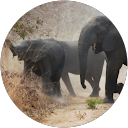
The reintroduction of 263 elephants has transformed the park from a quiet woodland into a dynamic safari destination. These elephants are often found near the Lifupa dam, where they congregate in large groups during the heat of the day. Unlike the more habituated herds in Majete or Liwonde, these animals can be skittish, so keeping a respectful distance of at least 30 meters is a practical necessity for safety. You should also watch for the sable and roan antelope—species that are becoming increasingly rare elsewhere in Malawi but thrive in the Kasungu miombo.
Predators are present but require patience and luck to spot. A small population of leopards resides within the thicker riverine vegetation, and spotted hyenas are frequently heard calling at night. I have found that the best way to see the park's predators is to focus on the Dwangwa River drainage system, as the high grass in the dambos provides excellent cover for lions that occasionally cross over from the Zambian side of the border.
Birdlife and Miombo Specialists
The birding here is arguably some of the best in central Africa for enthusiasts seeking miombo specialists. Over 300 species have been recorded, including the racket-tailed roller and the Whyte’s barbet. Because the park is less crowded than southern destinations, you can spend hours at a single waterhole without another vehicle interrupting the peace.
Practical Logistics for Visitors
Seasonal Timing and Road Conditions
Timing your visit is the difference between seeing the Big Five and seeing nothing but thick green bushes. The dry season, spanning from August to October, is the optimal window because the vegetation thins out and animals are forced to visit the remaining water sources. During the height of the rainy season in January and February, many of the internal tracks become impassable even for high-clearance vehicles.
Most of the park's roads consist of graded soil and sand, which can be treacherous after a sudden downpour. If you are driving yourself, a 4WD vehicle is non-negotiable—not just for the mud, but for the steep embankments near the river crossings. The north entrance is particularly remote and sees very few visitors; I recommend using the main gate near the park headquarters for more reliable assistance if your vehicle gets stuck.
Accommodation and Fees
Lifupa Lodge remains the primary hub for visitors, offering views over the dam where hippos are permanent residents. For those on a budget, the nearby campsite provides basic facilities but requires you to be fully self-sufficient with water and firewood. The park entrance fee for international visitors currently stands at $10 per person per day, while vehicles are charged a separate nominal fee. These rates are subject to change, so verifying current prices at the Lilongwe tourism office before departure is a smart move.
Frequently Asked Questions
What is the entry fee for international visitors at Kasungu National Park?
International visitors are required to pay $10 per person for a 24-hour entry permit. Vehicle fees are separate and usually cost around $2 to $5 depending on the weight and registration of the car.
Can I visit Kasungu National Park in a standard sedan?
No, you should avoid bringing a standard sedan into the park as the roads are unpaved and frequently sandy or rutted. A high-clearance 4WD vehicle is essential for navigating the dambos and reaching the Dwangwa River viewing areas safely.
Is it safe to camp inside the park given the elephant population?
Camping is safe provided you stay within the designated Lifupa campsite which is partially protected by topography and park staff. You must never leave food outside your tent as this attracts hyenas and honey badgers, and you should always keep a fire burning until you retire for the night.
When is the best month for wildlife viewing in Kasungu?
September and October are the best months because the natural water holes in the bush dry up, forcing animals to congregate at the Lifupa dam. During these months, the grass is short, which significantly improves your chances of spotting leopards and smaller cats.
How far is the park from Lilongwe and how long does the drive take?
The park is 175 kilometers from Lilongwe and the drive typically takes 3 to 4 hours. The first section of the road toward Kasungu town is paved, but the final stretch to the park gate is gravel and can be slow going during the rainy season.
Attractions in Malawi
- 1
- 2
- 3
- 4
- 6
Reviews of Kasungu National Park
 Dan Pallotta
 - 5
Experience of a lifetime. Will never forget. This is the thing you dream of doing when you're a kid. At least it was always for me and there I was. Walking on the same grounds that the most majestic animals of today's world do. I'd go back in a heartbeat if given another opportunity. Thank you to all who made my trip possible and pleasurable. From, "American Dan" :)
 Afzal x
 - 5
Kasungu was amazing and very calm , I spent almost hours just listening to the birds and watching the elephants across the lake , its abit tough to get to with all the bumpy roads but once your there , the open space and skies give you a feeling of total wilderness. I had one of the best fresh fish cooked on coal ever , its truly worth a visit if you enjoy the wilderness , open skies and calming nature.
 Mike Dumakude Ngoma
 - 5
This image on Malawi’s 50 kwacha note was taken in front of the tree in Frame 2 and 3 it’s an actual image, the elephant was called Jonathan and it was the friendliest elephant kasungu national park has ever seen sadly it was killed by poachers many years ago after the photo was taken.
 Tyrone Green
 - 3
great place for wildlife. go in good time to see many animals.
 Paolo Ribotta
 - 1
I am currently a park to visit but since photos show elephants killed I think I will go to some other countries where they respect diversity. Other tourists should do the same.




