Celebrated annually on September 22, Mali's Independence Day commemorates the country's independence from France in 1960. Travelers can experience national pride through parades, cultural performances, and speeches, showcasing Mali's rich history and heritage.
Planning a trip to Mali?
Share your travel plans and get free itineraries and quotes from multiple trusted local operators.
10k+ travelers have submitted inquiries
Mali - Travel Guide
4.0Must-see attractions, popular activities, and featured local operators
Mali offers a rich tapestry of unique travel experiences, blending vibrant culture, historical landmarks, and breathtaking landscapes. The UNESCO World Heritage site of Timbuktu stands out with its ancient mosques and manuscripts, showcasing the country's historical significance as a center of trade and scholarship. Visitors can explore the bustling markets of Bamako, where local artisans display intricate crafts, and experience the warmth of Malian hospitality through traditional music and dance. The stunning Niger River provides opportunities for river cruises and fishing, while the Dogon Country offers dramatic cliffs and traditional villages, inviting adventurous travelers to discover its fascinating customs and breathtaking scenery. Mali's diverse cultural heritage and warm atmosphere make it a captivating destination for those seeking an authentic West African experience.
Attractions
15 main attractions
View on mapLanguage
Mali is a multilingual country where French serves as the official language, a remnant of its colonial past. However, the rich tapestry of local languages includes Bambara, which is the most widely spoken indigenous language and serves as a lingua franca among various ethnic groups. Other significant languages include Fulfulde, Songhay, and Tamasheq, reflecting Mali's diverse cultural heritage. While English is not commonly spoken, particularly in rural areas, it is increasingly taught in schools and accepted in urban centers, especially among younger generations and in tourist contexts.
Best Time to Visit
The best time to visit Mali is during the cooler months from November to February. During this period, temperatures are more manageable, making it ideal for exploring the vibrant cities of Bamako and Timbuktu, as well as the stunning landscapes of the Sahara. The dry season offers clear skies and lower humidity, enhancing your experience of the rich cultural heritage and historical sites.
Festivals
Held every January in the Sahara, the Festival in the Desert is a celebration of Tuareg culture, featuring traditional music, dance, and art. Visitors can enjoy performances by local and international artists in a unique desert setting, offering a deep dive into the Tuareg people's traditions.
Tabaski, or Eid al-Adha, is an important Muslim festival celebrated with family gatherings, feasts, and the sacrifice of sheep. Travelers can experience the vibrant atmosphere in local communities, with traditional food, music, and cultural celebrations.
Held on June 21, the Fête de la Musique is an international music festival celebrated across Mali. Music lovers can enjoy free performances in cities like Bamako, ranging from traditional Malian sounds to modern genres, fostering cultural exchange and artistic expression.
The Bamako Dance Festival takes place in March and is dedicated to showcasing traditional and contemporary dance forms from Mali and other African countries. Visitors can enjoy captivating dance performances, workshops, and performances by international artists, celebrating African dance culture.
The Mopti Cultural Festival is celebrated in October, honoring the culture of the Dogon people and the surrounding regions. Travelers can immerse themselves in the vibrant local traditions through music, dance, storytelling, and art exhibitions, offering an authentic cultural experience.
Cuisine

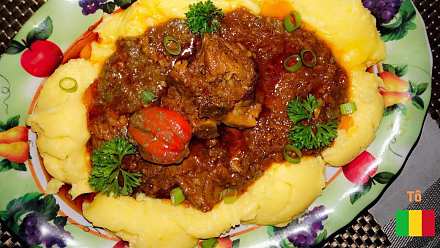
Tô
A staple dish made from millet or sorghum flour, cooked into a thick, dough-like consistency, and typically served with rich vegetable or meat-based stews.

Jollof Rice
A popular West African dish made with rice, tomatoes, onions, and spices, often served with grilled chicken, beef, or fish.

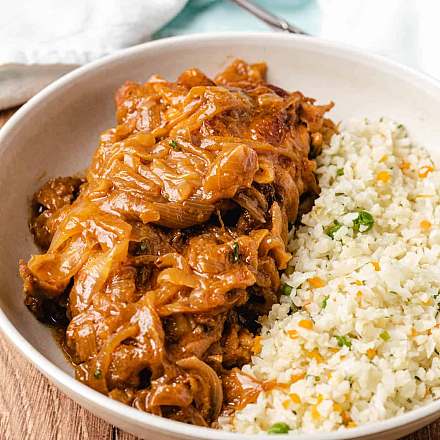
Yassa
A flavorful chicken or fish dish marinated in lemon, onions, and mustard, then grilled or cooked in a tangy sauce, often served with rice or fried plantains.

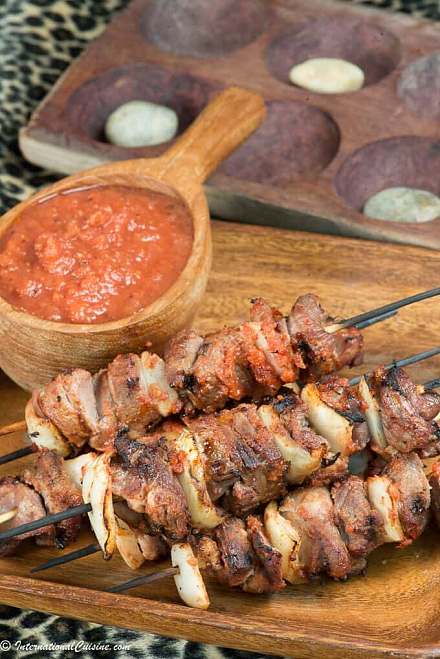
Brouchettes
Grilled skewers of meat (usually lamb or chicken), seasoned with local spices and served with side dishes like rice or vegetables.

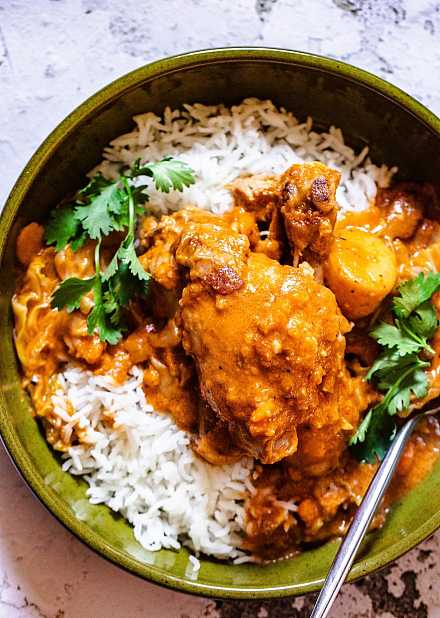
Maafe
A hearty peanut-based stew made with meat (usually beef or chicken), vegetables, and spices, often served with rice or couscous.

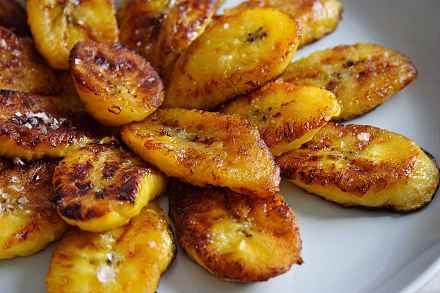
Fried Plantains
A popular snack made from ripe plantains, sliced and fried until golden and crispy, commonly served as a side dish or snack.

Tè
A traditional Mali beverage made from fermented millet or sorghum, often consumed as a refreshing, slightly alcoholic drink.

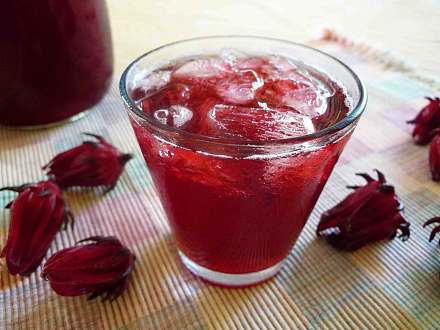
Bissap
A sweet and tangy drink made from hibiscus flowers, sugar, and water, often served chilled as a refreshing beverage.
Packing
When packing for a trip to Mali, prioritize lightweight, breathable clothing suitable for warm, humid weather. Opt for loose-fitting cotton or linen garments to stay comfortable during the day. Don't forget a wide-brimmed hat and sunglasses for sun protection. Sturdy sandals or walking shoes are essential for exploring both urban areas and nature. Include a light rain jacket, especially if traveling during the rainy season. Insect repellent is crucial to ward off mosquitoes, and a basic first-aid kit can be handy. Lastly, remember to pack sunscreen and a reusable water bottle to stay hydrated while enjoying the stunning landscapes and vibrant culture.
Currency
In Mali, the official currency is the West African CFA franc (XOF), which is subdivided into 100 centimes. Denominations include coins of 1, 5, 10, 25, 50, and 100 francs, alongside banknotes of 500, 1,000, 2,000, 5,000, and 10,000 francs. While ATMs are available in major cities like Bamako, their accessibility can be limited in rural areas, so it's advisable to withdraw cash when possible. Credit card acceptance is not widespread, primarily limited to larger hotels, restaurants, and some shops in urban areas. Travelers should carry sufficient cash for smaller vendors and rural locations.
Transport
Mali's main gateway for foreign visitors is Bamako-Sénou International Airport, located in the capital, Bamako, which connects the country to several international destinations. Within Mali, transportation options include buses, shared taxis (known as "clandos"), and motorcycle taxis, which are commonly used for getting around urban areas. While larger cities have some organized public transport, rural areas often rely on informal networks. To navigate effectively, it's advisable to plan ahead, allow extra time for travel due to road conditions, and consider hiring a local guide to enhance your experience and ensure safety. Always negotiate fares in advance for shared taxis and be prepared for a more adventurous travel experience.
Emergency
Dress modestly, especially in rural areas, as revealing clothing can be considered inappropriate. Public displays of affection are generally frowned upon, and it's important to greet people properly with a handshake or a nod. Additionally, it's advisable to avoid discussing sensitive topics such as politics or religion. In case of emergencies, the local police can be reached at 17, while medical assistance can be obtained by calling 15.
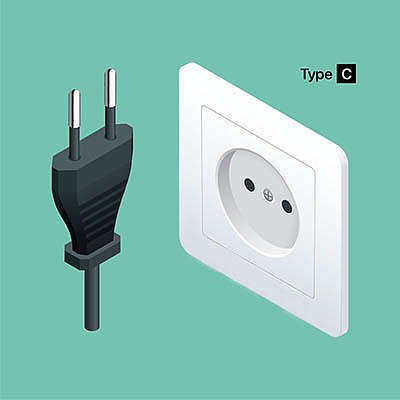
Power Sockets
Mali uses power sockets of type C and type E, which are common in many European countries. The standard voltage is 220V with a frequency of 50Hz.


Tours
View all toursNo featured routes yet
Route recommendations for this destination are coming soon.