Month:12
Festival:Abolition of Slavery
This day commemorates the historical event of the abolition of slavery on December 20, 1860, in Réunion Island. Various cultural events and ceremonies are held across the island to celebrate freedom.
Planning a trip to Réunion?
Share your travel plans and get free itineraries and quotes from multiple trusted local operators.
10k+ travelers have submitted inquiries
Must-see attractions, popular activities, and featured local operators
Réunion Island, a French overseas territory, is a diverse and vibrant paradise nestled in the Indian Ocean, east of Madagascar. Known for its breathtaking landscapes, Réunion is a haven for adventure enthusiasts, boasting one of the world's most active volcanoes, Piton de la Fournaise, and stunning cirques or calderas. The island's unique blend of French, African, Indian, and Chinese cultures is reflected in its rich culinary scene and lively festivals like the 'Fet Kaf', a celebration of abolition of slavery. Visitors can explore the colorful markets of Saint-Paul or walk through the vanilla and spice plantations that dot the landscape. The island's coastal region, lined with coral reefs, offers excellent opportunities for diving and marine life exploration.
32 main attractions
View on mapThe primary language spoken on Réunion Island is French, as it's a French overseas department. Réunion Creole, a unique local dialect, is also widely spoken. English isn't common, but it may be understood in tourist areas. Other languages you might encounter include Malagasy and Tamil due to the island's diverse population.
For hiking and outdoor adventures, the dry season from May to November is ideal, offering cooler temperatures and less rainfall. Those wishing to enjoy the beaches should consider the warmer, more humid summer months between December and April. Bear in mind that the island can experience cyclones during this period. Overall, the months of May, June, and September are often touted as the best times to visit when the weather is most agreeable.
This day commemorates the historical event of the abolition of slavery on December 20, 1860, in Réunion Island. Various cultural events and ceremonies are held across the island to celebrate freedom.
This extreme sports event, also known as the "Diagonale des Fous" (Madmen's Diagonal), attracts runners from all over the world to participate in this endurance challenge that crosses the island's varied terrains.
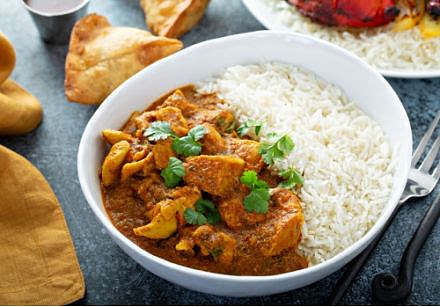
A staple of Réunionese cuisine, Carri is made with meat (chicken, beef, or fish), tomatoes, onions, garlic, and a blend of spices, all simmered together and often served with rice. The dish is akin to Indian curries but has a unique Creole twist.
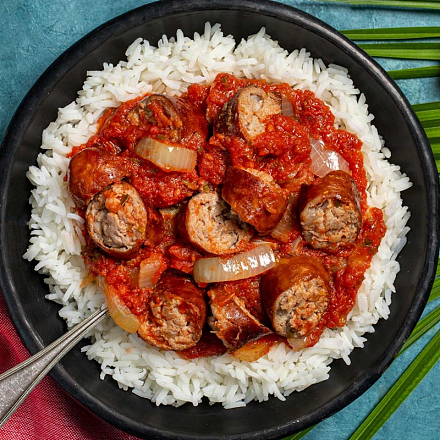
This is a spicy dish made with smoked sausages, tomatoes, onions, garlic, and turmeric, cooked into a thick sauce. It's traditionally served with rice and beans, embodying the island's blend of African, Indian, and French culinary influences.
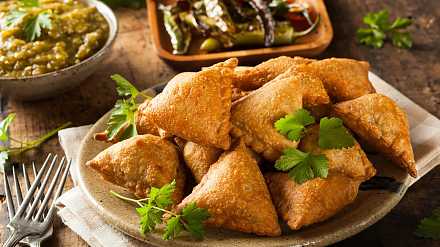
These are deep-fried pastries filled with a mixture of meat (commonly chicken or beef), fish, or vegetables, seasoned with spices. Samoussas are a popular snack on the island, reflecting its Indian culinary heritage.
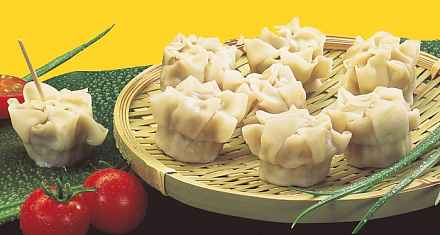
A Chinese-influenced snack, Bouchons are steamed dumplings made with minced meat (usually pork) wrapped in a dough and typically served with soy sauce. They are a testament to the Chinese influence on the island's cuisine.
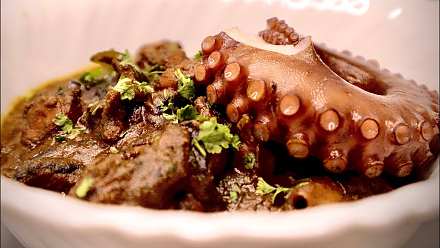
This is a special variant of Carri made with octopus, cooked in a mix of tomatoes, onions, garlic, and spices, offering a unique seafood flavor that's deeply embedded in the island's coastal culture.
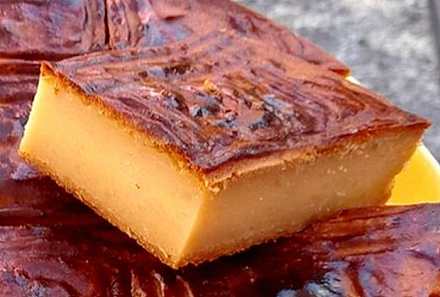
A sweet treat made from sweet potatoes, sugar, and vanilla, often rolled into small balls and coated with grated coconut. This dessert is a delightful representation of the island's use of local ingredients.
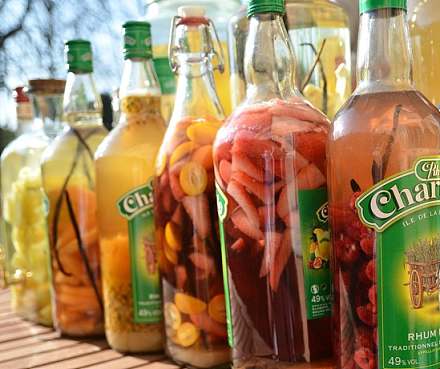
A popular local beverage, it's a variation of rum infused with fruits, spices, or herbs. The ingredients are left to macerate in rum for several months to create a flavorful and aromatic drink, showcasing the island's innovative use of its rum production.
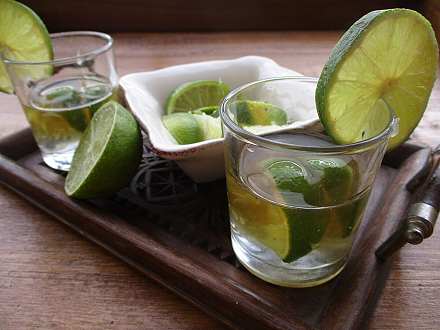
A simple yet potent cocktail made with local rum, lime, and cane sugar. It's a reflection of the island's French influence but with a distinct Réunionese twist, often served as an aperitif.
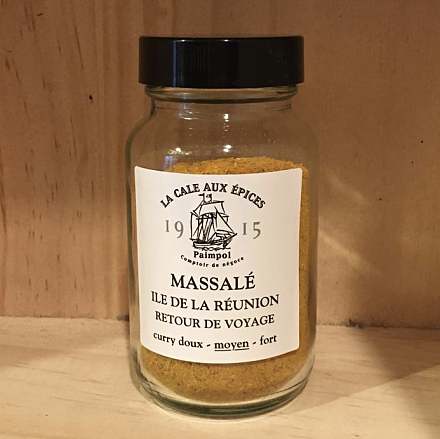
A spice blend similar to garam masala, used predominantly in meat and fish dishes. It's made with coriander seeds, cumin seeds, cardamom, cinnamon, cloves, and nutmeg, ground into a powder, highlighting the Indian influence on the island's cuisine.
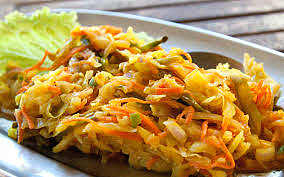
A condiment made with julienne vegetables (such as carrot, cabbage, and green beans), marinated with turmeric, mustard seeds, and vinegar. It's a tangy accompaniment to many dishes, embodying the island's flair for combining fresh produce with bold flavors.
Lightweight, breathable clothing is recommended for the warm, humid coastal areas, while warmer clothing and rain gear are necessary for visits to the cooler, rainy highlands. If you plan to hike, pack sturdy hiking shoes, a hat, sunscreen, and insect repellent. Beachwear, including a swimsuit, beach towel, and flip-flops, is a must for enjoying the island's beautiful beaches.
Reunion Island, uses the Euro (€) as its official currency. ATMs, known locally as 'gabiers', are widely available across the island, especially in urban areas and shopping centers. They accept international credit and debit cards for cash withdrawals. As for credit card acceptance, most hotels, restaurants, and shops in Reunion Island accept major credit cards such as Visa and MasterCard. However, it's recommended to carry some cash as smaller establishments, particularly in rural areas, might not accept cards.
Reunion Island is served by Roland Garros International Airport, located near the capital city of Saint-Denis, and Pierrefonds Airport, located near Saint-Pierre. These airports connect the island to many major cities around the world. Once in the country, visitors have several transportation options. The yellow cars, or "Car Jaune", is a public bus service that operates across the island, offering an affordable way to get around. Taxis are available but can be expensive due to the island's rugged terrain and long travel distances. Car rental is a popular option for visitors wanting flexibility and convenience, with many international and local companies operating from the airports and major towns. However, driving can be challenging due to the island's winding mountain roads. Cycling is also possible, but suited for the more adventurous due to the hilly landscape. When navigating the transportation system, visitors should be aware that traffic can be heavy, particularly in and around Saint-Denis, and that travel times can be much longer than expected.
Reunion Island is a blend of diverse cultures, largely influenced by French, Indian, African, and Chinese heritage. It is important to respect the local customs and traditions. Visitors should avoid wearing revealing clothes, especially when visiting religious sites. It's also considered impolite to refuse an invitation to someone's home, and it's customary to bring a small gift. Remember to greet people with a kiss on both cheeks, a customary French greeting. Public displays of affection are generally frowned upon. Also, it's considered disrespectful to touch or move religious offerings found on trails, even if they appear to be trash. The local emergency number in Reunion is 112 for any general emergencies, 15 for medical emergencies, 17 for police, and 18 for fire emergencies.
The island is equipped with Type E power sockets, characterized by two round pins and a hole for the socket's male earthing pin. The standard voltage is 220-240 volts with a frequency of 50 Hz.

Route recommendations for this destination are coming soon.
Partner operators for this destination have not joined yet, stay tuned.