Month:4
Festival:Seychelles International Carnival of Victoria
Usually held in April, this carnival is a melting pot of cultures, featuring colorful parades, music, and dance from around the world, symbolizing unity and diversity.
Planning a trip to Seychelles?
Share your travel plans and get free itineraries and quotes from multiple trusted local operators.
10k+ travelers have submitted inquiries
Must-see attractions, popular activities, and featured local operators
Seychelles, an archipelago of 115 islands nestled in the Indian Ocean, is a paradise that epitomizes the essence of unspoiled natural beauty and tranquility. Renowned for its pristine white sandy beaches, crystal-clear turquoise waters, and lush tropical foliage, Seychelles offers a sanctuary for those seeking an idyllic escape or romantic getaway. Among its most iconic landmarks are the striking granite boulders of Anse Source d'Argent on La Digue island, and the UNESCO World Heritage Site Vallée de Mai on Praslin, famed for the unique Coco de Mer palm. The islands are a melting pot of cultures, with influences from Africa, Europe, and Asia, which is reflected in its diverse cuisine, music, and art. Seychelles is also a haven for eco-tourism and conservation, with numerous protected reserves and marine parks, offering exceptional opportunities for snorkeling, diving, and wildlife watching. Its commitment to environmental preservation allows visitors to immerse themselves in the breathtaking natural habitats of rare species like the Aldabra giant tortoise. The blend of stunning natural landscapes, rich cultural heritage, and a strong emphasis on sustainability makes Seychelles a unique and captivating destination for travelers seeking an authentic and luxurious island experience.
45 main attractions
View on mapSeychelles boasts a rich linguistic tapestry that reflects its multicultural heritage. The native local language is Seychellois Creole (Kreol Seselwa), a French-based creole that acts as the lingua franca among the islands' inhabitants, encapsulating the nation's diverse cultural influences. English and French are also official languages, ensuring seamless communication with international visitors. English is widely spoken and understood, making it easy for tourists from around the globe to navigate the islands, access services, and interact with locals. French, owing to the country's historical ties with France, remains prevalent in both formal and informal settings.
The best time to visit Seychelles is during the transition periods between the hot and humid northwest trade winds and the cooler southeast trade winds, which occur from April to May and from October to November. These months offer calm seas, making them ideal for swimming, snorkeling, and diving due to excellent visibility. The weather is generally sunny and pleasant, with less humidity, providing a comfortable environment for exploring the islands. Additionally, these transition periods witness fewer tourists, offering a more serene experience of Seychelles' breathtaking natural beauty.
Usually held in April, this carnival is a melting pot of cultures, featuring colorful parades, music, and dance from around the world, symbolizing unity and diversity.
A week-long celebration at the end of October that honors Creole heritage, traditions, music, dance, and cuisine, showcasing the heart and soul of Seychellois culture.
Celebrated on August 15th, this festival is dedicated to the Feast of the Assumption. It highlights the unique traditions of La Digue Island, including traditional music, dance, and food.
Previously known as SUBIOS, the Seychelles Ocean Festival, held in November, celebrates the island's connection to the ocean with underwater photography and film, marine conservation activities, and water sports.
Seychelles commemorates its independence from British rule on June 29th with a variety of events including parades, cultural performances, and fireworks.
Taking place at the end of February, this marathon promotes health, fitness, and environmental consciousness, with routes that showcase the islands' stunning natural landscapes.
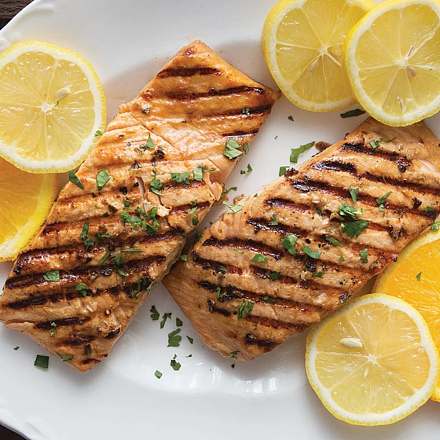
Fresh from the Indian Ocean, often seasoned with a blend of spices and grilled to perfection, showcasing the island's love for seafood.
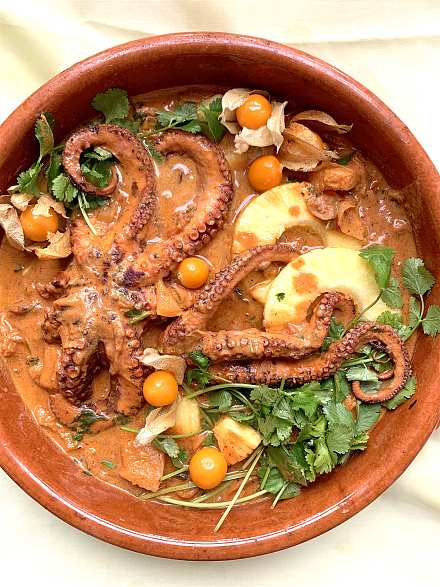
A Creole delight, this curry is made with tender octopus cooked in a rich, spicy sauce, embodying the fusion of Indian and island flavors.
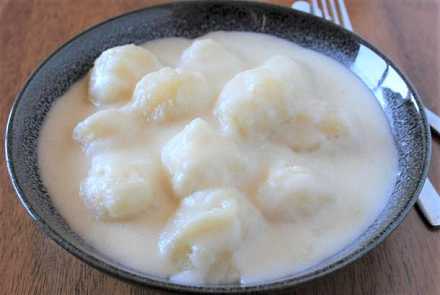
Traditionally enjoyed as either a savory or sweet dish, ladob consists of either ripe plantains or sweet potatoes cooked in coconut milk, often spiced with nutmeg and vanilla.
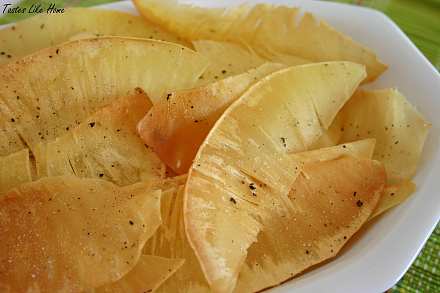
Sliced and fried breadfruit, serving as a popular snack or side dish, offers a unique taste and texture, akin to potato but slightly sweeter.
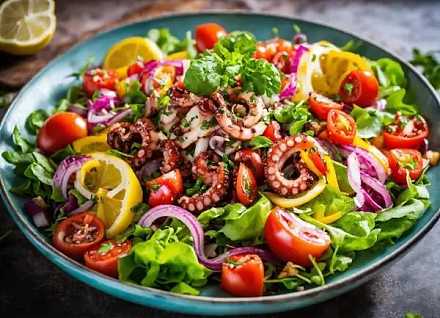
A refreshing mix of locally grown fruits and vegetables, often including papaya and mango, dressed with lime and chili, reflecting the tropical bounty of the islands.
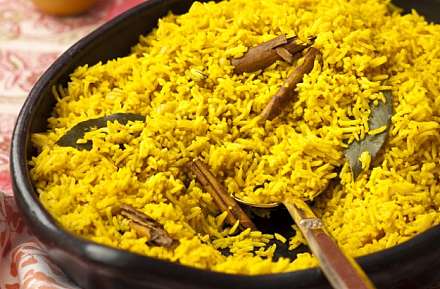
A staple side dish, often accompanying curries, infused with the golden color and subtle flavor of saffron.
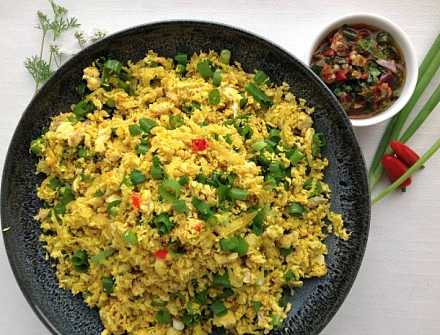
A unique blend of boiled, minced shark meat, mixed with bilimbi (a local sour fruit) and spices, offering an exotic taste experience.
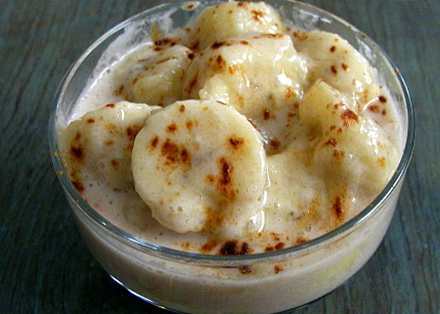
A comforting dessert or snack made from bananas cooked in coconut milk, showcasing the simple yet rich flavors of Seychellois cuisine.
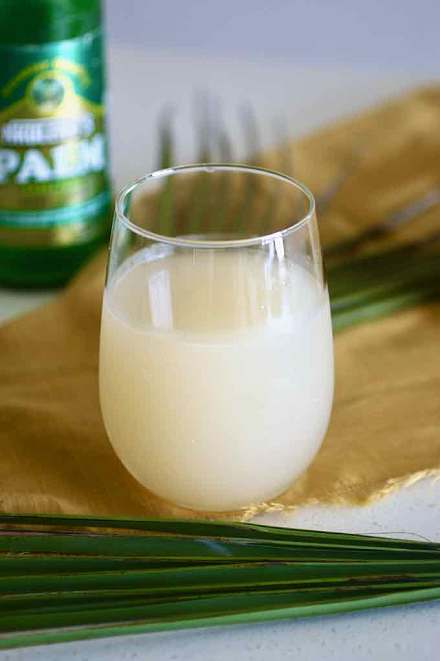
Fermented from the sap of coconut palms, this traditional alcoholic beverage is both sweet and sour, enjoyed in moderation.

The national beer of Seychelles, offering a crisp and refreshing taste, perfect for the tropical climate.

A locally produced rum, available in various flavors, embodying the spirit of the islands with its rich and smooth taste.
When packing for Seychelles, prioritize lightweight, breathable clothing to stay comfortable in the tropical climate. Include swimwear, a snorkel set for underwater adventures, and a light rain jacket for occasional showers. Sun protection is crucial, so pack sunscreen, sunglasses, and a wide-brimmed hat. Comfortable walking shoes are essential for exploring, along with sandals or flip-flops for the beach. Don't forget your camera for capturing stunning landscapes and a reusable water bottle to stay hydrated. Considering the laid-back island vibe, casual evening wear is suitable for dining out. Lastly, include a small first-aid kit and any personal medications, as well as insect repellent to protect against mosquitoes during your stay.
The official currency of Seychelles is the Seychellois Rupee (SCR), which comes in denominations of banknotes and coins. Banknotes are available in denominations of 10, 25, 50, 100, and 500 rupees, while coins are circulated in denominations of 1, 5, 10, and 25 cents, and 1, 5, and 10 rupees. ATMs are widely available in major towns and at the airport, making it convenient for travelers to withdraw local currency. Most international credit cards, including Visa and Mastercard, are accepted in hotels, restaurants, and many shops, especially in tourist areas. However, it's advisable to have some cash on hand for smaller establishments and remote areas where electronic payments may not be accepted.
The country's primary gateway is the Seychelles International Airport (SEZ), located on the main island of Mahé, near the capital, Victoria. There's also Praslin Island Airport, serving domestic flights, especially for tourists heading to Praslin Island's resorts. In-country transportation comprises a reliable bus service on Mahé and Praslin islands, offering an affordable way to explore. Taxis are widely available, though it's advisable to agree on a fare before embarking on your journey. For those looking to hop between islands, ferry services are a popular and scenic option, with regular trips connecting Mahé, Praslin, and La Digue. Car rentals are available and offer flexibility for visitors keen on discovering the islands at their own pace, however, driving is on the left-hand side, and narrow roads require cautious driving. Seychelles also offers helicopter services for scenic tours or quicker transfers between islands.
One cultural taboo in Seychelles is the inappropriate dress in religious or rural areas, visitors should dress modestly out of respect for local norms. Public displays of affection, especially between same-sex couples, can sometimes attract unwanted attention, so it's advisable to be mindful of the surroundings. Littering is severely frowned upon, given the country's strong emphasis on environmental conservation. As for emergencies, visitors should dial 999 for immediate assistance, which connects to police, fire services, and medical services.
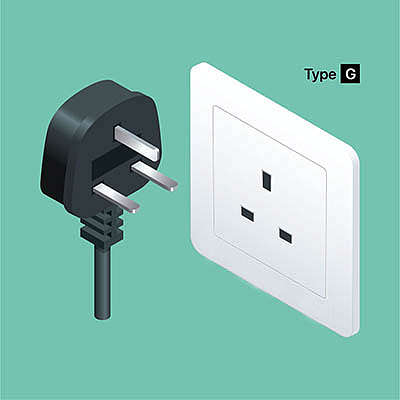
In Seychelles, the standard voltage is 230 V with a frequency of 50 Hz. The power sockets used are of type G, which is the three-pin rectangular blade plug commonly used in the United Kingdom.
Route recommendations for this destination are coming soon.