Matusadona National Park Safari Guide: Can You See Wild Dogs?
Matusadona National Park, situated on the remote southern shores of Lake Kariba in northern Zimbabwe, is undergoing a remarkable wildlife renaissance. Long overshadowed by the vast plains of Hwange or the rugged floodplains of Mana Pools, this unique wilderness of flat-topped hills and drowned forests is quietly reclaiming its status as one of Southern Africa's premier conservation strongholds. The biggest news driving interest in Matusadona is the historic return of the African wild dog. In February 2026, conservationists successfully translocated twenty endangered wild dogs to the park, marking the return of these apex predators after more than twenty years of local extinction.
For wildlife enthusiasts, safari planners, and photography travelers, this conservation milestone changes the travel landscape of Zimbabwe. It introduces a rare opportunity to witness the rewilding of a major ecosystem in real-time. However, traveling to a park that has recently received translocated predators comes with practical questions. Can you actually see these wild dogs on safari today? What does it take to plan a trip to this remote corner of Zimbabwe? How much will it cost, and what are the logistics of getting there? The practical details below address these crucial planning questions to help you decide if Matusadona deserves a place on your next African safari itinerary.
The Milestone Translocation of African Wild Dogs
The return of the African wild dog, Lycaon pictus, to Matusadona was not a sudden event but the culmination of years of preparation. Between February 15 and 17, 2026, a specialized team coordinated by the Matusadona Conservation Trust, which is a partnership between the Zimbabwe Parks and Wildlife Management Authority and the non-profit conservation organization African Parks, executed the ambitious move. The twenty wild dogs were sourced from Nuanetsi Ranch in southern Zimbabwe, where they lived in established social structures.
The translocation involved moving two distinct, pre-established packs. One pack consisted of six individuals, while the other was a larger group of fourteen. Moving wild dogs is highly complex because of their complex social hierarchies and wide-ranging nature. To ensure the translocation succeeded, the animals were transported by air, with Mack Air providing crucial transport support, alongside veterinary teams from African Wildlife Conservation and Management and monitoring experts from the Endangered Wildlife Trust.
Upon arrival in Matusadona, the dogs were not immediately released into the open park. Instead, they were placed in specialized, secure holding bomas near the Tashinga area. This soft-release approach is a standard conservation method designed to let the animals recover from the stress of travel, adjust to the local climate, reinforce their pack bonds, and start associating the Tashinga area as their home territory. After several weeks of close monitoring, the packs were released into the wider park landscape.
This translocation is part of a broader, multi-year rewilding strategy for Matusadona. Since African Parks took over co-management of the park in 2020, they have rebuilt the park's infrastructure, intensified anti-poaching operations, and worked closely with local communities in the Nyaminyami Rural District. The wild dog reintroduction followed a July 2025 translocation of seventy-four other animals, including African buffalo, common eland, and sable antelope, which expanded the prey base. Following the wild dogs, a group of critically endangered black rhinos was also reintroduced to Matusadona in June 2026, restoring another iconic species that had been absent for a decade.
Sighting Chances: Tracking the Packs in a Vast Wilderness
While the presence of twenty wild dogs is a major success, safari-goers should understand the reality of tracking these animals. African wild dogs are incredibly active, wide-ranging predators. Outside of the denning season, a single pack can cover a home range of several hundred square kilometers in search of prey like impala and kudu. In a park that covers 1,470 square kilometers of rugged hills, dense miombo woodlands, and grassy lakeshores, finding them requires skill, patience, and realistic expectations.
To aid both conservation monitoring and visitor tracking, the Matusadona Conservation Trust has fitted select individuals in each pack with GPS tracking collars. Park rangers and research teams monitor their movements daily, ensuring they remain safe and identifying their preferred hunting territories. This tracking data is also used to support community-based early-warning systems, helping to prevent potential human-wildlife conflict if the dogs stray near park boundaries.
For travelers, the best chance of encountering the wild dogs is around the Tashinga region, where they were originally soft-released and have established their initial territories. The flat, open floodplains along the shoreline of Lake Kariba also provide excellent visibility. Unlike dense woodlands, the shores allow guides to spot predators from a distance, especially during morning and late afternoon game drives.
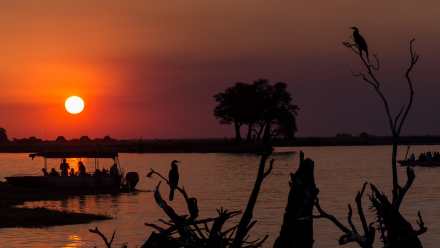
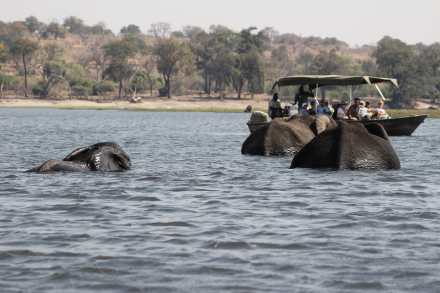
However, a safari in Matusadona is not just about driving in a vehicle. Zimbabwe is famous for having some of the most rigorously trained professional guides in Africa, who are licensed to lead walking safaris. Exploring the park on foot in the company of an armed guide offers an entirely different perspective. Walking allows you to search for fresh wild dog tracks, study their movement patterns, and potentially experience a safe, thrilling encounter on foot. Lake Kariba also allows for boat-based safaris, where you can watch the shorelines for wildlife from the water, a peaceful alternative to traditional land-based game viewing.
Practical Travel Logistics for Matusadona National Park
Matusadona is a remote destination, which keeps visitor numbers low and the experience highly exclusive. However, this remoteness means that planning the logistics of your journey requires careful attention.
Getting there is primarily done by air. The park is a short flight from major entry hubs like Victoria Falls or Harare. Safari Logistics operates scheduled charter flights to airstrips serving the Matusadona and Lake Kariba region, including Bumi Hills airstrip and Fothergill airstrip. A typical one-way seat rate flight from Victoria Falls to Bumi Hills costs around 390 USD per person. Alternatively, you can fly to Kariba Airport on the eastern edge of the lake and take a boat transfer across the water directly to your lodge, a scenic journey that takes between forty-five minutes and two hours depending on the weather and the location of the camp.
When it comes to timing, the dry season, running from May to October, is the optimal window for a Matusadona safari. During these months, water sources in the interior hills dry up, forcing animals to congregate in large numbers on the fertile floodplains along the shores of Lake Kariba. May to August offers comfortable, sunny days and cool nights, while September and October are much hotter but offer the absolute peak wildlife viewing as animals pack the shoreline. Conversely, the rainy season from November to April brings heavy downpours that make the park's internal roads muddy and virtually impassable by vehicle. Many lodges close during this period, and the remaining wildlife retreats into the remote, inaccessible back country.
Accommodation in and around the park caters to different budgets and travel styles, ranging from luxury lodges to rustic camps.
First, Changa Safari Camp is a luxury option located on a private concession on the shores of Lake Kariba. It features spacious, East African-style luxury tents, private decks overlooking the water, and offers a combination of game drives, walking safaris, and boat cruises.
Second, Musango Safari Camp is located on a private island just outside the park boundary, run by former park warden and renowned conservationist Steve Edwards. Musango is highly regarded for its personalized guiding, fossil-hunting walks, and deep focus on conservation. Rates at Musango range from approximately 540 USD per person sharing per night in the shoulder season to 695 USD per person in the peak dry season, which covers all meals, beverages, and daily activities.
Third, Bumi Hills Safari Lodge is a premium luxury lodge positioned on a high hillside just outside the park, offering panoramic views across Lake Kariba and top-tier amenities.
Fourth, for budget-conscious or independent travelers, the Zimbabwe Parks and Wildlife Management Authority offers basic self-catering cottages and campsites at Tashinga. These require visitors to bring all their own supplies, food, and a robust four-wheel-drive vehicle, but they offer an incredibly raw and affordable wilderness experience.
Visas and entry requirements should also be secured in advance. Most international travelers can obtain a Zimbabwe tourist visa upon arrival at major airports like Victoria Falls or Harare, or apply online beforehand. A single-entry tourist visa typically costs 30 USD, while the KAZA Univisa, costing 50 USD, is an excellent option if you plan to split your trip between Zimbabwe and neighbouring Zambia or Botswana.
Choosing the Right Operator for Your Conservation Safari
Because Matusadona is a developing wildlife destination, booking your trip through an experienced local operator is highly recommended. The success of your safari, especially if your primary goal is to search for the newly translocated wild dogs, depends heavily on the quality of your guide. Experienced guides understand the topography of the park, coordinate with park researchers, and know how to safely track wide-ranging carnivores.
Local operators also ensure that your travel dollars directly support the ongoing conservation work of the Matusadona Conservation Trust. By choosing lodges and operators that actively fund anti-poaching, community development, and ecological research, you become an active participant in Zimbabwe's rewilding story.
If you are already planning this trip, you can submit your requirements for free through FindTourGuide and connect with local tour operators for customized itineraries and quotes.