Celebrated on July 5th, this national holiday marks Algeria's independence from France in 1962. Travelers can experience patriotic parades, cultural performances, and various public events celebrating Algerian history and national pride.
Planning a trip to Algeria?
Share your travel plans and get free itineraries and quotes from multiple trusted local operators.
10k+ travelers have submitted inquiries
Algeria - Travel Guide
4.5Must-see attractions, popular activities, and featured local operators
Located in North Africa, Algeria is a country rich in culture and history, offering travelers a unique blend of modern cities, ancient Roman ruins, and vast desert landscapes. The capital city, Algiers, is known for its Ottoman-era casbah and the grandiose modernist architecture from its French colonial past. Tlemcen and Djemila showcase stunning examples of Islamic and Roman architecture, respectively. For nature lovers, the Sahara Desert offers breathtaking views and unforgettable experiences, with camel trekking and night stays in desert camps. Meanwhile, the Mediterranean coastline features beautiful beaches and quaint fishing villages. Algerian culture is a fascinating mix of Berber, Arab, French, and African influences, reflected in its music, cuisine, and traditions.
Attractions
26 main attractions
View on mapLanguage
Algeria is a linguistically diverse country with Arabic being the official language, used in government, schools, and media. Most Algerians speak Algerian Arabic or Darja, a unique dialect influenced by Berber, French, and other languages. Berber, the indigenous language of Algeria, is also widely spoken, particularly in rural areas and by the Kabyle people in the North. French, despite being a legacy of colonialism, is prevalent and often used in business, education, and the media, making Algeria essentially bilingual. As for English, it's not as widely spoken or understood, but its use is growing, especially among younger generations and in the tourism sector.
Best Time to Visit
For coastal regions like Algiers, the period from April to October offers pleasant Mediterranean weather, with warm temperatures and little rain, making it ideal for sightseeing and beach activities. However, if you're planning to venture into the Sahara Desert, the months of October to May are more suitable as the summer months can be extremely hot. On the other hand, for those interested in winter sports, the mountainous regions of Kabylie and Chréa National Park provide excellent skiing conditions from December to March. Regardless of when you visit, keep in mind that during Ramadan, a month-long period of fasting observed by Muslims, some services may be limited.
Festivals
Held in the Sahara Desert, this festival celebrates Algeria's desert culture with camel races, traditional music, and Berber dancing. Visitors can immerse themselves in the nomadic lifestyle, watch performances, and explore the vast desert landscape.
Taking place in April, the Timimoun Festival is a celebration of traditional Saharan culture, featuring folk music, dance, and local crafts. Travelers can experience the charm of the desert city and its cultural heritage through lively events and exhibitions.
Cuisine

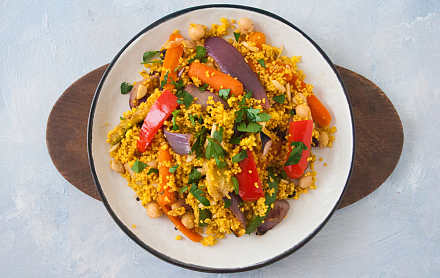
Couscous
A staple dish made from steamed semolina wheat, typically served with a stew of lamb, chicken, or vegetables, and flavored with aromatic spices like saffron, cumin, and cinnamon.

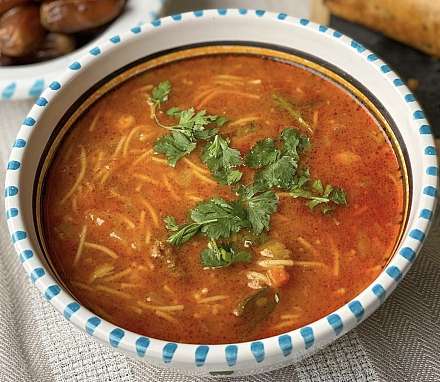
Chorba
A hearty soup made with lamb or chicken, tomatoes, chickpeas, and vegetables, seasoned with coriander and spices, often enjoyed during Ramadan and cold weather.

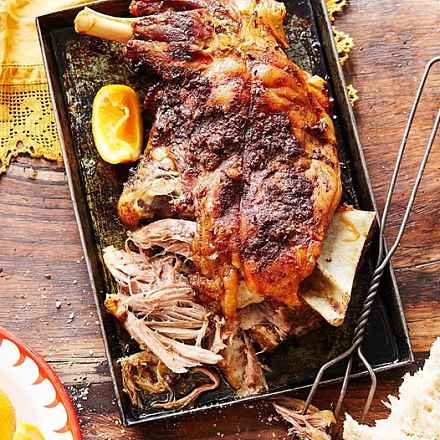
Mechoui
A traditional slow-roasted lamb dish, where the lamb is seasoned with spices like cumin and garlic and cooked until tender, typically served during special occasions.

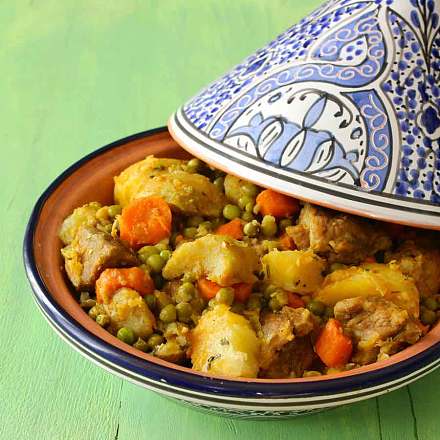
Tajine
A slow-cooked stew made with lamb, chicken, or fish, combined with vegetables, dried fruits (such as apricots or raisins), and seasoned with spices like saffron and cinnamon, cooked in a traditional clay pot.

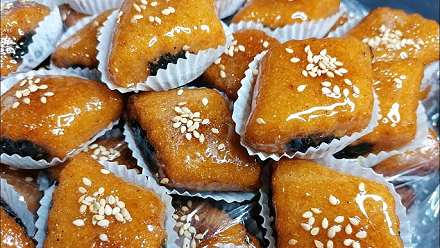
Makroud
A popular dessert made from semolina dough filled with dates and nuts, fried until golden, and soaked in honey or syrup for a sweet finish.

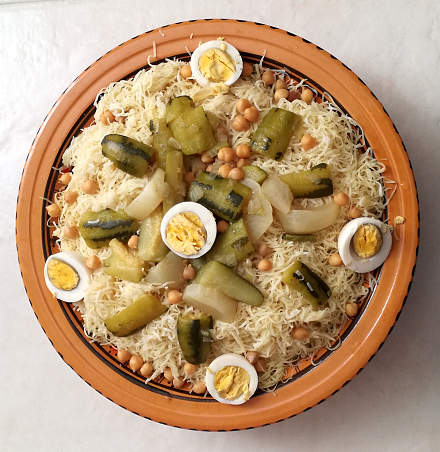
Rechta
A dish of thin, homemade noodles served with a stew of lamb or chicken, vegetables, and chickpeas, flavored with ginger, cinnamon, and coriander.

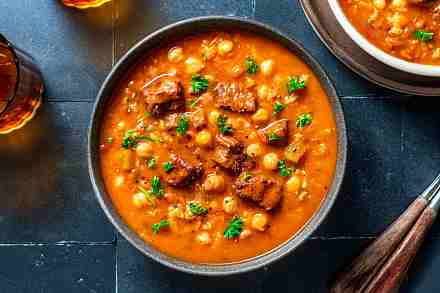
Harira
A thick soup made with tomatoes, lentils, chickpeas, and lamb or beef, spiced with ginger and cinnamon, often eaten to break the fast during Ramadan.

Algerian Mint Tea
A refreshing beverage made from green tea, fresh mint leaves, and sugar, served in small glasses, commonly enjoyed during social gatherings and after meals.

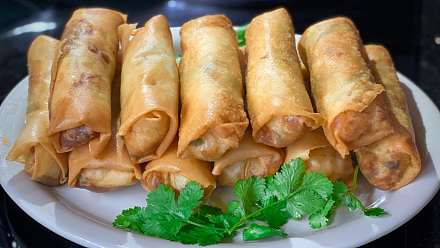
Borek
A savory pastry made with thin layers of dough (similar to phyllo) filled with minced meat (usually lamb or beef), herbs, and spices, then fried to a crisp golden finish.

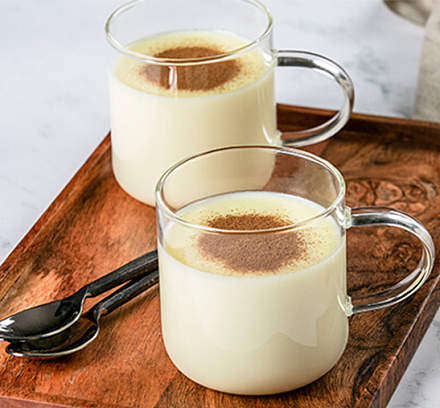
Sahleb
A warm, thick drink made from milk, sugar, and ground orchid tuber, often enjoyed during the cooler months, and sometimes flavored with cinnamon or vanilla.
Packing
When packing for a trip to Algeria, it's important to consider the region and season of your visit. Generally, lightweight, breathable clothing is advisable for the hot, dry summers, while warmer clothing is needed for the cooler winters, especially if you plan to visit the mountainous regions. Comfortable walking shoes are a must for exploring cities and historical sites. Modest attire respecting local customs is recommended, especially for women. This includes avoiding sleeveless tops and short skirts or shorts. Sunscreen, hats, and sunglasses are essential for protection against the strong sun. If you plan to venture into the Sahara Desert, consider packing a scarf or bandana to protect against sand and dust.
Currency
The official currency of Algeria is the Algerian Dinar (DZD), which is divided into 100 centimes. However, centimes are rarely used due to their low value. Banknotes come in denominations of 100, 200, 500, 1000, and 2000 dinars. While ATMs are available in major cities and towns, they may be less prevalent in rural areas, so it's advisable to carry some cash. Credit cards are accepted in upscale hotels, restaurants, and some shops, but cash remains the primary form of payment, particularly in markets and smaller establishments. It's also important to note that Algeria has strict currency regulations, so it's illegal to bring more than 3000 DZD in or out of the country. Therefore, visitors should plan to withdraw or exchange money upon arrival.
Transport
Algeria is served by several international airports, with Houari Boumediene Airport in Algiers being the largest and the main entry point for foreign visitors. Other significant airports include Oran Es Senia Airport and Constantine Mohamed Boudiaf International Airport. For in-country travel, Algeria has an extensive network of buses and trains that connect major cities and towns. Car rental is available, but driving can be challenging due to traffic conditions. Taxis are also widely available and are a popular mode of transport within cities. However, bear in mind that not all taxi drivers speak English, so it's advisable to have your destination written in Arabic. For travel within Algiers and Oran, a metro and tram system are available. When using public transportation, it's important to be aware of pickpocketing and keep your belongings secure. For long-distance travel, domestic flights can be a quick and efficient option. Always check the latest travel advisories for the safest and most efficient routes.
Emergency
Generally, Algerians are conservative, and modest attire is expected, particularly for women. Public displays of affection are frowned upon, and it's advisable to avoid sensitive topics such as politics. During the holy month of Ramadan, eating, drinking, and smoking in public during daylight hours should be avoided as a sign of respect for those fasting. As a predominantly Muslim country, non-Muslim religious proselytizing is not accepted. Also, it's considered disrespectful to use your left hand for eating or greeting. For emergencies, the general emergency number in Algeria is 17 for police, 14 for fire, and 15 for medical emergencies.
Power Sockets
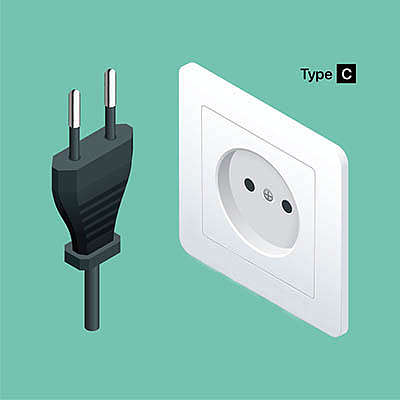
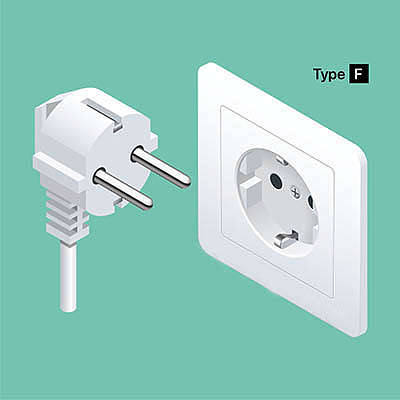
In Algeria, the standard voltage is 230 V and the frequency is 50 Hz. The country uses type C and type F power sockets. Type C is the plug which has two round pins and type F is the plug which has two round pins with two earth clips on the side.


Tours
View all toursNo featured routes yet
Route recommendations for this destination are coming soon.