Compare Top Local Operators
100% Free

Planning a trip to Guinea-Bissau?

Share your travel plans and get free itineraries and quotes from multiple trusted local operators.

Itineraries tailored to your travel plans Compare quotes from multiple local operators Connect directly with trusted local operators
Get Free Quotes

10k+ travelers have submitted inquiries

Guinea-Bissau - Travel Guide

4.0

Must-see attractions, popular activities, and featured local operators

West Africa

Guinea-Bissau is a hidden gem in West Africa, renowned for its rich biodiversity and vibrant culture. Travelers can explore the stunning Bijagós Archipelago, a UNESCO Biosphere Reserve, where pristine beaches, mangroves, and unique wildlife await. The capital city, Bissau, offers historical landmarks such as the Fortaleza de São José da Amura and the bustling Mercado Municipal. The country’s diverse culture is reflected in its lively music, traditional dance, and colorful festivals, particularly the lively Carnaval. Visitors can immerse themselves in local traditions, savor delicious dishes like jollof rice and fresh seafood, and experience the warmth of the Bissau-Guinean people, making it an unforgettable destination for adventurous travelers.
Attractions

Language

Guinea-Bissau is a linguistically diverse country where the official language is Portuguese, a remnant of its colonial past. However, the most widely spoken native language is Crioulo, a Portuguese-based creole that reflects the country’s rich cultural tapestry. Other indigenous languages, such as Balanta and Mandinka, are also prevalent among various ethnic groups.

Best Time to Visit

The best time to visit Guinea-Bissau is during the dry season, which typically runs from November to April. During these months, the weather is pleasant with lower humidity and minimal rainfall, making it ideal for exploring the country's stunning landscapes and vibrant culture. January and February are particularly favorable, as the temperatures are mild and wildlife is more active. Additionally, this period coincides with various local festivals, offering a unique opportunity to experience the rich traditions of the Bissau-Guinean people.

Month
Weather Overview
January
In January, Guinea-Bissau enjoys warm temperatures averaging 27°C (81°F) with low humidity, creating comfortable conditions. Rainfall is minimal, making it an ideal time for outdoor exploration.
February
February sees slightly warmer temperatures, around 28°C (82°F), with continued low precipitation and humidity. This month remains excellent for tourists seeking pleasant weather.
March
March maintains average temperatures of 28°C (82°F), while rainfall begins to increase slightly. Humidity starts to rise, but conditions are still favorable for outdoor activities.
April
April brings warmer days, averaging 29°C (84°F), and marks the beginning of the wet season with increasing rainfall, particularly towards the month's end. Humidity levels continue to climb.
May
May experiences average temperatures of 28°C (82°F) and significant rainfall as the wet season takes hold. Humidity is high, contributing to a lush landscape.
June
June sees temperatures around 27°C (81°F) with peak rainfall, bringing heavy showers. The humidity is very high, typical of the monsoon season, leading to a vibrant, green environment.
July
In July, temperatures remain around 26°C (79°F), and heavy rainfall continues. The high humidity can create a damp atmosphere, making it a less favorable time for travelers.
August
August mirrors July's conditions, with average temperatures at 26°C (79°F) and persistent heavy rainfall. Humidity remains extremely high, posing challenges for outdoor activities.
September
September brings a slight reprieve as rainfall begins to decrease, with temperatures around 26°C (79°F). Humidity remains high but starts to lower, making conditions more manageable.
October
October sees temperatures rising to about 27°C (81°F) as precipitation continues to decline. The humidity lessens, offering pleasant weather for those looking to explore.
November
In November, temperatures average 27°C (81°F) with minimal rainfall and low humidity. This month is ideal for travelers, providing comfortable conditions for various activities.
December
December features similar weather to November, with average temperatures around 27°C (81°F) and very low precipitation. The low humidity and pleasant climate make it a perfect time for travel and exploration.

Festivals

Month:9
Festival:Independence Day

Celebrating Guinea-Bissau's independence from Portugal in 1973, this national holiday is marked by patriotic parades, concerts, and speeches. Travelers can witness the country's pride and unity through cultural performances and public gatherings.

Month:2
Festival:Bissau Carnival

A lively, colorful festival held in the capital, Bissau, featuring street parades, traditional music, dance, and costumes. Visitors can enjoy the festive atmosphere and participate in the energetic celebrations of local culture.

Month:5
Festival:Día de los Héroes

This day honors the country's heroes of the independence struggle. Ceremonies, speeches, and cultural activities are held across the country, giving travelers a chance to learn more about Guinea-Bissau's history and its fight for freedom.

Month:8
Festival:Festa de Nossa Senhora da Ação de Graças

A Catholic festival dedicated to the Virgin Mary, celebrated with processions and religious ceremonies in various regions. Travelers can experience the blend of religious devotion and community spirit that defines this day.

Cuisine

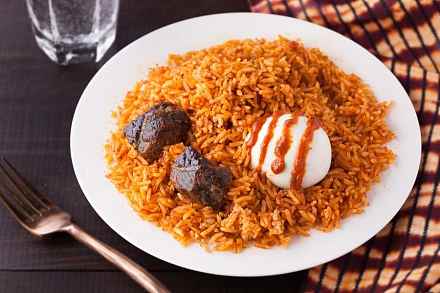
Jollof Rice

Jollof Rice

A popular West African dish made with rice, tomatoes, onions, and a variety of spices, often served with meat or fish. It is cooked by simmering the rice with a rich, flavorful tomato sauce.

Domodé

Domodé

A peanut-based stew made with ground peanuts, vegetables, and meat (often chicken or fish), cooked until the sauce thickens and is served over rice. The dish is known for its creamy texture and rich, savory flavor.

Caldo de Peixe

Caldo de Peixe

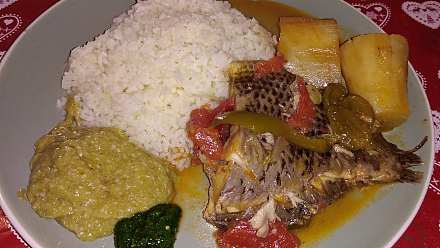
A traditional fish soup made with fresh fish, tomatoes, onions, and garlic, often flavored with local spices and served with rice or bread. It is a comforting, hearty dish commonly enjoyed by coastal communities.

Bacalhau

Bacalhau

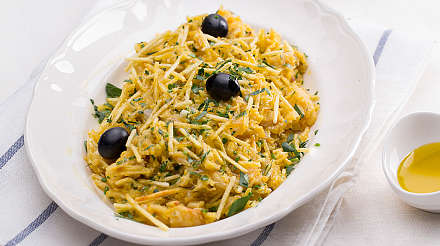
A Portuguese-influenced dish featuring salted cod, typically boiled or fried, and often served with vegetables or rice. The fish is soaked overnight to remove excess salt before cooking.

Fufu

Fufu

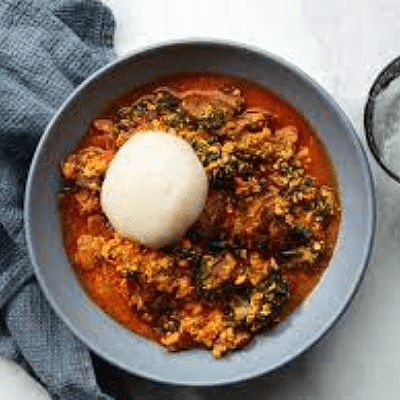
A starchy side dish made from cassava or yam, boiled, mashed, and served as a accompaniment to stews and sauces. It has a smooth, dough-like consistency and is a staple in many West African meals.

Cajú

Cajú

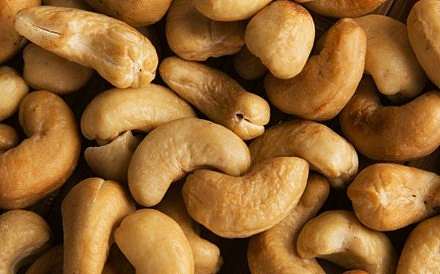
A refreshing drink made from the cashew fruit, blending its sweet and slightly tangy flavor with water and sugar. It is often served cold and is a popular choice during hot weather.

Tuba

Tuba

A traditional alcoholic drink made from the fermented sap of palm trees, giving it a sweet, mildly alcoholic flavor. It is typically enjoyed in rural areas and during communal gatherings.

Packing

When packing for a trip to Guinea-Bissau, prioritize lightweight, breathable clothing suitable for warm, humid weather. Opt for loose-fitting cotton or linen garments to stay comfortable during the day. Don't forget a wide-brimmed hat and sunglasses for sun protection. Sturdy sandals or walking shoes are essential for exploring both urban areas and nature. Include a light rain jacket, especially if traveling during the rainy season. Insect repellent is crucial to ward off mosquitoes, and a basic first-aid kit can be handy. Lastly, remember to pack sunscreen and a reusable water bottle to stay hydrated while enjoying the stunning landscapes and vibrant culture.

Currency

In Guinea-Bissau, the official currency is the West African CFA franc (XOF), which is subdivided into 100 centimes. Banknotes are available in denominations of 1,000, 2,000, 5,000, and 10,000 francs, while coins come in 1, 5, 10, 25, 50, and 100 francs. ATMs are available in major cities like Bissau, but they may not always accept foreign cards, so it's advisable to carry cash. Credit card acceptance is limited and typically restricted to larger hotels, restaurants, and shops in urban areas, making it essential for travelers to have sufficient local currency for daily expenses.

Transport

Guinea-Bissau's main international gateway is Osvaldo Vieira International Airport (BIS) in Bissau, which connects the country to several key destinations in West Africa. Within the country, transportation options include shared taxis (known as "alugueres"), buses, and motorbikes, which are common for local travel. Due to the limited infrastructure, roads can be rough, and travel times may be longer than expected. To navigate effectively, it's advisable to plan ahead, use local guides when possible, and stay flexible with your travel schedule, as transport availability can vary.

Emergency

Travelers should be mindful of certain cultural taboos, such as avoiding public displays of affection and being respectful when taking photographs, especially of people. It's also important to ask for permission before photographing individuals, as some may find it intrusive. When visiting traditional ceremonies or religious sites, dress modestly and observe local customs. In case of emergencies, the primary contact number for police assistance is 113, while medical emergencies can be reached at 112.

Power Sockets

Guinea-Bissau uses Type C and Type F power sockets, which are the standard two-prong plugs commonly found in Europe. The voltage level in the country is 220V, with a frequency of 50Hz.

Socket sample 1Socket sample 2

Tours

View all tours

No featured routes yet

Route recommendations for this destination are coming soon.

Tour operators

View all operators

No partner operators yet

Partner operators for this destination have not joined yet, stay tuned.