Compare Top Local Operators
100% Free

Planning a trip to Madagascar?

Share your travel plans and get free itineraries and quotes from multiple trusted local operators.

Itineraries tailored to your travel plans Compare quotes from multiple local operators Connect directly with trusted local operators
Get Free Quotes

10k+ travelers have submitted inquiries

Madagascar - Travel Guide

4.7

Must-see attractions, popular activities, and featured local operators

Southern Africa

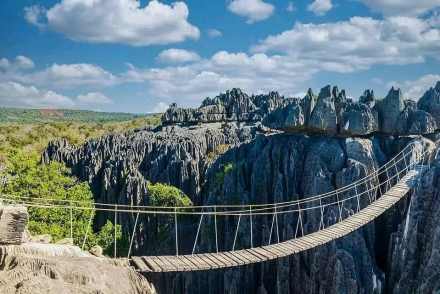
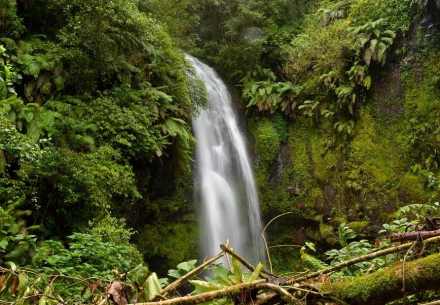
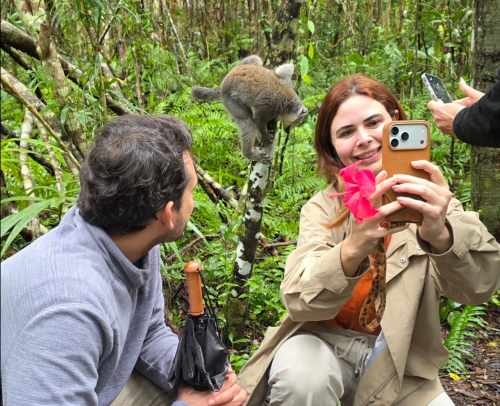
Madagascar, the fourth largest island in the world, is a treasure trove of natural wonders and cultural diversity. Renowned for its unparalleled biodiversity, the island boasts unique flora and fauna found nowhere else on Earth, including lemurs, baobab trees, and vibrant chameleons. Travelers can explore lush rainforests, pristine beaches, and towering limestone formations. Landmarks like Avenue of the Baobabs, Tsingy de Bemaraha National Park, and the stunning beaches of Nosy Be offer unforgettable experiences. Rich Malagasy culture, influenced by African, Asian, and European heritage, is evident in traditional music, dance, and cuisine, inviting visitors to immerse themselves in local traditions. Whether trekking through dense jungles, diving in crystal-clear waters, or discovering ancient traditions, Madagascar promises an extraordinary adventure for every traveler.

Attractions

Language

Madagascar's primary language is Malagasy, reflecting its Austronesian roots mixed with African, Arab, and Indian influences. French, a co-official language from colonial times, is widely used in government and education, especially in urban areas. English, adopted in 2007 to boost global engagement, is still limited mainly to tourism and business sectors, but its usage is gradually growing, particularly among younger generations and professionals.

Best Time to Visit

The best time to visit Madagascar is during the dry season, which runs from April to October. This period offers optimal weather conditions for exploring the island's diverse landscapes, from its lush rainforests to its stunning beaches. Wildlife viewing, especially of the island's unique lemurs, is excellent during these months, particularly towards the end of the dry season. The temperatures are comfortable, and the reduced rainfall means easier access to rural areas and national parks. Additionally, this season includes the cool months of June to August, ideal for those preferring milder climates. However, for those interested in witnessing the spectacular blooming of Madagascar's flora and the humpback whale migration, visiting between June and September is particularly rewarding.

Month
Weather Overview
January
The heart of the wet season, January features high temperatures (around 23-30°C) and significant rainfall, especially on the east coast and in the north. Humidity levels are high, making it feel hotter than it actually is.
February
Similar to January, February is hot and humid, with temperatures ranging from 23°C to 30°C. It's prone to cyclones, particularly in the northern and eastern regions, with heavy rainfall across the island.
March
The wet season continues with high temperatures (23-29°C) and decreased rainfall compared to the earlier months. Humidity remains high, and cyclone risk persists, especially in the first half of the month.
April
Marking the transition to the dry season, April sees a drop in humidity and rainfall, especially in the central and southern regions. Temperatures slightly decrease, averaging between 20°C and 28°C.
May
The dry season firmly establishes itself with reduced rainfall and humidity, making it more comfortable. Temperatures range from 16°C to 27°C, with cooler evenings.
June
One of the coolest months, June offers clear, dry days with temperatures between 14°C and 25°C. Humidity is low, making it ideal for exploring the outdoors.
July
Similar to June, July has cool temperatures (14-25°C) and low humidity. It's one of the driest months, especially in the southern and western parts of the island.
August
August continues the trend of cool, dry weather with temperatures ranging from 14°C to 26°C. It's an excellent month for wildlife viewing and outdoor activities.
September
Temperatures start to rise (16-27°C) as Madagascar approaches the wet season. It remains largely dry, though rainfall begins to increase towards the end of the month.
October
The transition month back to the wet season, October sees temperatures between 19°C and 29°C. Rainfall increases, especially in the north and east, while humidity starts to build up again.
November
The early wet season brings warmer temperatures (20-30°C) and increased rainfall, particularly in the eastern parts of Madagascar. Humidity levels rise, making it feel warmer.
December
Warm and humid, December experiences temperatures ranging from 22°C to 30°C with high rainfall, especially in the northern and eastern regions, marking the full onset of the wet season.

Festivals

Month:3
Festival:Alahamadi Be

Celebrated at the beginning of the Malagasy New Year, which usually falls at the end of March or the beginning of April. This festival is marked by joyous festivities, including traditional music, dance, and a communal feast. Travelers can experience the rich cultural heritage of Madagascar, as locals dress in colorful lambas (traditional garments) and share homemade meals and toaka gasy (local rum) in a communal setting.
Month:5
Festival:Donia Music Festival

Held annually in Nosy Be, usually in May. This vibrant music festival attracts artists and audiences from across the island and beyond, showcasing a wide range of musical genres, from traditional Malagasy sounds to contemporary styles. Visitors can enjoy live performances, explore the beautiful beaches of Nosy Be, and immerse themselves in the festive atmosphere that takes over the island.

Month:6
Festival:Malagasy Independence Day

To commemorate the country's independence from France in 1960. Festivities include parades, cultural exhibitions, and fireworks displays, providing travelers with an opportunity to witness national pride and unity.

Cuisine

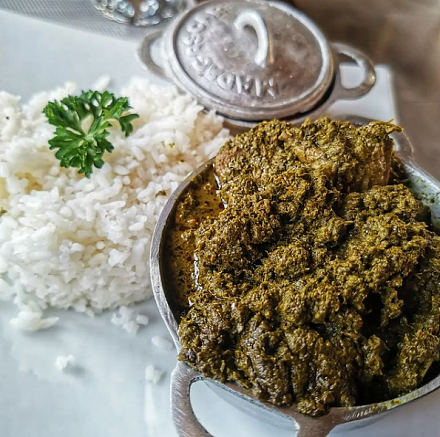
Romazava

Romazava

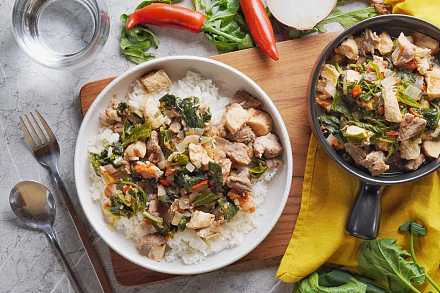
Romazava is a hearty Malagasy stew that embodies the essence of Madagascar's culinary traditions, made from a blend of local greens (such as anamamy and anamafaitra), beef, pork, or chicken, and flavored with tomatoes, onions, and garlic. This stew is simmered to perfection, creating a comforting and nutritious meal that is often considered Madagascar's national dish, symbolizing the melting pot of cultures on the island.

Mofo Gasy

Mofo Gasy

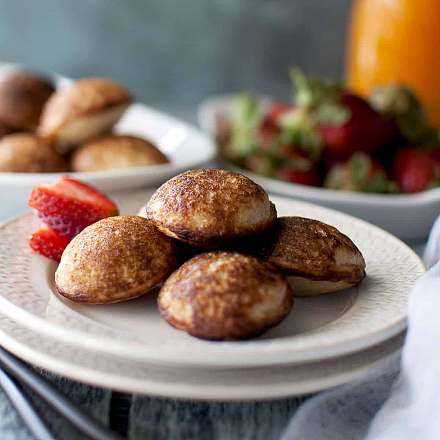
Mofo Gasy, meaning "Malagasy bread," is a popular breakfast food, consisting of rice flour, yeast, and sugar, cooked into small, sweet pancakes. Traditionally cooked over coals in a special circular pan, these pancakes are a beloved start to the day, often enjoyed with a cup of tea or coffee, reflecting the island's French colonial influence blended with local tastes.

Ravitoto

Ravitoto

A testament to the simplicity and depth of Malagasy cuisine, Ravitoto is a simple yet flavorful dish made from cassava leaves pounded into a paste, cooked with pork and coconut milk. This dish offers a creamy texture and rich flavors, representing the agricultural roots of Madagascar and the community's reliance on locally sourced ingredients.

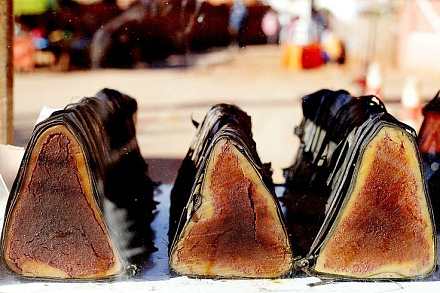
Koba

Koba

Koba is a traditional Malagasy snack that is both sweet and filling, made from a mixture of ground peanuts, rice flour, and banana, wrapped in banana leaves and steamed for several hours. This cylindrical cake is a favorite during travels and celebrations, embodying the spirit of sharing and community in Madagascar.

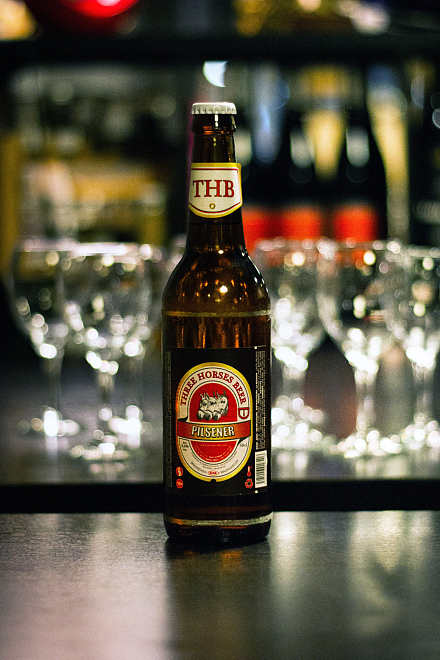
Three Horses Beer

Three Horses Beer

As Madagascar's most beloved beer, THB is a crisp, refreshing lager that has become a symbol of national pride. Brewed locally using high-quality ingredients, it accompanies meals and social gatherings, epitomizing the island's warm hospitality and communal culture.

Toaka Gasy

Toaka Gasy

Toaka Gasy is a traditional Malagasy rum, distilled from sugarcane or sometimes from the sap of palm trees, with a potent flavor and high alcohol content. Often homemade, this spirit is deeply ingrained in local customs and ceremonies, reflecting the island's history and the creativity of its people in utilizing native plants.

Packing

When visiting Madagascar, your packing list should be versatile to accommodate diverse climates and activities. Lightweight, breathable clothing is essential for the warm, humid days, while a few warmer layers are necessary for cooler evenings and higher altitudes. Waterproof gear, including a rain jacket and dry bags, is crucial if you're traveling during the rainy season or exploring rainforests. Comfortable hiking shoes are a must for exploring Madagascar's varied terrain, from national parks to beaches. Don’t forget a high SPF sunscreen, insect repellent, and a hat to protect against the sun and mosquitoes. Lastly, pack a good quality camera or binoculars for wildlife viewing, and consider a power adapter for charging your devices, as electrical outlets can vary.

Currency

The currency used in Madagascar is the Malagasy Ariary (MGA). Banknotes come in denominations of 100, 200, 500, 1000, 2000, 5000, 10,000, and 20,000 Ariary, while coins are in denominations of 1, 2, 4, 5, 10, 20, and 50 Ariary. ATMs are available in major cities and towns, but their reliability can vary, and they often have withdrawal limits. It's advisable to carry cash, especially when traveling outside of urban areas. Credit card acceptance is limited mainly to larger hotels, restaurants, and some shops in Antananarivo and other major cities. It's recommended to carry cash in smaller denominations for everyday expenses and to always have a backup payment method.

Transport

For international visitors, Ivato International Airport in Antananarivo is the main gateway, with other significant airports including Nosy Be and Toamasina for regional and some international flights. In-country travel is primarily through roadways, with taxi-brousses (shared taxis) being a popular and affordable way to travel between towns and cities, though journeys can be long and cramped. Rental cars are available but often come with the recommendation of hiring a local driver due to the challenging road conditions. Rail services are limited and more of a scenic adventure than a practical transportation option. For those looking to explore the coastal regions, boat travel is a viable option, especially to access remote areas and islands. When navigating Madagascar's transportation, it's advisable to plan for extra travel time, be prepared for unexpected delays, and always prioritize safety, especially on less-maintained roads and in remote areas.

Emergency

One significant taboo is the fady, a set of ancestral prohibitions that can vary significantly between regions and even villages. These might relate to food consumption, interactions with certain animals, or behaviors in sacred spaces. It's essential to ask local guides or community members about any fady in the area you're visiting to avoid unintentional disrespect. Additionally, pointing with a single finger and touching people's heads are considered rude. When it comes to emergencies, Madagascar has a general emergency number, 117 for police, 118 for fire, and 124 for medical emergencies. Always have local emergency numbers on hand and inform your embassy of your presence in Madagascar for added safety during your travels.

Power Sockets

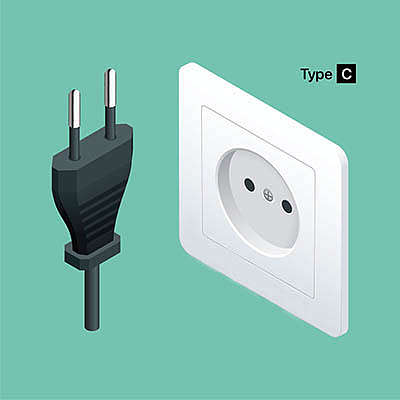
Madagascar operates on a 220V supply voltage and 50Hz. The country uses two main types of power sockets: Type C, which is the standard "Euro" plug with two round pins, and Type E, which has two round pins and a hole for the socket's male earthing pin.

Socket sample 1Socket sample 2

Tours

View all tours

Tour operators

View all operators