Compare Top Local Operators
100% Free

Planning a trip to Mauritania?

Share your travel plans and get free itineraries and quotes from multiple trusted local operators.

Itineraries tailored to your travel plans Compare quotes from multiple local operators Connect directly with trusted local operators
Get Free Quotes

10k+ travelers have submitted inquiries

Mauritania - Travel Guide

4.0

Must-see attractions, popular activities, and featured local operators

West Africa

Mauritania, located in West Africa, offers travelers a unique blend of desert landscapes and rich cultural heritage. Known for its vast Sahara Desert, visitors can experience the majestic dunes of the Banc d'Arguin National Park, a UNESCO World Heritage site teeming with wildlife. The ancient city of Chinguetti, once a vital trading hub, showcases stunning mudbrick architecture and historic libraries filled with ancient manuscripts. Mauritania's vibrant culture is reflected in its traditional music, colorful festivals, and the warm hospitality of the Moorish people. Travelers can indulge in local cuisine, featuring dishes like mechoui (roasted lamb) and tagines, while exploring bustling markets that highlight the country's artisanal crafts. With its captivating landscapes and rich history, Mauritania offers an unforgettable adventure for those seeking an off-the-beaten-path destination.

Attractions

Language

Mauritania's linguistic landscape is diverse, with Arabic as the official language and widely spoken by the majority of the population. The local dialect, Hassaniya Arabic, reflects the country's cultural heritage. In addition to Arabic, French is commonly used in administration, education, and business due to the country's colonial history. While English is increasingly being taught in schools and is gaining popularity, particularly among younger generations and in urban areas, it is not as widely spoken.

Best Time to Visit

The best time to visit Mauritania is during the cooler months, from November to February, when temperatures are more comfortable for exploring the country's vast deserts and historical sites. During this period, daytime temperatures range from 20°C to 25°C (68°F to 77°F), making it ideal for outdoor activities. Additionally, this is the dry season, minimizing the chances of rain and allowing for clearer skies and better visibility.

Month
Weather Overview
January
January is one of the coolest months in Mauritania, with daytime temperatures averaging 20°C to 25°C (68°F to 77°F) and cooler nights. Precipitation is minimal, and humidity levels are low, making it a great time for outdoor activities.
February
February continues the trend of mild weather, with daytime highs similar to January. Nights can be chilly, dropping to around 12°C (54°F). Rainfall remains scarce, and humidity stays low, perfect for exploring.
March
March sees a gradual increase in temperatures, reaching 25°C to 30°C (77°F to 86°F) during the day. Nights remain cool, but humidity begins to rise slightly. Precipitation is still low, making it a pleasant time to visit.
April
April brings warmer temperatures, often ranging from 28°C to 35°C (82°F to 95°F). Humidity starts to increase, and the dry season continues, with little to no rainfall. Travelers should prepare for warmer days.
May
May is hot, with daytime temperatures frequently exceeding 35°C (95°F). Nights are warmer, and humidity levels rise. Precipitation is still rare, but the heat can be intense, especially in the desert regions.
June
June marks the beginning of the hot season, with temperatures soaring to 38°C (100°F) or more during the day. Humidity continues to increase, and while rainfall is minimal, the heat can be oppressive.
July
July is one of the hottest months, with daytime highs often reaching 40°C (104°F). Humidity levels are high, and occasional thunderstorms may occur, particularly in the southern regions. It's essential to stay hydrated.
August
August remains extremely hot, with temperatures still around 38°C to 40°C (100°F to 104°F). Humidity remains high, and the chance of rain increases slightly, particularly in southern areas, providing some relief from the heat.
September
September sees a gradual decrease in temperatures, ranging from 35°C to 38°C (95°F to 100°F). Humidity remains high, but rainfall starts to become more frequent, especially in the south, signaling the end of the hot season.
October
October brings more comfortable weather, with temperatures falling to 28°C to 32°C (82°F to 90°F) during the day. Humidity starts to decline, and rainfall decreases, making it a pleasant time to explore.
November
November features cooler temperatures, ranging from 20°C to 25°C (68°F to 77°F). Humidity is low, and precipitation is minimal, marking the start of the ideal travel season for outdoor activities.
December
December is similar to November, with pleasant daytime temperatures and cool nights. Humidity levels are low, and rainfall is rare, making it a perfect time for visitors to enjoy Mauritania's landscapes and culture.
Festivals

Month:10
Festival:Mauritania Independence Day

Celebrated on November 28, Mauritania's Independence Day marks its liberation from France in 1960. Travelers can experience patriotic parades, music, dance performances, and various cultural exhibitions reflecting the country's rich heritage and national pride.

Month:1
Festival:Festival of the Desert

The Festival of the Desert is held annually in the Sahara during January, celebrating Mauritania's nomadic culture. Visitors can experience Tuareg music, camel races, traditional dances, and artisan markets, offering a unique blend of desert life and cultural heritage.

Cuisine

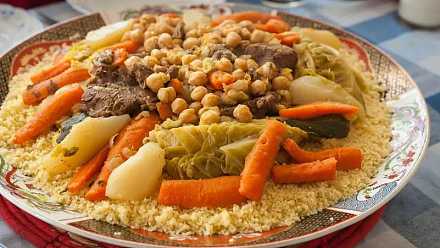
Couscous

Couscous

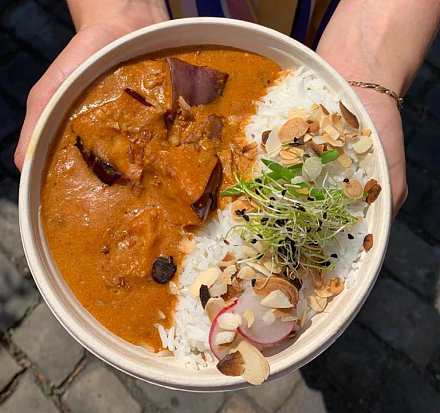
A staple dish made with steamed couscous, served with a stew of fish, vegetables, and aromatic spices like saffron and cumin.

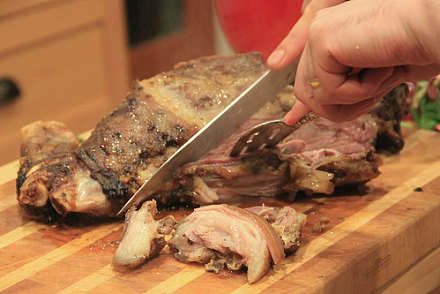
Mechoui

Mechoui

A traditional dish of slow-roasted lamb or mutton, often prepared for special occasions, seasoned with spices and served with flatbread or rice.

Mafé

Mafé

A rich, flavorful stew made with meat (usually lamb or chicken), peanut butter, and vegetables, served with rice or couscous.

Zrig

Zrig

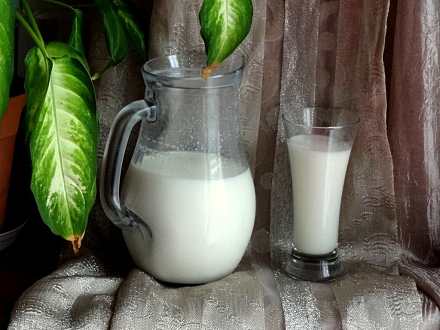
A refreshing drink made from fermented camel or cow's milk, lightly salted and served cold, often consumed as a refreshing beverage in the desert heat.

Boulle

Boulle

A traditional Mauritanian dish made from boiled millet or sorghum, often served with a hearty meat or vegetable stew.

Hareira

Hareira

A thick, spiced soup made from tomatoes, lentils, and chickpeas, often served with bread, providing a hearty and nutritious meal, especially during fasting periods.

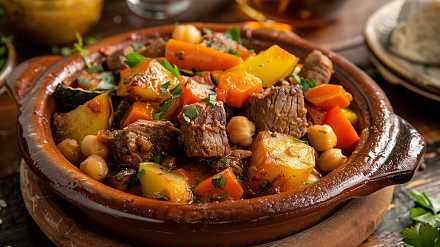
Tagine

Tagine

A slow-cooked stew made with meat (often lamb or chicken), vegetables, and spices, cooked in a traditional clay pot, and served with bread or couscous.

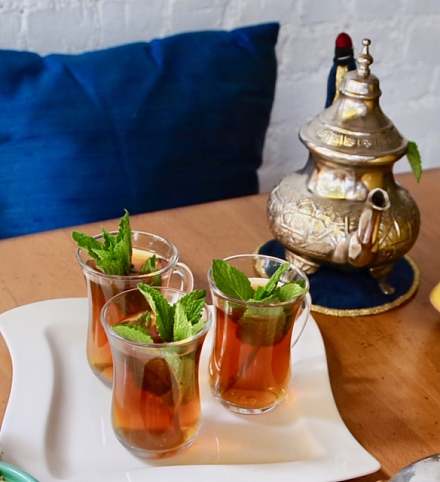
Mint Tea

Mint Tea

A popular beverage in Mauritania, mint tea is made by boiling green tea with fresh mint leaves and a generous amount of sugar, creating a sweet and refreshing drink often served during social gatherings.

Packing

When visiting Mauritania, lightweight, breathable clothing is crucial for the hot daytime temperatures, with long sleeves and pants recommended to protect against the sun and insects. A wide-brimmed hat, sunglasses, and sunscreen will help shield you from the intense sun. Sturdy walking shoes are ideal for exploring diverse terrains, while a pair of sandals can offer comfort in more relaxed settings. Don't forget a reusable water bottle to stay hydrated, along with a basic first-aid kit and any necessary medications. Lastly, a light jacket or sweater is useful for cooler evenings, particularly in the desert.

Currency

In Mauritania, the official currency is the Mauritanian ouguiya (MRU). The currency is available in both coins and banknotes, with denominations of 1, 5, 10, 20, 50, 100, 200, and 500 ouguiyas. ATMs are available in major cities like Nouakchott and Nouadhibou, but they may not always accept foreign cards, so it's advisable to carry cash. Credit cards are accepted in some hotels, restaurants, and larger businesses, but cash remains the preferred method of payment, especially in rural areas and local markets. Travelers should plan accordingly and exchange some currency before their arrival for convenience.

Transport

Mauritania's main international gateway is Nouakchott-Oumtounsy International Airport (NKC), located about 25 km from the capital, Nouakchott. For in-country travel, visitors can choose from buses, shared taxis (known as "sept-place" for their seven-passenger capacity), and rental cars, with the latter being ideal for exploring remote areas. Although the road conditions can vary, major routes are generally accessible. It's advisable to book transport in advance, especially during peak travel seasons, and to negotiate fares upfront for shared taxis. For a more authentic experience, consider using local buses, but be prepared for potential delays and crowded conditions.

Emergency

When traveling to Mauritania, both men and women should dress conservatively, with women often required to cover their arms and legs. Additionally, public displays of affection and open discussions about religion or politics can be considered disrespectful. As for emergencies, the local emergency number is 18 for police, 15 for medical emergencies, and 17 for fire services.

Power Sockets

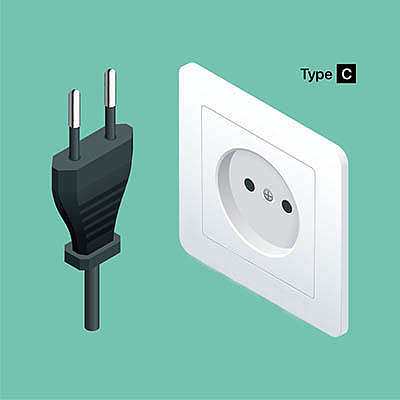
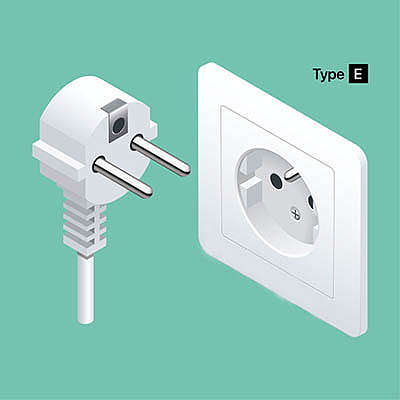
In Mauritania, the standard voltage is 220V with a frequency of 50Hz. The country predominantly uses Type C and Type E power sockets, which feature two round pins.

Socket sample 1Socket sample 2

Tours

View all tours

No featured routes yet

Route recommendations for this destination are coming soon.

Tour operators

View all operators