Djanet - Attraction Guide
Djanet
Planning a trip to Algeria/Djanet?
Share your travel plans and get free itineraries and quotes from multiple trusted local operators.
10k+ travelers have submitted inquiries
Djanet, Algeria: Sahara Adventures and Ancient Rock Art
Djanet is an oasis town in southeastern Algeria and the main starting point for exploring Tassili n’Ajjer, a UNESCO World Heritage Site containing more than 15,000 prehistoric drawings and engravings. The best time to visit is October to March, when daytime temperatures are generally more manageable for desert excursions, hiking and overnight camping.
Situated in the heart of the Algerian Sahara, Djanet offers access to an extraordinary combination of sandstone plateaus, red sand dunes, ancient rock art and traditional Tuareg culture. Unlike the more developed desert destinations of North Africa, this remote region retains a strong connection to its nomadic heritage. Most visitors spend between 5 and 8 days exploring the surrounding desert, often combining a journey through Tassili n’Ajjer with the striking formations of Tadrart Rouge.
Want to visit Djanet?
Compare 5 quality local operators, get custom itinerary and exclusive quotes
Exploring the Natural and Historical Attractions Around Djanet
Tassili n’Ajjer National Park: A Vast Open-Air Museum
The most significant attraction around Djanet is Tassili n’Ajjer, an enormous sandstone plateau recognized as a UNESCO World Heritage Site in 1982. Covering approximately 72,000 square kilometres, this protected area is internationally recognized for its geological formations and exceptional collection of prehistoric rock art.
UNESCO records more than 15,000 drawings and engravings across the property. These images span a period beginning around 6000 BC and extending into the first centuries AD. They depict cattle, wild animals, hunting scenes, human figures and everyday activities, providing evidence of a time when parts of the Sahara supported very different environmental conditions from those seen today.
The rock formations are equally remarkable. Wind and water have gradually sculpted the sandstone into narrow passages, towering pillars, natural arches and formations resembling enormous stone forests. The contrast between pale sandstone and the surrounding desert creates constantly changing colours as the sun moves across the plateau.
One of the most fascinating areas is the prehistoric rock art zone around Sefar, which contains numerous painted shelters and ancient representations of human and animal life. Jabbaren is another important archaeological area, known for its extensive collection of prehistoric paintings. Tamrit is particularly interesting for its combination of rock art and ancient Saharan cypress trees, a rare reminder of the region's wetter ecological past.
Exploring the high plateau generally involves walking rather than simply driving between viewpoints. Some routes include steep ascents, uneven sandstone surfaces and several hours of hiking each day. Local Tuareg guides are essential for navigating the terrain, identifying archaeological sites and understanding the significance of the artwork. Never touch, wet or mark the paintings, as even minor physical contact can contribute to their deterioration.
Tadrart Rouge: Red Dunes and Dramatic Sandstone Formations
Southeast of Djanet, Tadrart Rouge is one of the region's most visually striking desert areas. Its name refers to the reddish tones of its sand and sandstone, which become particularly vivid during the early morning and late afternoon.
Unlike the elevated plateau of Tassili n’Ajjer, Tadrart Rouge is characterized by sweeping dunes, isolated rock towers, natural arches and broad sandy valleys. The terrain changes repeatedly along the route, moving from open desert to narrow sandstone corridors and sheltered valleys. This variety makes it especially appealing to photographers and travellers who want to experience several different Saharan environments in one expedition.
Among the best-known formations is Tikoubaouine, a distinctive natural rock arch surrounded by desert scenery. Its weathered sandstone structure is particularly impressive when viewed against the open sky. Other locations along the Tadrart routes feature sculpted rock pillars, secluded passages and prehistoric engravings that are easily overlooked without someone familiar with the area.
A typical Tadrart Rouge expedition lasts approximately 3 to 5 days, although longer itineraries can include additional archaeological sites and remote camping locations. Most journeys use four-wheel-drive vehicles, with several stops for walking and photography. Sleeping in a desert bivouac is one of the defining experiences of the region. With little artificial lighting, the night sky can reveal an extraordinary number of stars.
For travellers with limited time or less interest in extended hiking, Tadrart Rouge is often a practical choice. Much of the region can be explored by 4x4, although walking remains necessary to reach some formations and viewpoints. I would recommend allowing at least three days rather than trying to cover the area as a rushed day trip from Djanet.
Erg Admer: An Expansive Sea of Saharan Sand
Erg Admer is a large dune field located near Djanet and the surrounding sandstone mountains. It provides a very different desert experience from the rocky plateaus and narrow canyons of Tassili n’Ajjer.
The dunes form broad waves of golden sand, with their shapes constantly altered by the wind. During the morning, the sand often appears pale and soft, while sunset brings warmer orange and copper tones. The changing light makes this an excellent location for landscape photography.
Because of its proximity to Djanet, Erg Admer can be included in a shorter excursion or combined with a longer desert expedition. Four-wheel-drive vehicles are commonly used to reach suitable dune areas, and visitors can spend time walking across the sand or watching the sunset from higher viewpoints.
An overnight stay near the dunes offers a particularly different perspective. After sunset, temperatures fall quickly, and the desert becomes noticeably quieter. Travellers interested in stargazing should ask their local operator to choose a camping location away from vehicle lights and other camps.
Essendilène Canyon and Its Desert Oasis
Essendilène is a scenic canyon in the Tassili region, known for its narrow rock passages, unusual sandstone formations and pockets of vegetation. It offers a welcome contrast to the exposed dunes and dry rocky plains that dominate much of the surrounding Sahara.
The route passes between weathered rock walls, with occasional patches of greenery and small water pools depending on recent conditions. The vegetation is especially interesting because it reveals how water can sustain isolated ecosystems even in an extremely arid environment.
Exploring the canyon involves a combination of off-road driving and walking. Some sections are narrow and uneven, so sturdy footwear is preferable to ordinary sandals. The walking experience is generally more intimate than the broad desert views around Erg Admer, making Essendilène a good addition to an itinerary focused on geological variety.
Water conditions are not guaranteed throughout the year. Visitors should not assume that permanent pools or flowing water will be present during their visit. A local guide can advise on current conditions and the most suitable walking route.
Iherir Oasis: A Different Side of the Sahara
Iherir, also known as Ihrir, is a remote oasis settlement within the broader Tassili n’Ajjer region. It is known for its valley environment, water sources, traditional settlements and distinctive desert vegetation.
The oasis is particularly interesting because it demonstrates that the Sahara is not simply a continuous expanse of sand. Rocky valleys, seasonal watercourses and areas of permanent or intermittent water support plant and animal life that would be difficult to imagine from the surrounding dry plateau.
The wider Iherir area also has archaeological significance. Its prehistoric remains and rock art reflect the long history of human settlement in the region, when environmental conditions supported different patterns of pastoralism and movement.
Reaching Iherir generally requires a dedicated off-road excursion and careful logistical planning. It is not a convenient stop for travellers with only one or two days in Djanet. Those with a week or more can consider adding it to a longer regional itinerary, particularly if they want to experience quieter settlements beyond the better-known Tadrart routes.
Djanet's Local Culture and Practical Travel Planning
Discovering Tuareg Culture in Djanet
Djanet is an important cultural centre for the Kel Ajjer Tuareg communities, whose history is closely connected to the Sahara. Their traditions include distinctive clothing, music, craftsmanship, oral storytelling and knowledge of desert navigation. These cultural practices remain part of everyday community life rather than simply being historical attractions.
The town itself provides a useful introduction to this heritage. Visitors can explore the traditional settlement, walk through the palm grove and observe local architecture adapted to the desert environment. The old ksar is particularly interesting for its traditional buildings and narrow passages, which contrast with the open spaces of the surrounding Sahara.
Local handicrafts provide another insight into Tuareg culture. Silver jewellery, leatherwork and traditional decorative objects reflect techniques passed between generations. When purchasing souvenirs, I recommend buying directly from local craftspeople whenever possible. It is a more meaningful way to support the community and learn about the work behind each piece.
Food is another part of the cultural experience. Taguella, a traditional flatbread cooked in hot sand and embers, is closely associated with Tuareg hospitality. It is often served with sauces, meat or other simple accompaniments. Mint tea is also central to social gatherings and is commonly prepared and served during visits and desert camps.
Sebeïba Festival: An Important Tuareg Cultural Tradition
One of the most significant cultural events in Djanet is the Sebeïba ritual and ceremonies, recognized by UNESCO as Intangible Cultural Heritage in 2014. The tradition is practised by two communities living in the oasis and represents an important expression of Tuareg identity and social cohesion.
The ceremonies take place over ten days during the first month of the Islamic lunar calendar. A nine-day competition called Timoulawine precedes the main ritual. Male dancers and female singers represent their respective communities, with the winning participants taking part in the concluding Sebeïba ceremony.
During the main event, male participants dress in traditional warrior clothing and perform coordinated movements with their swords, while women sing traditional songs accompanied by tambourines. The ritual takes place at a location known as Loghya, bringing together participants and members of the local communities.
The festival is more than a public performance. Its traditions symbolically transform historical rivalries into artistic competition, reinforcing relationships between the participating communities. Traditional clothing, jewellery, weapons and musical instruments are also maintained by local craftspeople who contribute to the continuity of the ceremony.
The exact festival dates change according to the Islamic lunar calendar. Visitors hoping to attend should confirm the annual dates with local organisers or an established Djanet operator before booking flights. It is also worth remembering that the festival takes place during a period that may not offer the most comfortable conditions for extended desert trekking.
Best Time to Visit Djanet and Seasonal Weather
The main travel season in Djanet runs from October to March, when conditions are generally more suitable for exploring the Sahara. April can also be considered, although temperatures begin to rise and occasional desert winds may affect visibility.
October and November offer warm days and relatively comfortable nights. These months are particularly attractive for travellers who want to combine hiking, 4x4 excursions and overnight camping without the colder nighttime temperatures associated with winter.
December, January and February are popular months for desert expeditions. Daytime temperatures are generally pleasant, often around 18–25°C in winter, but temperatures can fall close to or below 0°C on elevated parts of the Tassili plateau at night. A warm sleeping bag and insulated clothing are essential for anyone planning a multi-day trek or bivouac.
March is another good option, with increasingly warm daytime conditions and generally manageable nights. However, wind and occasional sandstorms can affect visibility, so flexible scheduling is useful.
May through September is considerably less suitable for most visitors. Daytime temperatures can exceed 40°C, making long walks and extended desert excursions physically demanding. Some operators reduce or suspend their regular itineraries during the hottest months.
My preference would be November or March for a balanced trip. Both offer a good combination of outdoor comfort and opportunities for photography, while avoiding some of the busiest winter holiday periods. Travellers interested in celebrating New Year's Eve in the desert should reserve their flights and expedition well in advance.
How to Get to Djanet and Explore the Surrounding Desert
Flying is the most practical way to reach Djanet from northern Algeria. Most international visitors arrive in Algiers before taking a domestic flight to Djanet. The journey from Algiers generally takes around 2 to 2.5 hours, although flight schedules and connections vary by season.
Djanet's airport is located outside the town, so an airport transfer should be arranged before arrival. Domestic flight availability can be limited compared with major Algerian cities, particularly during the busy winter travel season. It is sensible to confirm the flight schedule with the airline or local operator before finalizing the rest of the itinerary.
Driving from northern Algeria is possible in principle, but the distances are considerable and desert travel requires careful preparation. It is not a practical substitute for flying on a short holiday. Visitors should avoid attempting remote desert routes independently.
Once in Djanet, most major attractions require a four-wheel-drive vehicle, an authorized local operator and an experienced Tuareg guide. Tassili n’Ajjer's elevated rock art areas also involve walking and, on some routes, multi-day trekking. Certain expeditions use camels or donkeys to transport equipment and supplies.
Travel arrangements should be confirmed before arrival. Ask the operator to clarify the itinerary, transport, guide services, meals, camping equipment, park-related authorizations and airport transfers. Requirements for protected areas and travel in the far south can change, so visitors should confirm the latest arrangements with the relevant Algerian authorities and their licensed operator.
International visitors should also check visa requirements for their nationality with an Algerian embassy or consulate. Special arrangements may apply to organized tourism in the southern regions, but visa-on-arrival eligibility should never be assumed without confirmation. Government travel advisories should be reviewed before booking, particularly because some remote border areas have additional security restrictions.
Accommodation, Packing and Essential Visitor Advice
Accommodation in Djanet includes local hotels, guesthouses and organized desert camps. The town is the most convenient base for visitors who want access to restaurants, local services and shorter excursions. Multi-day expeditions generally include overnight stays in temporary desert camps, where facilities are much more basic.
For a comfortable trip, bring lightweight clothing for daytime, warm layers for the evenings and a good sleeping bag if your itinerary includes overnight camping. Temperatures can change sharply after sunset, particularly on the high plateau. Sturdy walking shoes are preferable for rocky routes, while sunglasses, sunscreen, a wide-brimmed hat and a headlamp are useful throughout the expedition.
Cash is also worth carrying. Payment card acceptance and banking services can be limited in remote Saharan settlements, so visitors should confirm payment arrangements with their accommodation and tour operator in advance. Bring sufficient personal medication, as access to pharmacies and medical facilities is more limited than in northern Algeria.
Mobile connectivity may be unreliable outside the town. Do not depend on continuous internet access for navigation or emergency communication. For remote expeditions, confirm that your operator has suitable communication equipment and an emergency plan.
Respect for the local environment is essential. Take all rubbish back with you, avoid disturbing wildlife and never remove archaeological objects. Ask permission before photographing local residents, especially during religious or cultural ceremonies. These small considerations make a real difference in a region where community traditions and fragile archaeological remains deserve careful protection.
Want to visit Djanet?
Compare 5 quality local operators, get custom itinerary and exclusive quotes
Frequently Asked Questions
How many days should I spend in Djanet?
Allow at least 5 days for a meaningful visit, although 7–8 days provide more flexibility. A shorter itinerary can cover Tadrart Rouge and nearby dunes, while a longer expedition can include the Tassili plateau, Essendilène or Iherir.
Is a local guide necessary for visiting Tassili n’Ajjer?
Yes, visitors should arrange their expedition through an authorized local operator with an experienced guide. Access to protected areas is regulated, and remote routes require local knowledge, logistical support and appropriate authorizations.
Can I visit Djanet during the summer?
Summer travel is generally discouraged because daytime temperatures can exceed 40°C between May and September. Most extended desert excursions are concentrated between October and March, when conditions are considerably more manageable.
Is Djanet suitable for travellers who do not enjoy trekking?
Yes. Tadrart Rouge and Erg Admer can be explored largely by 4x4, with shorter walks to selected viewpoints and rock formations. However, reaching important sites on the high Tassili plateau requires more substantial walking, so travellers should choose an itinerary that matches their fitness level.
Is Djanet the same as Tassili n’Ajjer?
No. Djanet is the oasis town that serves as a major starting point for exploring the wider Tassili n’Ajjer region. The UNESCO-listed property extends across approximately 72,000 square kilometres and includes numerous geological, archaeological and ecological sites beyond the town itself.
Djanet |Tours
View All Tours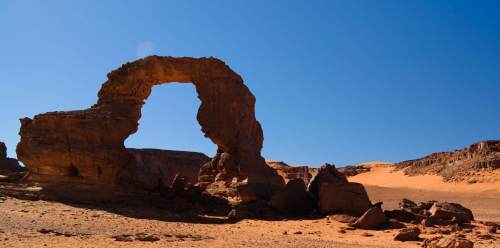

— All loaded —