Omo Valley - Attraction Guide
Omo Valley
Planning a trip to Ethiopia/Omo Valley?
Share your travel plans and get free itineraries and quotes from multiple trusted local operators.
10k+ travelers have submitted inquiries
Traveling the Lower Omo Valley in Southern Ethiopia
The Lower Omo Valley encompasses approximately 165 square kilometers of UNESCO-protected territory in the Southern Nations, Nationalities, and Peoples' Region, serving as the ancestral home to over 16 distinct ethnic groups. Visiting this part of Ethiopia requires navigating complex social protocols and rugged terrain where roads often become impassable during the primary rainy seasons of April and May. The region gained international recognition when UNESCO designated it a World Heritage site in 1980, primarily due to its significant fossil records that have reshaped our understanding of human evolution.
Most travelers begin their journey in Jinka, a town situated at an elevation of roughly 1,490 meters. This altitude provides a temporary break from the intense heat of the lowlands before the descent toward the Omo River, which flows 760 kilometers from the central highlands to Lake Turkana on the Kenyan border. Travelers should expect daily temperatures in the lower plains to frequently exceed 35 degrees Celsius (95 degrees Fahrenheit), particularly in the dry months of January and February.
Want to visit Omo Valley?
Compare 5 quality local operators, get custom itinerary and exclusive quotes
Tribal Traditions and Cultural Persistence
The Hamer People and Bull Jumping Rites
The Hamer people are one of the most populous groups in the valley, centered largely around the town of Turmi. Their social structure is defined by the Ukuli Bula, or bull jumping ceremony, which serves as a rite of passage for young men transitioning into adulthood. During this event, the initiate must run across the backs of several cattle held in a row (usually between 7 and 15 animals) four times without falling. Failure to complete the task results in social disgrace, while success allows the man to marry and own cattle.
Attending a bull jumping ceremony is rarely a scheduled event on a tourist calendar; it happens when a family is ready and has the resources to host the community. You should stay flexible in Turmi for at least three days if seeing a ceremony is a priority—local guides often hear about upcoming events through word-of-mouth networks that operate faster than any digital communication. The ceremony also involves the Maz, a group of already initiated men who oversee the ritual, and traditional dancing known as the Evangadi, which occurs under the moonlight.
Mursi Lip Plates and Village Dynamics
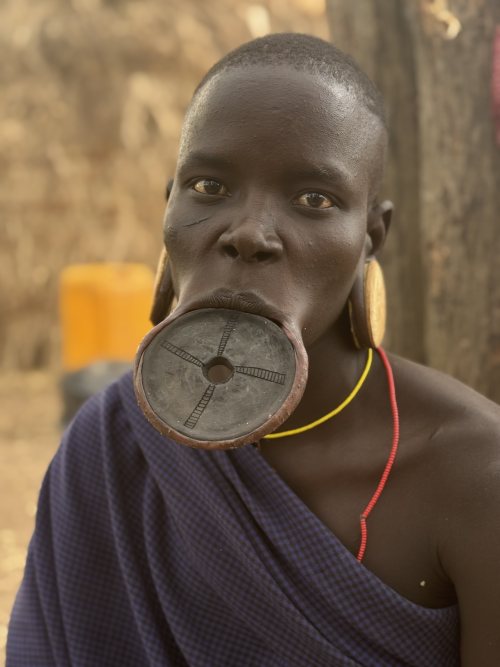
The Mursi reside primarily within the boundaries of Mago National Park, a protected area covering about 2,162 square kilometers. They are perhaps the most visually distinct group in the valley due to the clay or wooden plates worn by women in their lower lips. This practice typically begins when a girl reaches the age of 15 or 16, involving the removal of several lower teeth to accommodate the plate. While many external observers view this purely as an aesthetic choice, the Mursi associate the plate with female strength and tribal identity.
Visiting a Mursi village can feel transactional and intense due to the high demand for photography. To avoid the aggressive atmosphere often found in villages closest to the park entrance, I suggest traveling further into the park to less-visited settlements. These interactions tend to be more relaxed—a detail that many standard tour operators overlook in favor of shorter driving times. Be prepared to pay an entrance fee to the village, which usually sits around 200 to 300 ETB, and remember that an armed scout from the park headquarters is a mandatory requirement for all visitors entering Mursi territory.
Logistics of Remote Travel in the Omo Region
Market Day Schedules in Turmi and Jinka
Markets are the social and economic engines of the Omo Valley, where people walk for dozens of miles to trade goats, honey, grain, and hand-crafted tools. Jinka hosts its largest market on Saturdays, attracting the Ari and Banna people who bring produce from the surrounding hills. This market is excellent for purchasing local coffee or high-quality honey, which is a staple of the regional diet. Unlike the more tourist-centric village visits, the markets offer a chance to observe natural interactions where the focus is on commerce rather than visitors.
In the southern reaches of the valley, Turmi holds its primary markets on Mondays and Thursdays. These gatherings are dominated by the Hamer, who use the occasion to socialize and exchange information about upcoming ceremonies. Additionally, Dimeka—located between Jinka and Turmi—hosts significant markets on Tuesdays and Saturdays. I find the Dimeka market to be the most authentic in terms of atmosphere, as it remains slightly less crowded by tour groups than the Turmi equivalent.
Navigating Photography Fees and Village Ethics
Photography in the Omo Valley is a complicated business that requires clear communication before you ever take a camera out of your bag. The standard practice has long been a per-photo fee, usually ranging from 5 to 10 ETB per person appearing in the frame. This system often leads to a chaotic environment where children crowd around photographers (sometimes quite insistently) to secure a payment. To mitigate this, I recommend negotiating a lump sum with the village head or the individuals you wish to photograph before starting your session.
Paying a flat fee for twenty minutes of photography often results in more natural portraits and less stress for everyone involved. It is also helpful to hire a guide who speaks the specific local dialect of the tribe you are visiting, rather than just Amharic. Communication barriers are the primary cause of tension in these villages; when you can explain why you want to take a photo or ask about the significance of a piece of jewelry, the interaction shifts from a transaction to a conversation.
Environmental Shifts and Historical Context
Impact of the Gibe III Dam
The construction and 2015 completion of the Gibe III dam on the upper Omo River has fundamentally altered the ecology of the valley. Historically, the river would flood its banks annually, depositing nutrient-rich silt that allowed tribes like the Karo and Nyangatom to practice flood-retreat agriculture. With the dam regulating the water flow, these natural floods have largely ceased, forcing many communities to rely on unpredictable rainfall or government-led irrigation schemes. This shift has increased the volatility of food security in the region, making the income from tourism more vital—and yet more disruptive—than in previous decades.
Local communities have had to adapt by shifting their focus toward livestock or seeking labor in the large-scale sugar plantations that have emerged along the river. When you visit the Karo villages overlooking the river bends, such as Kolcho, you can see the visible changes in the water levels. The Karo are one of the smallest ethnic groups in the valley, numbering fewer than 2,000 individuals, and their reliance on the river makes them particularly vulnerable to these environmental changes.
Archaeological Importance of the Lower Omo
Beyond the living cultures, the geological formations of the Omo Valley provide a window into the deep past. The Shungura and Usno Formations have yielded over 50,000 fossils, including those of Australopithecus and early Homo sapiens. In 1967, Richard Leakey's team discovered the Omo I and Omo II skulls, which were dated to approximately 195,000 years ago, making them some of the oldest known examples of modern humans at the time of their discovery.
Most visitors never see the actual excavation sites, as they are remote and lack tourist infrastructure, but the National Museum in Addis Ababa houses many of the significant finds. However, the sheer scale of the sedimentary layers visible as you drive through the valley is a reminder of the millions of years of history beneath your feet. The transition from the high plateaus of the Rift Valley to the ancient lake beds of the south is a geographic journey that mirrors the human evolutionary timeline.
Want to visit Omo Valley?
Compare 5 quality local operators, get custom itinerary and exclusive quotes
Frequently Asked Questions
What is the best month to visit the Omo Valley?
The most reliable months for travel are June through August and October through January, as these periods avoid the heavy rains that turn the local tracks into impassable mud. Visiting in late June often coincides with the start of the bull jumping season for the Hamer people, while the January dry spell offers the easiest access to the Mursi villages in Mago National Park.
How much should I budget for village entry fees and scouts?
Village entry fees typically range from 200 to 500 ETB per person, while the mandatory armed scout for Mago National Park costs approximately 400 to 600 ETB per group. You should also account for a local guide fee, which usually starts at around 1,000 ETB per day depending on your negotiation and the complexity of the itinerary.
Do I need a 4x4 vehicle to travel between Jinka and Turmi?
While the main road between Jinka and Turmi has seen significant improvements, a 4x4 vehicle remains essential for reaching the actual tribal villages and navigating the sandy riverbeds (wadis) that can flash flood without warning. Renting a Toyota Land Cruiser is the industry standard in Ethiopia, typically costing between $150 and $250 per day including a driver and fuel.
Is it safe to travel to the Omo Valley?
The region is generally safe for travelers, though intermittent inter-tribal conflicts over cattle or grazing land can occur in the more remote border areas near South Sudan or Kenya. Always check with local authorities in Jinka or your professional guide regarding the current security situation before heading toward the Nyangatom or Dassanech territories.
What should I pack for the Omo Valley climate?
Pack lightweight, breathable clothing to handle the 35-degree Celsius heat, but include a sturdy pair of closed-toe hiking boots for walking through thorny acacia scrub. High-quality sun protection and a minimum of three liters of water capacity are necessary, as the humidity near the Omo River can lead to rapid dehydration even during short walks.
Omo Valley |Tours
View All Tours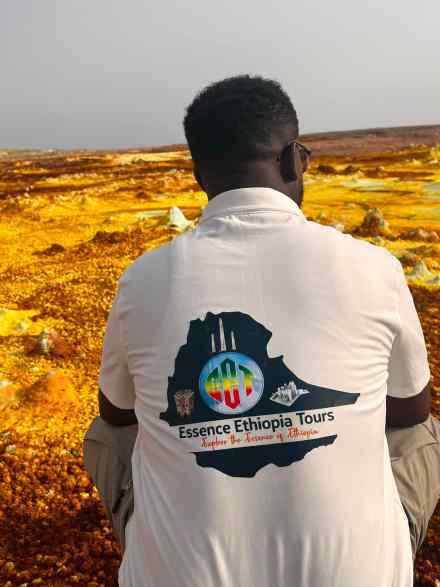
7-Day Omo Valley, Danakil Depression & Addis Ababa

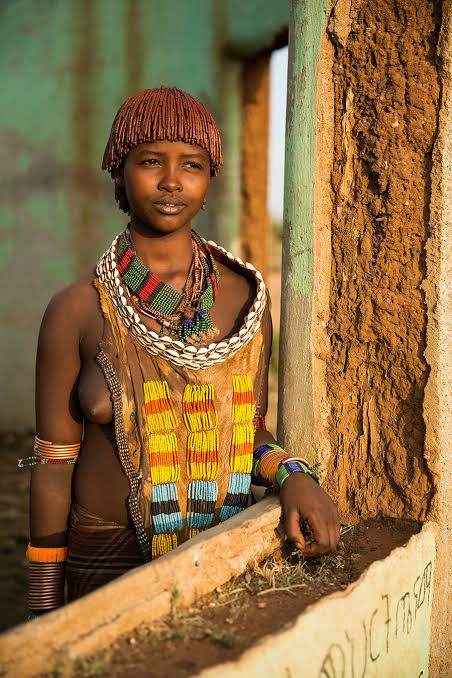
3-Day Omo Valley Tribes Tour
4-Day Omo Valley Tribal Tour from Jinka

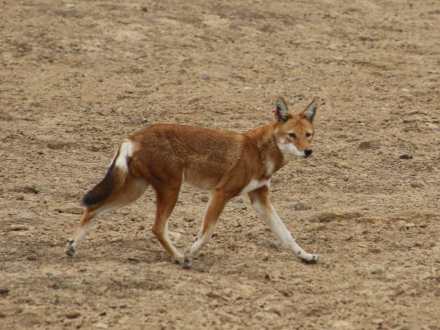
10-Day Bale Mountain National Park and South Omo Valley Tribes Tour Package

9 Days Ethiopian Adventure Tours

15-Day Embark on an extraordinary adventure through the diverse landscapes and captivating cultures
12 Days North and South Ethiopia Tour

— All loaded —
Ethiopia |Operators
View All Operators





Omo Valley |Attractions
View on Map— All loaded —
Omo Valley |Reviews

The Omo River in southern Ethiopia is the largest Ethiopian river outside the Nile Basin Its course is entirely contained within the boundaries of Ethiopia, and it empties into Lake Turkana on the border with Kenya The river is the principal stream of an endorheic drainage basin, the Turkana Basin. The river basin is famous for its large number of early hominid fossils and archaeological findings such as early stone tools, leading to its inclusion on the UNESCO World Heritage List in 1980.

Magnificent view!!

One of the largest ethiopian river in flows to the south over 700km to the north end of lake Turkana. Some of the ethnic grups are living along side the omo river & depend it for livelihood.

Omo River a place where different tribal groups inhabited with there different cultures, way of life, and language

Omo river is the one of the biggest river in Omo valley Ethiopia and also the one karo tribe are living they are depends to the Omo river.
— All reviews loaded —