Compare Top Local Operators
100% Free

Planning a trip to Tanzania?

Share your travel plans and get free itineraries and quotes from multiple trusted local operators.

Itineraries tailored to your travel plans Compare quotes from multiple local operators Connect directly with trusted local operators
Get Free Quotes

10k+ travelers have submitted inquiries

Tanzania - Travel Guide

4.9

Must-see attractions, popular activities, and featured local operators

East Africa

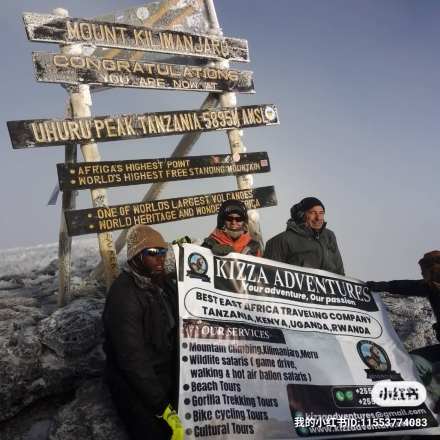
Tanzania, a country in East Africa, is a treasure trove of natural wonders and cultural richness, offering an unparalleled tapestry of travel experiences. It is home to the iconic Mount Kilimanjaro, Africa's highest peak, providing adventurers with the ultimate climbing challenge amidst breathtaking landscapes. The vast Serengeti National Park, synonymous with the annual Great Migration, showcases an awe-inspiring spectacle of wildlife, making it a must-visit for safari enthusiasts. The enchanting spice islands of Zanzibar beckon with white sandy beaches, turquoise waters, and a fascinating blend of Swahili, Arab, Persian, Indian, and European heritage, evident in its architecture and cuisine. Tanzania's cultural diversity is further highlighted by its numerous tribes, including the Maasai, known for their vibrant traditions, pastoral lifestyle, and distinctive attire. From the depths of the Ngorongoro Crater, teeming with wildlife, to the tranquil shores of Lake Tanganyika, Tanzania promises an array of unique travel experiences, captivating the hearts of nature lovers, culture enthusiasts, and adventure seekers alike.
Attractions

Language

Tanzania is a linguistically diverse country, with Swahili (Kiswahili) serving as the national language and a unifying linguistic thread among its citizens. Swahili is widely spoken across the country and is also used in educational and administrative settings, making it an essential part of Tanzanian identity and culture. English is also an official language in Tanzania, primarily used in higher education, judiciary, and business, making it relatively well-accepted and spoken, especially in urban areas and among the educated population.

Best Time to Visit

The best time to visit Tanzania largely depends on the experience you're seeking. For wildlife enthusiasts aiming to witness the Great Migration, the dry season from late June to October is ideal, with July to September being the peak months for observing this natural spectacle in the Serengeti. If you're looking to explore Tanzania's stunning beaches or the islands of Zanzibar, the dry and warm months of June to October or the hot and dry period from December to February provide perfect conditions. For climbers, the best months to summit Mount Kilimanjaro are January to March and June to October, offering clearer skies and more favorable weather conditions. Remember, the dry season also coincides with higher tourist volumes, so planning in advance is key to securing the best accommodations and experiences.

Month
Weather Overview
January
Marking the peak of the short dry season, January experiences warm temperatures averaging between 20°C to 30°C (68°F to 86°F) across most of the country, with minimal rainfall and moderate humidity. This makes for comfortable safari and beach conditions.
February
February is hot and dry, with similar temperatures to January, occasionally reaching up to 32°C (90°F) in some areas. Rainfall is scarce, and humidity levels are relatively low, offering clear skies for wildlife viewing and beach activities.
March
The onset of the long rains, March sees temperatures slightly cooling to an average of 18°C to 29°C (64°F to 84°F), with increased precipitation, especially in the latter half, and rising humidity. This can affect safari trails but brings lush scenery.
April
April is the wettest month, with heavy rainfall across the country, cooling temperatures to around 17°C to 28°C (63°F to 82°F), and high humidity. Outdoor activities might be challenging, but the landscape is vibrantly green.
May
Continuing the rainy season, May sees gradual decrease in rainfall with temperatures stabilizing between 17°C to 27°C (63°F to 81°F). Humidity remains high, but the end of the month may offer better conditions for travel.
June
June marks the start of the long dry season, with temperatures ranging from 16°C to 26°C (61°F to 79°F), minimal rainfall, and lower humidity, making it ideal for safaris and outdoor adventures.
July
Cool and dry, July sees temperatures averaging 15°C to 25°C (59°F to 77°F), very little rainfall, and reduced humidity. This creates excellent conditions for observing wildlife and climbing Kilimanjaro.
August
Similar to July, August maintains cool and dry weather, with temperatures slightly increasing to 16°C to 27°C (61°F to 81°F). The low humidity and scarce rainfall continue to favor all outdoor activities.
September
Dry weather persists in September, with a slight rise in temperatures (17°C to 28°C or 63°F to 82°F) and low humidity, ensuring prime conditions for wildlife viewing and beach visits.
October
October remains warm and dry, with temperatures further increasing to 18°C to 29°C (64°F to 84°F) and occasional short rains late in the month. Humidity begins to rise, but overall conditions are still favorable for travel.
November
The short rains arrive, bringing intermittent showers, especially in the afternoons, with temperatures ranging from 18°C to 28°C (64°F to 82°F) and increasing humidity. Wildlife is still abundant, and the landscape becomes greener.
December
Closing the year, December experiences a mix of short rains in the early part and drier conditions towards the end, with warm temperatures (19°C to 30°C or 66°F to 86°F) and moderate humidity, making it a popular time for holiday travelers.

Festivals

Month:2
Festival:Sauti za Busara

Held in Stone Town, Zanzibar, this is one of Africa's top music festivals. It celebrates African music with artists from across the continent and the African diaspora, offering a mix of live music, cultural dances, and workshops. Visitors can immerse themselves in the rhythms of Africa, from traditional taarab to contemporary Afro-pop.

Month:7
Festival:Zanzibar International Film Festival

ZIFF is East Africa's largest film, music, and arts festival, held in Stone Town, Zanzibar. It showcases a selection of African and international cinema, focusing on films that promote social change. Attendees can enjoy film screenings, workshops, concerts, and art exhibitions, providing a glimpse into the cultural melting pot of Zanzibar.

Month:7
Festival:Mwaka Kogwa

Celebrated mainly in Makunduchi, Zanzibar, this festival marks the Persian New Year. It features mock fights with banana stalks, symbolizing the settling of old disputes and the burning of the hut to bid farewell to the past year. Visitors can witness traditional rituals, music, and dancing, reflecting Zanzibar's diverse cultural influences.

Cuisine

Ugali

Ugali

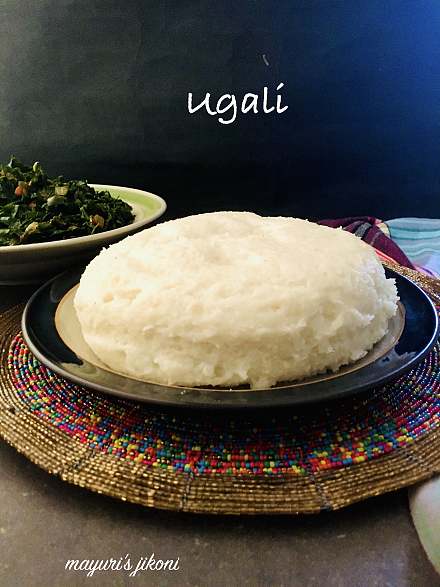
Ugali is a staple food in Tanzania, made from maize flour mixed with water to form a stiff, dough-like consistency. It's cooked in boiling water until it reaches the desired thickness and is often served as an accompaniment to meat, fish, vegetables, or any sauce-based dish. Ugali is deeply ingrained in Tanzanian culture, symbolizing sustenance and communal living, as it's commonly shared from a single large dish, emphasizing unity and family values.

Nyama Choma

Nyama Choma

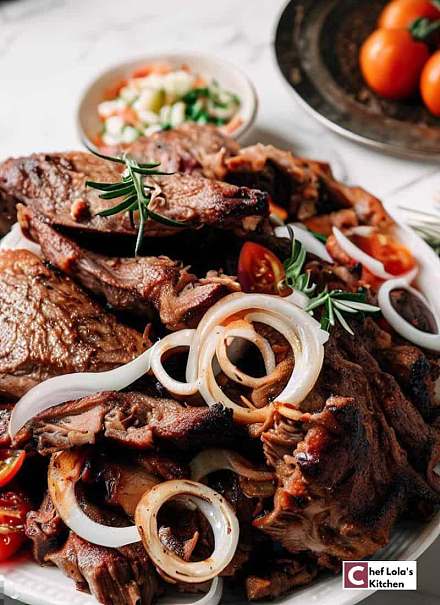
A popular Tanzanian barbecue delicacy. Typically made with goat, beef, or chicken, the meat is marinated with a blend of spices before being grilled over an open flame until tender. It's usually served with sides like ugali, rice, or plantains. Nyama Choma is not just food; it's a social event, often enjoyed at gatherings, making it an integral part of Tanzanian culture and community bonding.

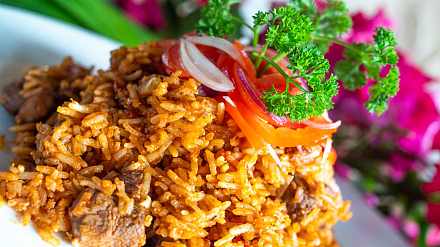
Pilau

Pilau

Pilau is a fragrant rice dish that showcases the coastal influence on Tanzanian cuisine, with its origins in the Indian subcontinent. It's made by cooking rice with a medley of spices such as cumin, cardamom, cloves, and cinnamon, often adding meat, vegetables, or both. Pilau is a celebration dish in Tanzania, commonly served at weddings, festivals, and family gatherings, symbolizing hospitality and festivity.

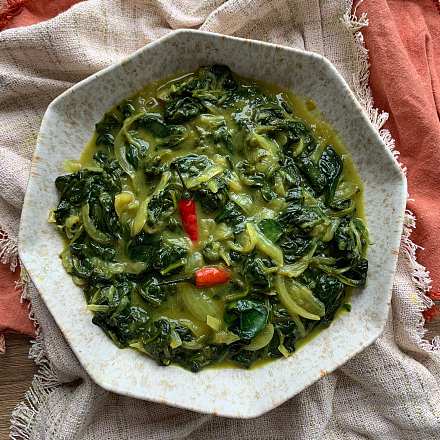
Mchicha

Mchicha

Mchicha is a traditional Tanzanian vegetable dish made primarily from amaranth leaves, though it can also include spinach or other greens. It's cooked with tomatoes, onions, and sometimes peanut butter, creating a rich, flavorful stew. Mchicha is valued for its nutritional benefits, being rich in vitamins and minerals. It represents the importance of vegetables in the Tanzanian diet and is a testament to the country's agricultural diversity.

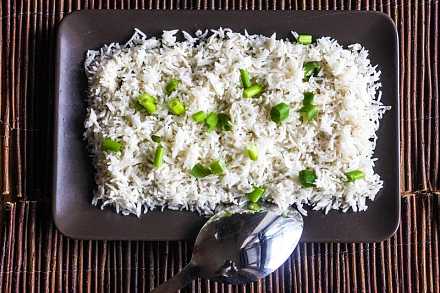
Wali wa Nazi

Wali wa Nazi

Wali wa Nazi is coconut rice, a beloved dish along the Swahili coast, where coconut palms are abundant. The rice is cooked in coconut milk, which imparts a creamy texture and rich flavor, often accompanied by spices like cardamom and cloves. It's typically served with fish, seafood, or curry. Wali wa Nazi embodies the coastal cultural identity, reflecting the blend of indigenous and Arab influences in Tanzanian cuisine.

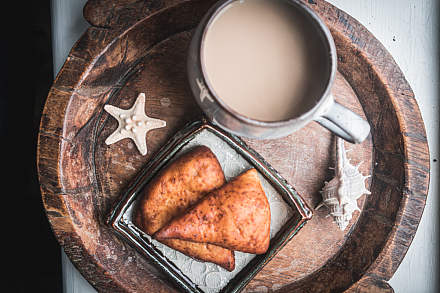
Chai

Chai

Chai is more than just tea; it's a daily ritual and a sign of hospitality. Made with black tea, spices (such as cinnamon, cardamom, and cloves), milk, and sugar, it's a warm, comforting drink enjoyed throughout the day. Chai gatherings are a cornerstone of Tanzanian social life, symbolizing friendship and community.

Mbege

Mbege

A traditional alcoholic beverage of the Chagga people from the Kilimanjaro region, mbege is made from fermented bananas and millet or sorghum. It has a unique, slightly tangy taste and is consumed during social and ceremonial occasions, highlighting the agricultural practices and communal culture of the Chagga community.

Packing

When visiting Tanzania, essential items include lightweight, breathable clothing for the hot days and a sturdy pair of walking shoes or boots for safaris and hikes. Don't forget a warm jacket or fleece for cooler evenings, especially if visiting higher altitudes like Kilimanjaro. Sun protection is crucial, so pack sunglasses, a wide-brimmed hat, and high SPF sunscreen. For wildlife viewing and safaris, bring binoculars and a dust-proof bag to protect your camera equipment. Given the possibility of rain, depending on the season, a waterproof jacket and a dry bag for electronics are advisable. Also, pack insect repellent and a basic first-aid kit for outdoor adventures. Lastly, consider culturally appropriate clothing for visits to local villages and towns, such as covering shoulders and knees.

Currency

Tanzania's official currency is the Tanzanian Shilling (TZS). Major cities have ATMs accepting international cards, but these are scarce in rural areas, so it's wise to withdraw cash in urban centers. Credit cards, mainly Visa and Mastercard, are accepted at larger hotels and restaurants in tourist areas, but cash is preferred across the country. It's advisable to carry enough cash, especially when venturing outside major cities.

Transport

Tanzania's transportation network facilitates exploration for travelers, with major gateways being Julius Nyerere International Airport in Dar es Salaam, Kilimanjaro International Airport near Arusha, and Abeid Amani Karume International Airport in Zanzibar, serving international visitors. In-country, domestic flights connect major cities and tourist destinations, operated by airlines like Precision Air and Coastal Aviation. For land travel, Tanzania offers a network of buses ranging from basic to luxury coaches, with companies like Dar Express and Kilimanjaro Express being popular choices. The rail system, though limited, provides scenic journeys between key locations. For more local or off-the-beaten-path exploration, dalla-dallas (minibuses) and boda-bodas (motorbike taxis) are widely used. When navigating Tanzania's transportation, booking tickets in advance for long-distance travel is advisable, and always confirm the reliability and safety of local transport options.

Emergency

Travelers to Tanzania should be mindful of several cultural taboos to ensure respectful interactions. Public displays of affection are frowned upon, especially between same-sex couples due to conservative views on LGBTQ+ rights. It's considered impolite to use your left hand for eating or greeting, as it's traditionally associated with personal hygiene tasks. Dress modestly, particularly when visiting rural areas or places of worship, to show respect for local customs. Pointing at people with your finger is also considered rude; instead, use a flat hand. As for safety, the emergency number in Tanzania for police assistance is 112.

Power Sockets

In Tanzania, the standard voltage is 230V, and the frequency is 50Hz. Travelers will encounter two main types of power sockets, types D and G. Type D is the three-pin socket that is also commonly found in India, while Type G is the rectangular three-pin socket used in the United Kingdom.

Socket sample 1Socket sample 2

Tours

View all tours

Tour operators

View all operators