Lake Elementaita - Attraction Guide
Lake Elementaita
Planning a trip to Kenya/Lake Elmenteita?
Share your travel plans and get free itineraries and quotes from multiple trusted local operators.
10k+ travelers have submitted inquiries
Lake Elementaita Guide: Hiking, Wildlife, and Birding Facts
Lake Elementaita sits at an elevation of 1,670 meters and covers approximately 18 square kilometers within the Great Rift Valley. It remains significantly shallower than its neighbor Lake Nakuru — often averaging less than one meter in depth — which makes it a hyper-productive ecosystem for blue-green algae. In 2011, this soda lake was inscribed as a UNESCO World Heritage site as part of the Kenya Lake System, serving as the only breeding ground for Great White Pelicans in the entire region. Unlike the heavily commercialized parks nearby, Elementaita offers a quieter, more raw experience that is primarily managed through the 48,000-acre Soysambu Conservancy and the smaller government-run wildlife sanctuary.
Want to visit Lake Elmenteita?
Compare 5 quality local operators, get custom itinerary and exclusive quotes
Wildlife and the Alkaline Ecosystem
The lake’s high alkalinity creates a perfect environment for spirulina, the primary food source for the massive flocks of Lesser and Greater flamingos that frequent the shoreline. While millions of birds move between the three Rift Valley lakes, Elementaita is unique because of its rocky islands in the western sector. These outcrops provide a safe, predator-free zone for over 8,000 breeding pairs of Great White Pelicans. If you bring high-quality binoculars, you can often see the young chicks on the islands, which look like distant grey blobs against the white adults — a sight that most day-trippers miss because they stay only on the eastern accessible shores.
Beyond the water, the surrounding acacia woodlands and plains host a surprising variety of mammals. The Soysambu Conservancy side is particularly vital for the protection of the endangered Rothschild’s giraffe, which was introduced here to bolster dwindling national populations. You will likely spot elands, buffaloes, and colobus monkeys in the fever trees, though the lions and leopards that inhabit the conservancy are notoriously elusive. Most visitors are surprised to find that because the area isn't a high-density national park, the wildlife often appears more relaxed around vehicles compared to the crowds in the Masai Mara.
Hiking the Sleeping Warrior and Ugali Hills
The most distinctive geological feature here is the Sleeping Warrior hill, which locals claim resembles the profile of a Maasai warrior lying on his back. Starting the hike from the Lake Elementaita main gate is the standard route, but the terrain is more punishing than the elevation gain suggests. The first 8 kilometers follow a dusty shoreline trail where you have to watch your footing; the mud near the water can be deceptively deep and will easily claim a shoe. Most of the path consists of loose volcanic scree and sharp rocks, so proper ankle support is a non-negotiable requirement for this trek.
For those with higher fitness levels, the trek continues from the "nose" of the warrior over to Ugali Hill. This second peak is named after the Kenyan staple maize meal because of its rounded, dome-like shape. The ascent up Ugali Hill is significantly steeper than the Warrior, involving a 19-kilometer round trip if you complete the full horseshoe circuit back to the highway. My personal advice is to start no later than 8:00 AM. The Rift Valley floor traps heat rapidly after midday, and there is almost no shade on the ridge. Carrying at least three liters of water is essential, as the dry wind and soda-dust will dehydrate you much faster than a typical mountain hike.
Logistics and Practical Visiting Tips
Reaching the lake from Nairobi involves a 120-kilometer drive along the A104 highway, which usually takes about two and a half hours depending on the notorious traffic at Limuru. The best access point for birdwatching is the Pelican Gate, located conveniently near the highway. If you are looking for a more cultural stop, head to the southern end near Kikopey. This area is famous for its natural hot springs and the "nyama choma" (roasted meat) stalls that line the road. While the hot springs themselves are relatively small, they serve as the primary breeding grounds for the Tilapia grahami fish, which have uniquely adapted to the high temperatures and alkaline levels.
Entry fees for the Lake Elementaita Wildlife Sanctuary are currently set at 50 USD for international adults and 500 KSH for Kenyan citizens, though these must be paid via the eCitizen portal. If you are entering the Soysambu Conservancy side, expect to pay a separate conservation fee which helps fund the private ranger units. For a historical detour, the Kariandusi Prehistoric Site is less than five minutes from the lake. It contains Acheulean stone tools dating back roughly 700,000 years, providing a stark reminder that humans have been using this specific rift landscape for nearly a million years.
Want to visit Lake Elmenteita?
Compare 5 quality local operators, get custom itinerary and exclusive quotes
Frequently Asked Questions
What is the best month to see flamingos at Lake Elementaita?
While birds are present year-round, the highest concentrations usually appear during the dry months from July to October and again in January and February. During heavy rains in April and May, the lake's salinity decreases, which can cause the flamingos to temporarily migrate to Lake Bogoria or Nakuru in search of better feeding grounds.
Are there entrance fees for the lake and the conservancy?
Yes, the government-managed sanctuary costs 50 USD for international adults, while the private Soysambu Conservancy typically charges between 40 and 60 USD depending on the specific gate and activities. Always ensure you have a digital payment method ready, as cash is rarely accepted at the main entry points.
Is it safe to swim in the Kikopey hot springs?
Most visitors only soak their feet or use the springs for a quick dip, as the water is shallow and the surrounding mud is quite thick. It is important to remember that these are natural, undeveloped springs rather than a commercial spa, so don't expect changing rooms or high-end facilities at the water's edge.
How difficult is the Sleeping Warrior hike for beginners?
The hike is rated as moderate to difficult due to the loose volcanic soil and the intense heat of the Great Rift Valley. While a beginner with good fitness can reach the first summit in about 2 hours, the full 19-kilometer circuit to Ugali Hill requires significant endurance and is better suited for experienced trekkers.
Can I see the Big Five at Lake Elementaita?
You will not find the full Big Five here because there are no elephants or rhinos within the immediate Elementaita or Soysambu area. However, buffalo are common, and you have a legitimate chance of spotting leopards or lions if you go on a guided night game drive through the conservancy.
Lake Elmenteita |Tours
View All Tours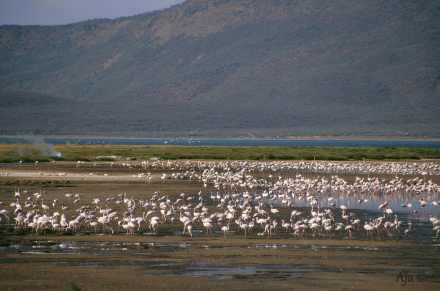
6 Days / 5 Nights – Kenya's Rift Valley Soda Lakes & Maasai Mara Camping Safari

11-Day Serengeti, Maasai Mara, Tarangire, Amboseli Park

14 Days of African Elegance: Safari, Culture & Zanzibar Shores
— All loaded —
Kenya |Operators
View All Operators






Kenya |Attractions
View on MapLake Elmenteita |Reviews

Beatiful scenery. Will get to see pelicans and greater Flamingos. I appreciate the conservation efforts. Love it

Beautiful place. Had an easier time when the beach was under the community's watch. Since KWS took over recently, it is no longer a desirable destination. They are always asking for "lunch" and if you don't, they get rude. Cars can no longer access the beach. I have been going there for the past 4 years, but I am now looking for an alternative.

Beautiful!! Nice place for picnic.. entry fee was 200ksh. The entry is on a rough road and not good for small cars. Drive right next to the lake. There is not toobmany flamingo, but nice place to relax.

The scenery is breathtaking. Sweet morning Sun. Fresh air and immense calmness. Two flamingo types; pink and white. Not sure of there scientific difference.

Paradise for birders ...and gives you the real picture of volcanic features as you watch the sleeping worrier hill. Its even more enjoyable when you spend a night at kikopy beach camp in a cabin giving you a front view of the lake
— All reviews loaded —